
You are not the minority on this trip. What most older travellers to New Zealand do not get is an itinerary built around how they actually want to spend a day — the coach leaves at eight whether or not that suits you. That is the whole of our job here: the same country, at a pace that leaves you with something in reserve at six in the evening. Our designers set the rhythm of the trip before they choose a single hotel, because the rhythm is what you will remember.
Designed With You in Mind
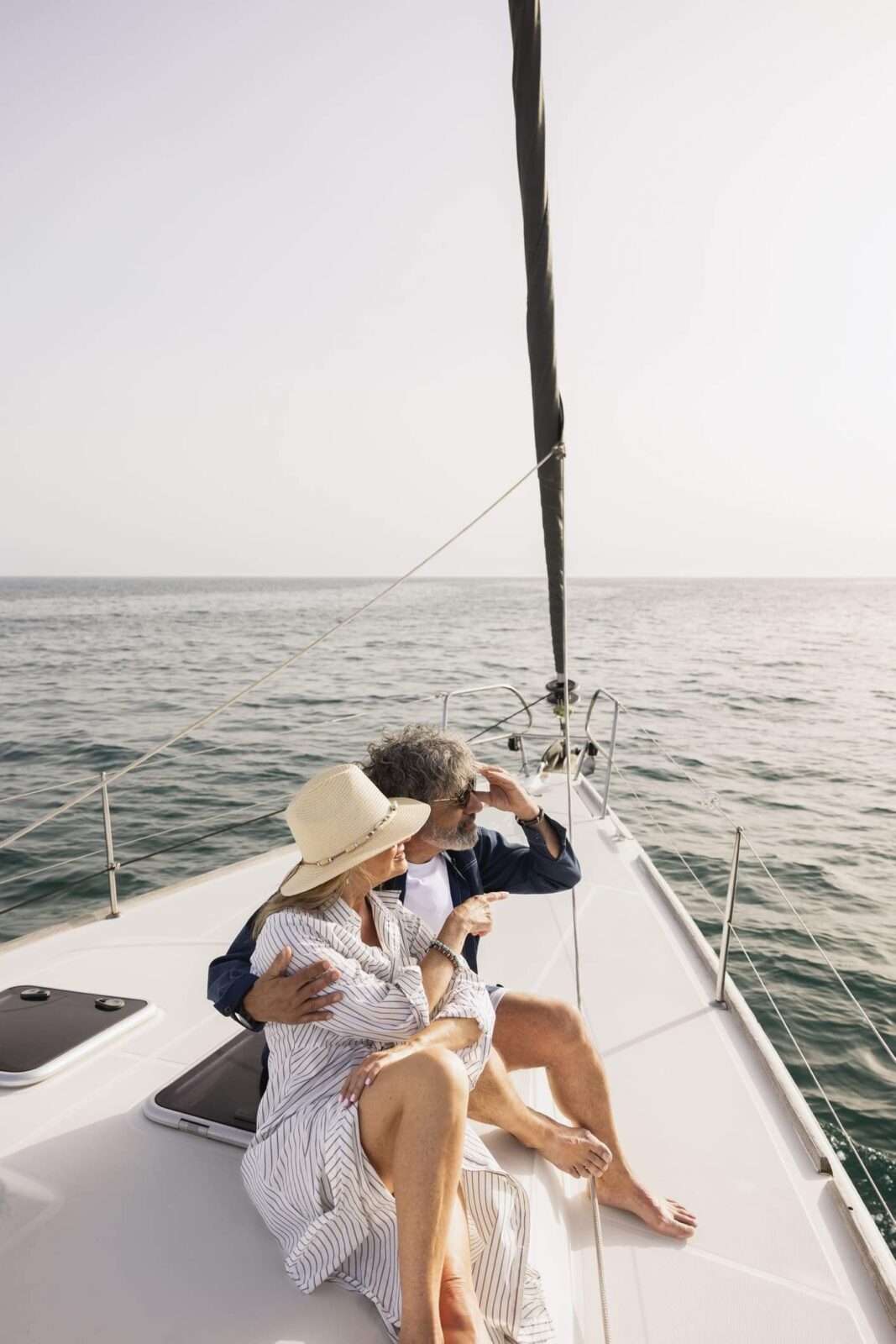
- Who it suits: travellers aged 55 and over, whether that is a first visit, a return trip, or the one you promised yourselves after retiring
- Where we take you: Milford Sound and Fiordland, Marlborough, Aoraki/Mount Cook, Rotorua, Central Otago and the Bay of Islands
- When to go: March to May and October to November, when the light is long, the roads are quiet and the wine regions are at their best
- What we change: private guide-drivers, three-night bases, short driving days, and a comfortable alternative behind every experience
- How far ahead to plan: nine to twelve months, and further out if Fiordland or a small alpine lodge is central to the trip
Unparalleled Access to New Zealand’s Top Destinations for Seniors
New Zealand is small enough that slowing down costs you almost nothing — which is exactly why so many visitors ruin it by hurrying. Four of these six, three nights each, is a better trip than all six in a fortnight.
Milford Sound and Fiordland
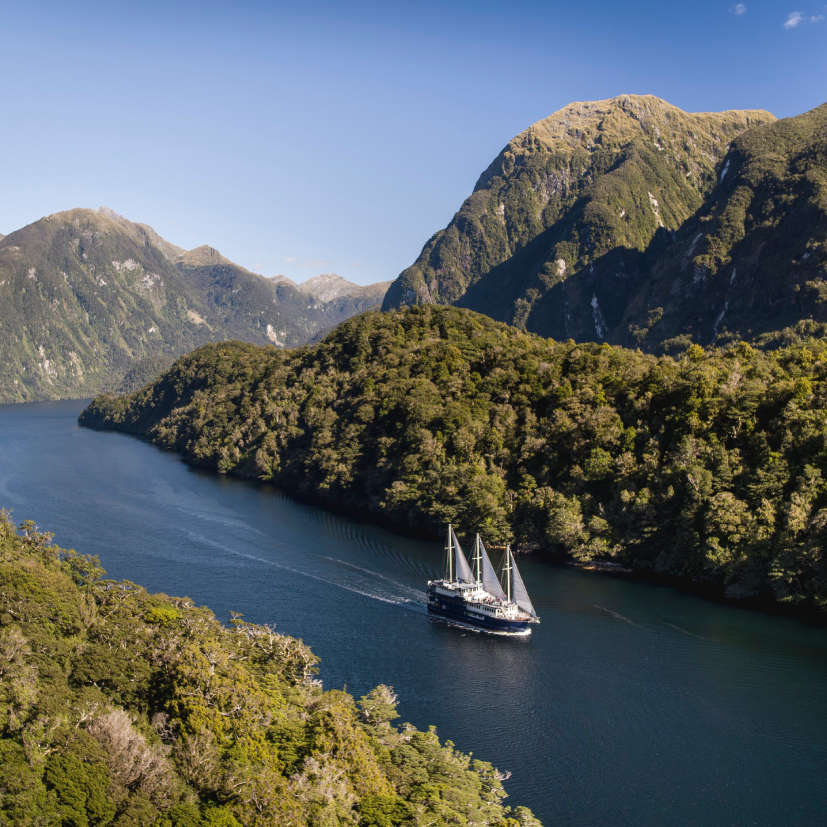
Entirely reachable, and the vessel is the whole decision. Accessibility differs sharply between boats — one operator’s most accessible ship takes mobility scooters on 150-centimetre ramps while another has no ramps at all, and no Milford vessel has a lift between decks. We book the right hull, not the popular one.
Milford Sound and Fiordland
The TranzAlpine
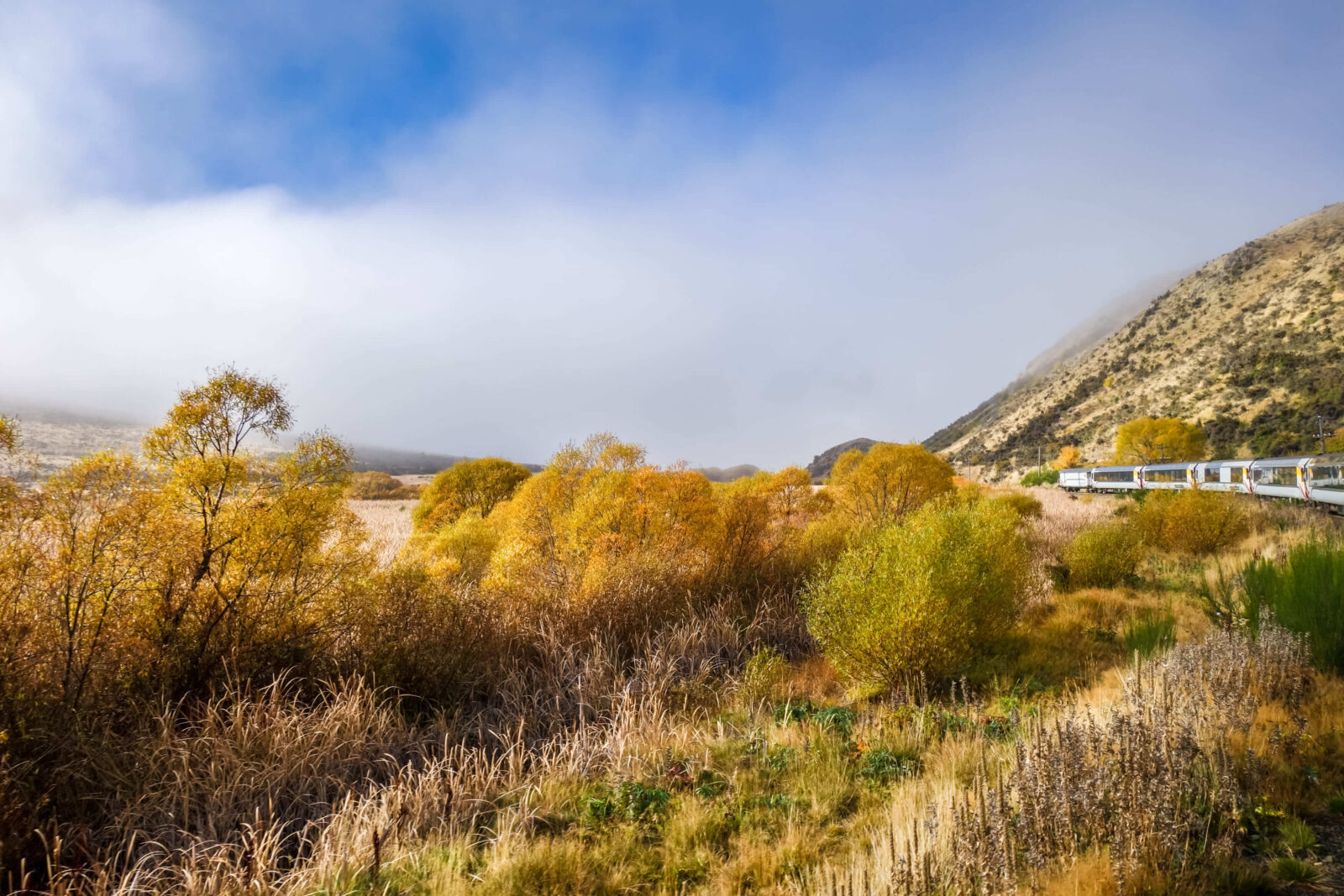
One of the genuinely great train journeys, and a full day with no walking in it. The climb from Kowai to Craigieburn needed fifteen tunnels and four viaducts; the Staircase Viaduct stands 73 metres up. Worth knowing before you book: the standard carriages are wheelchair accessible and the premium dining carriage is not.
The TranzAlpine
Marlborough
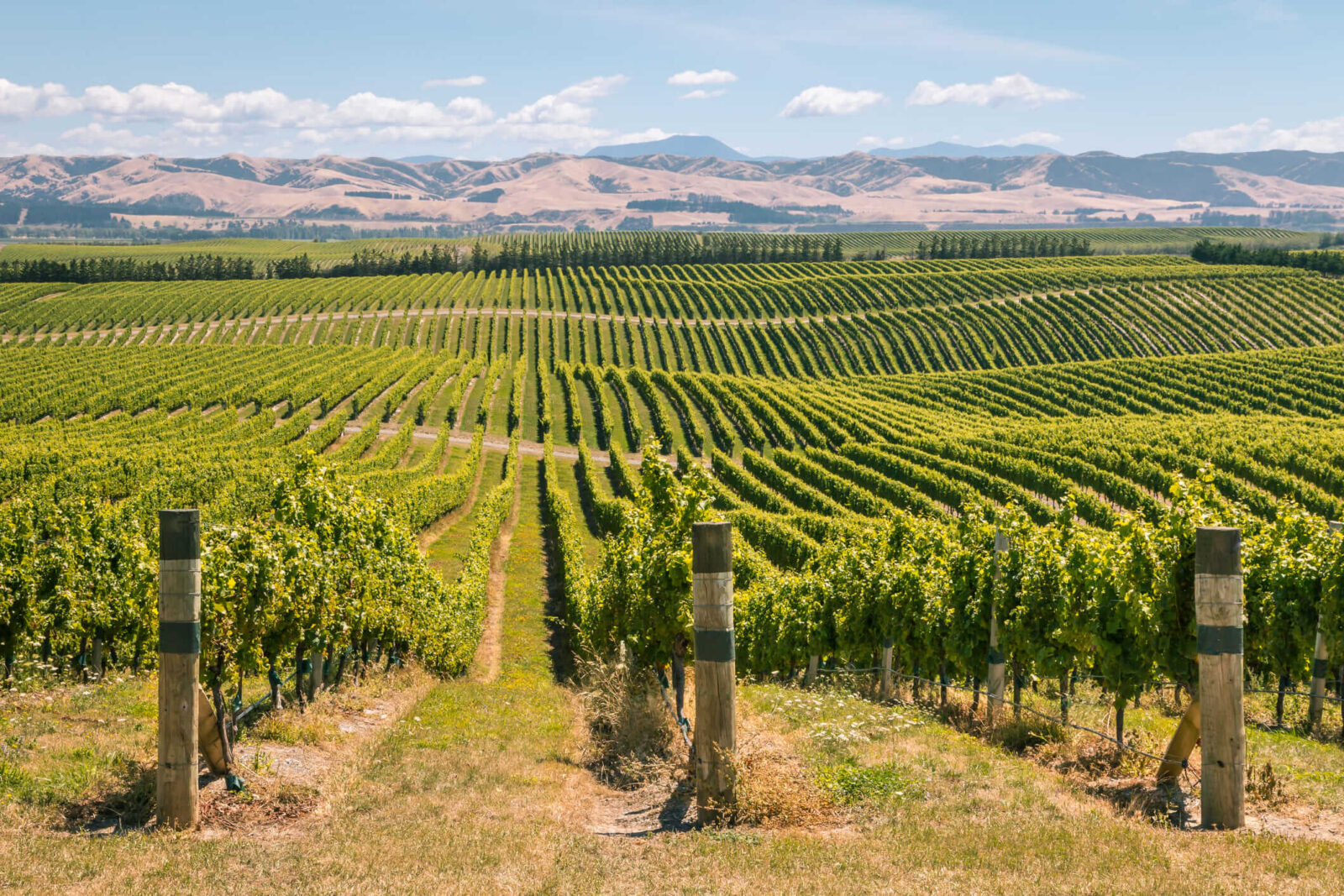
The sunniest town or city in the country by NIWA’s own reckoning — 2,475 sunshine hours on just 650 millimetres of rain. Small cellar doors, the winemaker frequently pouring, and short distances between them. Harvest runs February into March.
Marlborough
Aoraki/Mount Cook
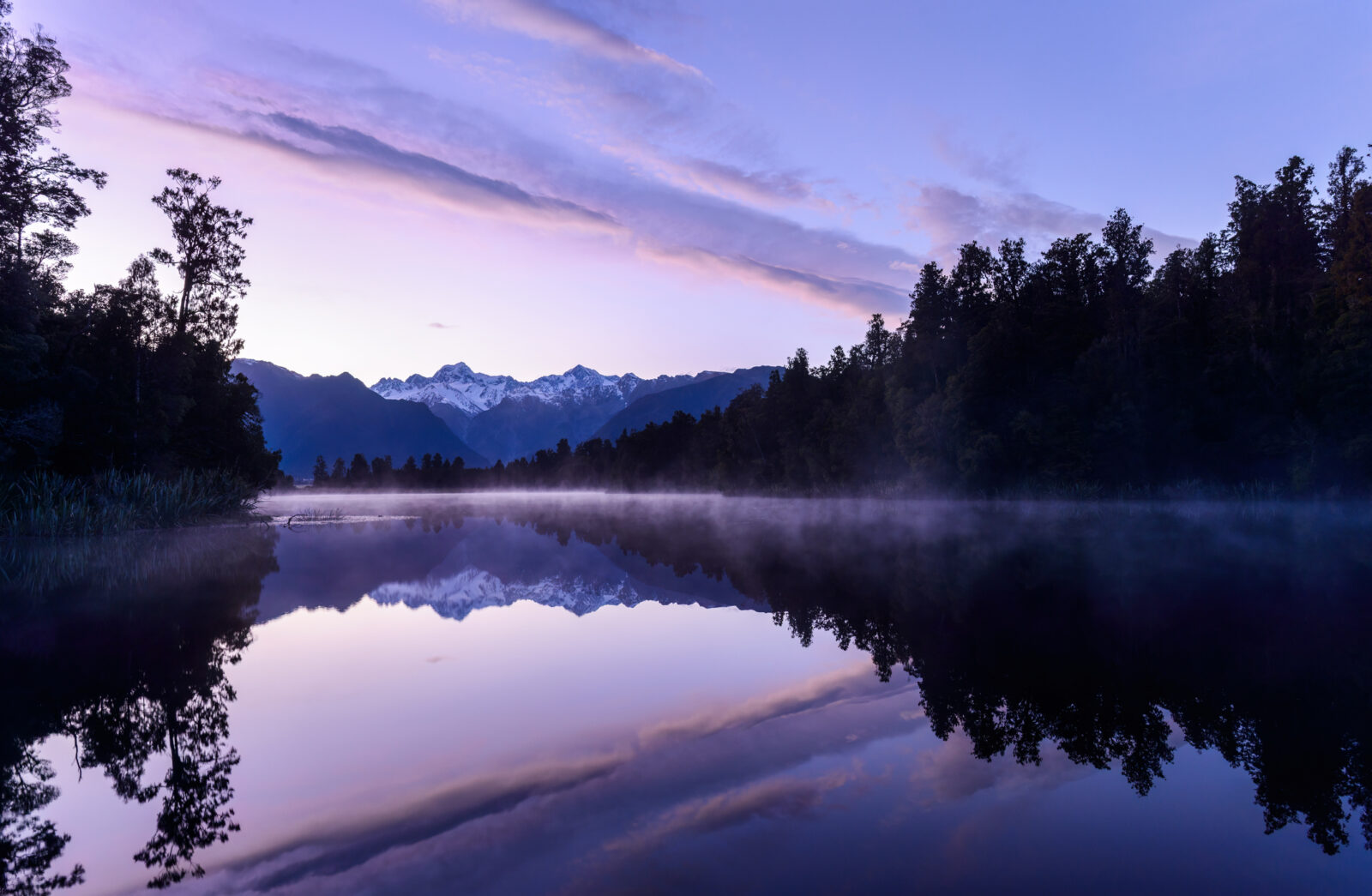
The alpine scenery is there from the lodge terrace, from a boat on a glacier lake, or from a scenic flight. Ski planes give you ten to fifteen minutes on the glacier itself. Be warned that the Hooker Valley track is gravel with steps despite its reputation, and Tasman Glacier View has over 300 of them.
Aoraki/Mount Cook
Rotorua
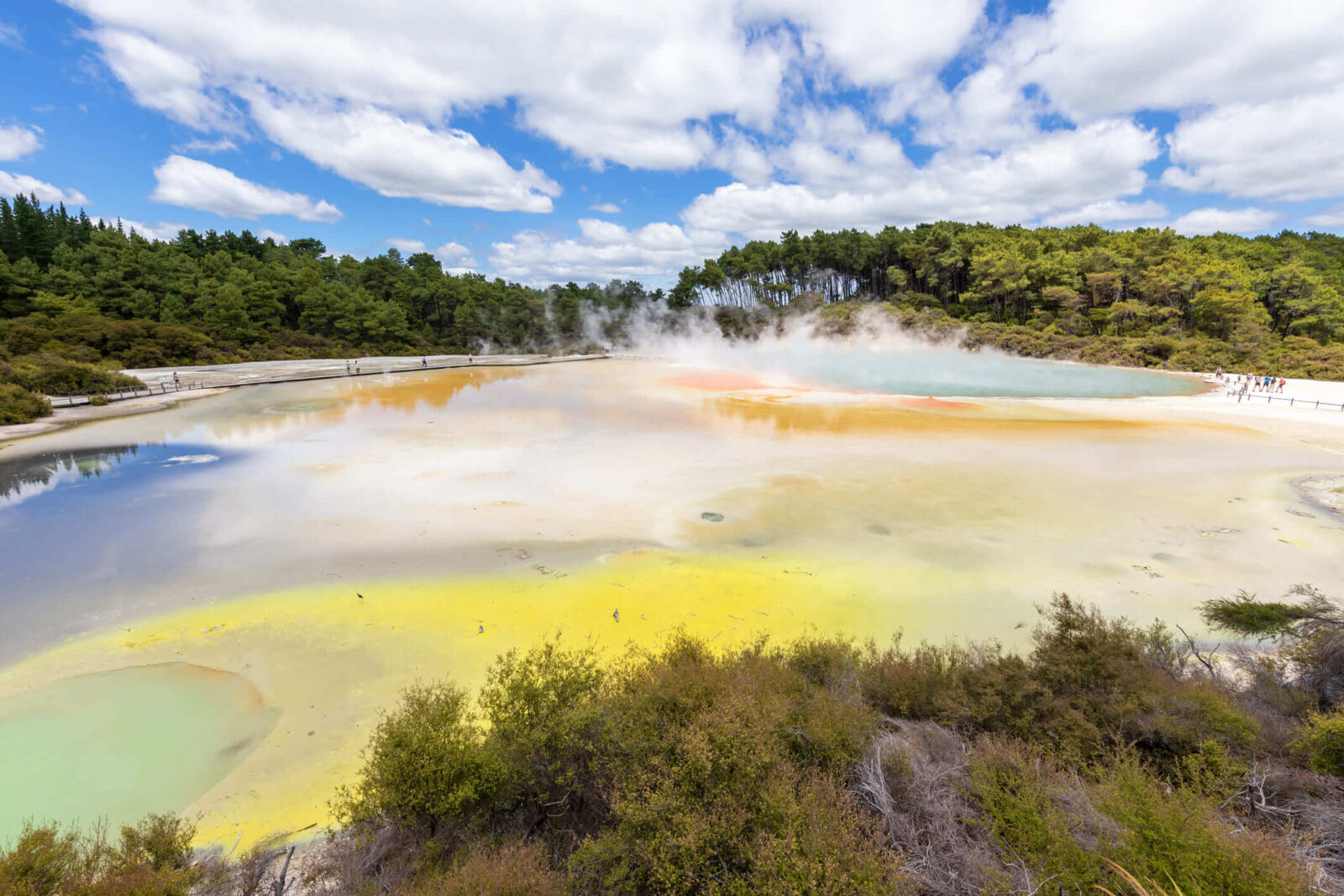
Only one of Rotorua’s geothermal parks is properly wheelchair accessible, and it runs a train back up from the valley. We will put you there rather than at the park with the famous mid-morning geyser, where the ground is uneven and the walk is longer than it looks.
Rotorua
The Bay of Islands
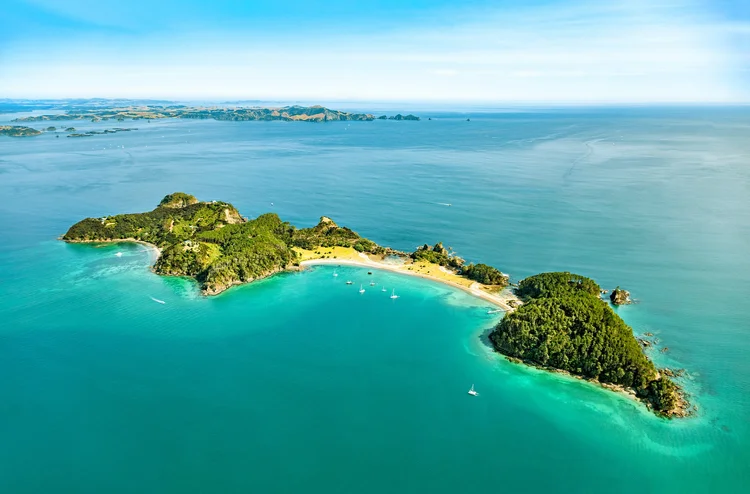
A three-hour drive or a 35-minute flight from Auckland, and the softest landing in the country. Subtropical, sheltered sailing, and the Waitangi treaty grounds. Kerikeri’s driest months are December to March; July is its wettest.
The Bay of Islands
How Journey Earth Works
Your New Zealand, Made Your Way
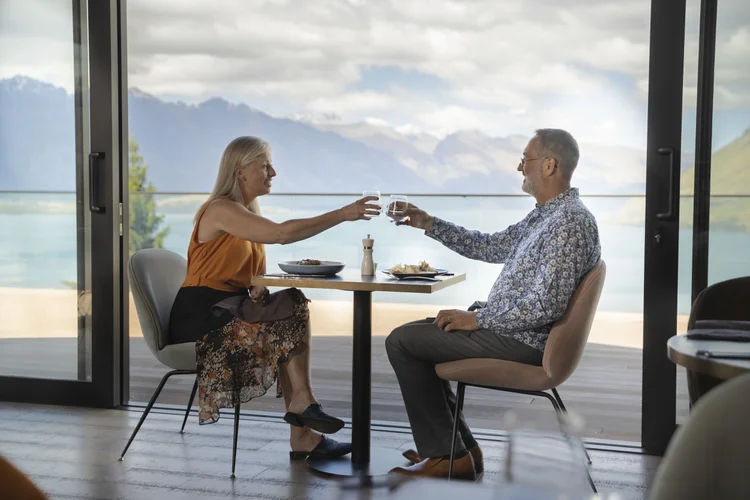
Marlborough, Central Otago and the Wairarapa, arranged so the afternoon has nowhere to be. Central Otago runs six subregions, and Bannockburn is among the warmest and driest — it can harvest a month ahead of Gibbston. We book privately where the vineyard allows it, and a driver waits outside.
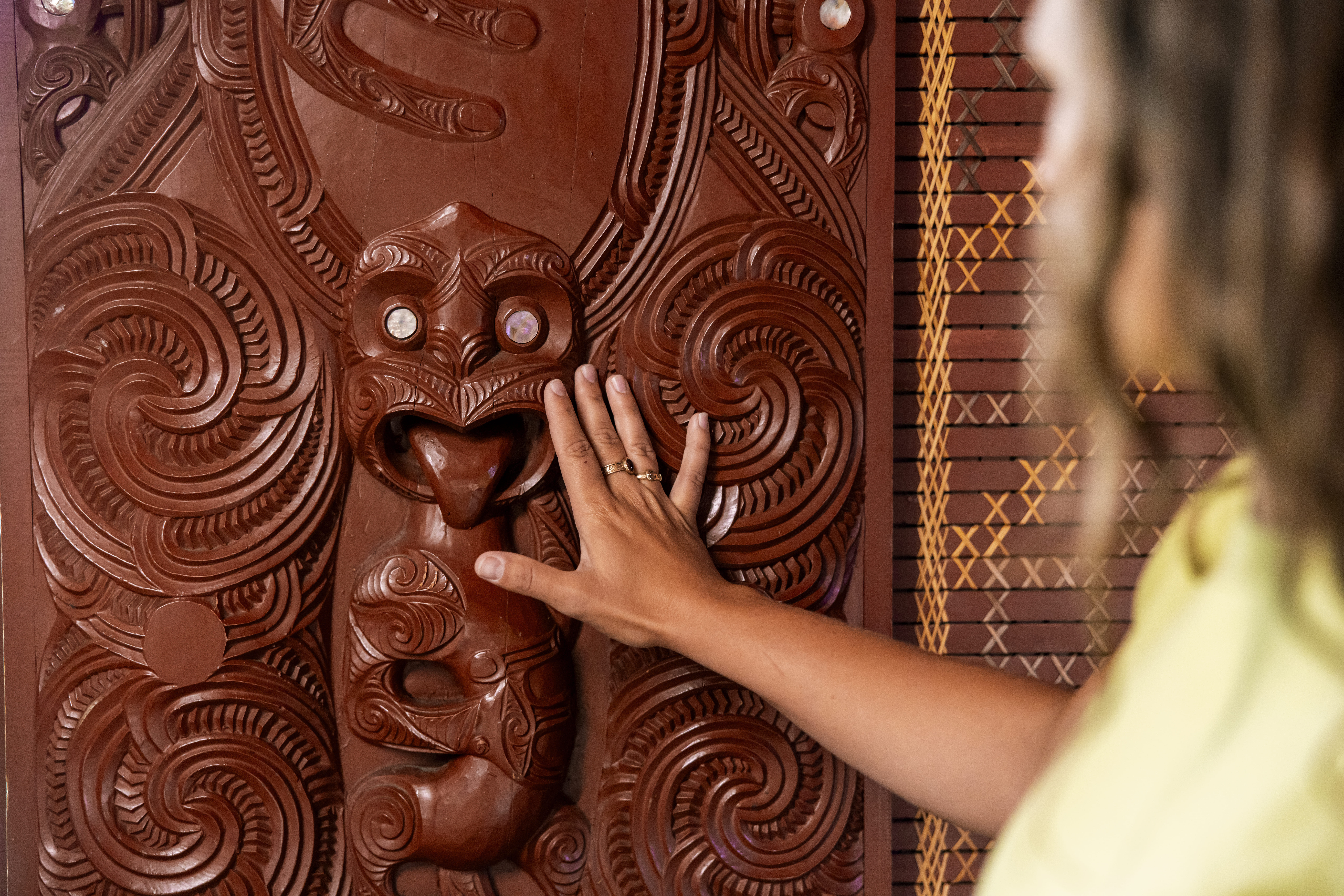
Guided by knowledge holders, on their terms. Pōwhiri welcomes, sacred sites explained by the people who hold the stories, and hāngī meals for your party rather than a hall of strangers. Rotorua holds the richest concentration of it.
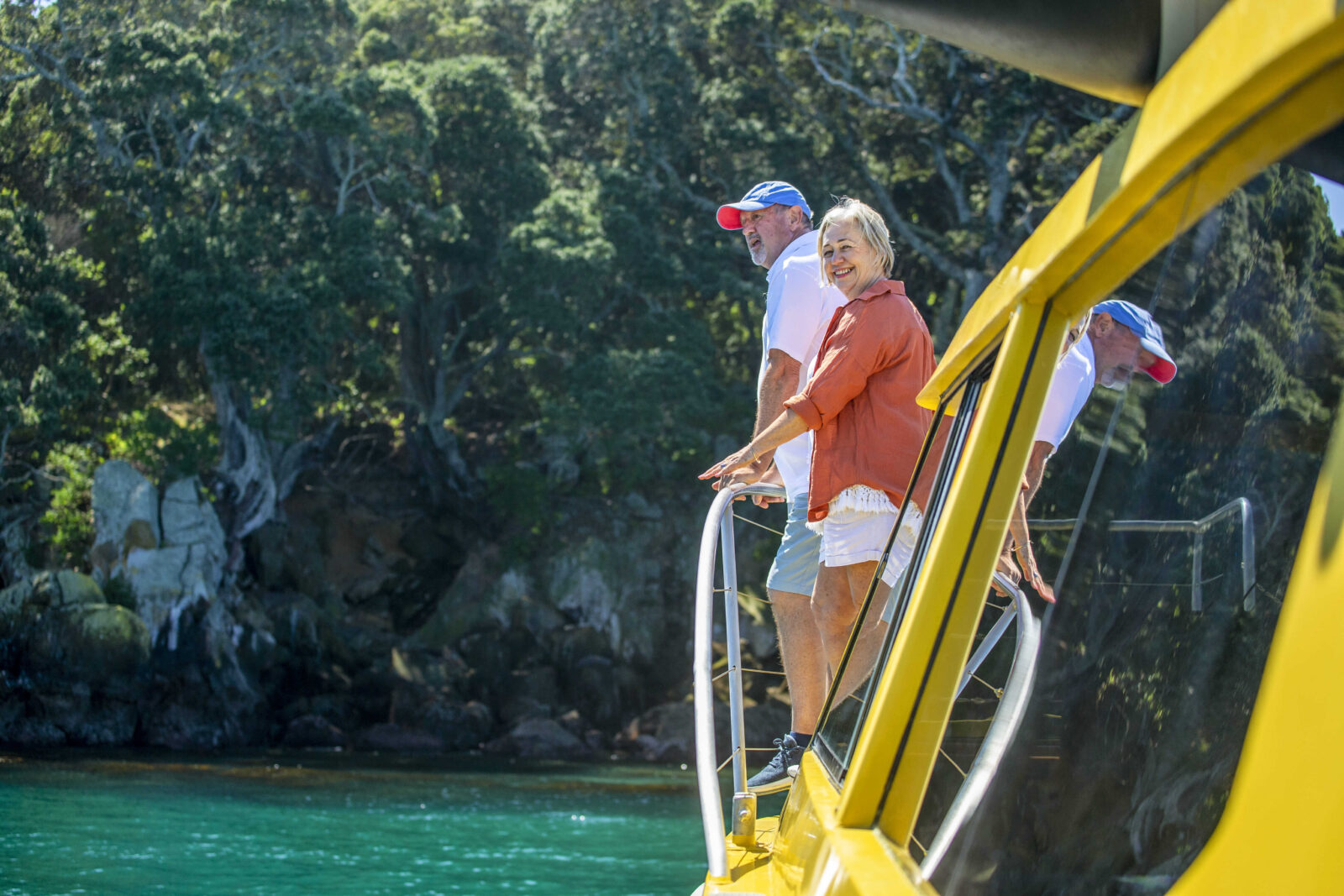
Sheltered water and level ground. The Bay of Islands under sail, the Marlborough Sounds by private vessel, and the Milford Foreshore Walk — thirty minutes, and one of the walks the Department of Conservation lists as wheelchair accessible.
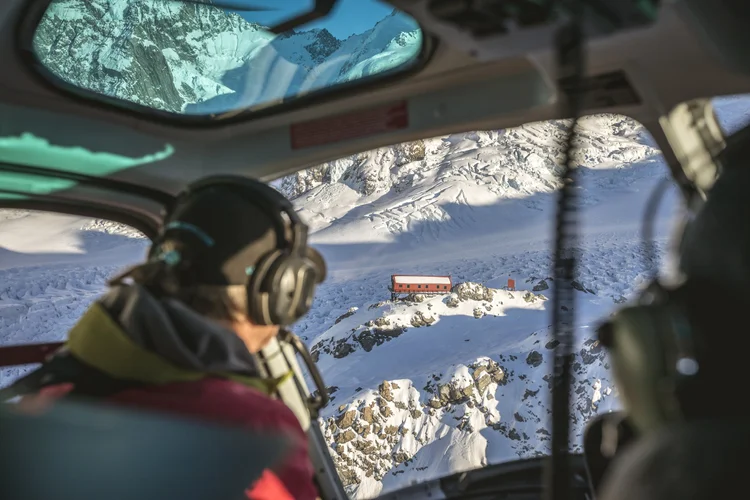
Access without exertion. The glacier operators will let you stay in the aircraft during the snow landing if you tell them in advance — a small detail that puts the ice within reach of travellers who cannot walk on it. Landings run six to eight minutes and there is no minimum age.
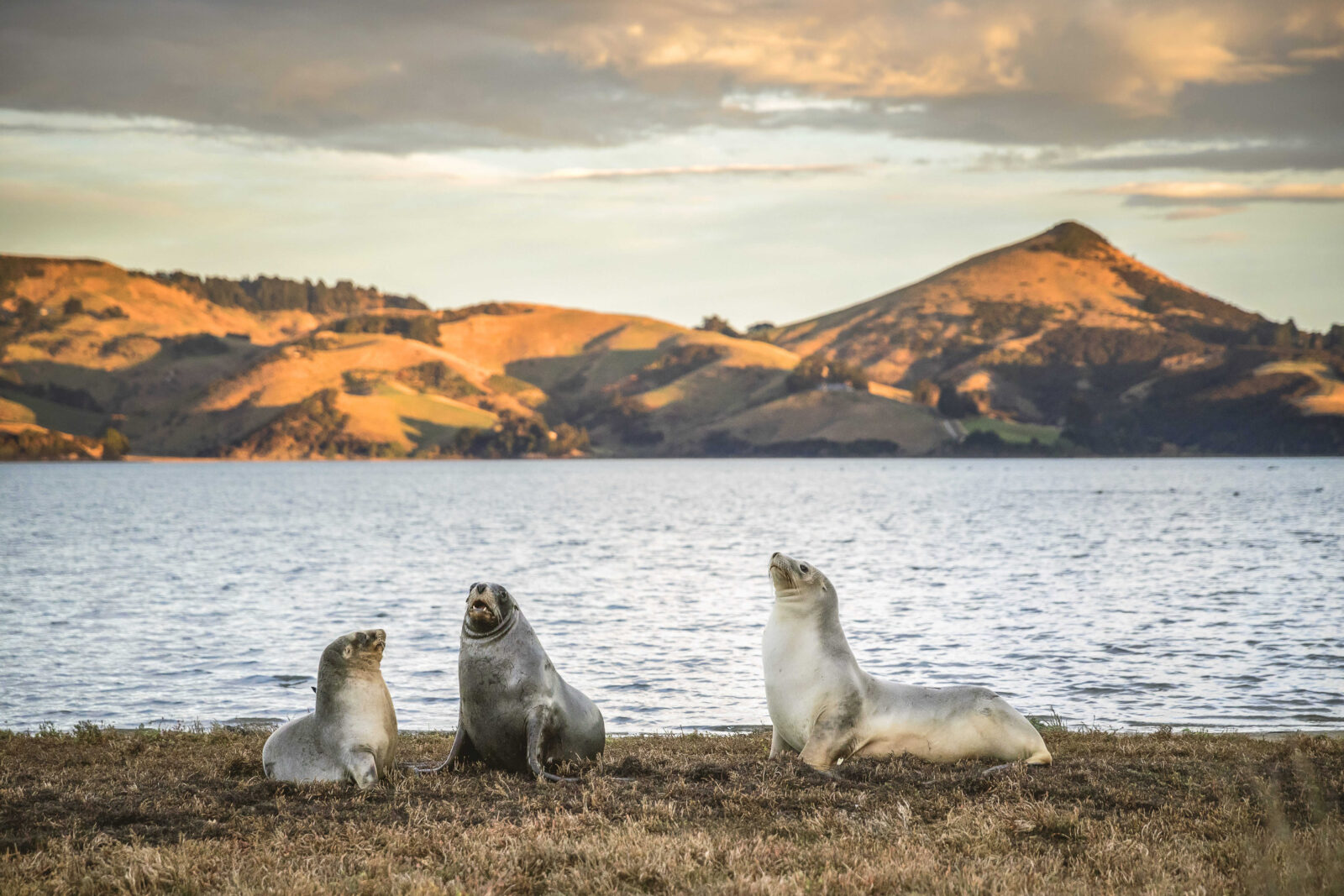
Sperm whales at Kaikōura are present all year, and the Department of Conservation notes there is no other place in the world where the species is routinely found this close to the coast. Further south on the Otago Peninsula near Dunedin, rare New Zealand sea lions regularly haul out on the sandy beaches, offering exceptionally close yet undisturbed viewing opportunities directly from shore.
Learn more about our New Zealand Luxury Experiences & Adventures.
Longer Stays Are What Make New Zealand Worth the Flight
The median international visitor to New Zealand stays ten days and spends NZ$3,100 across the trip, according to MBIE’s International Visitor Survey for the year to March 2026. Ten days is enough for one island. It is not enough for two, and we will say so.
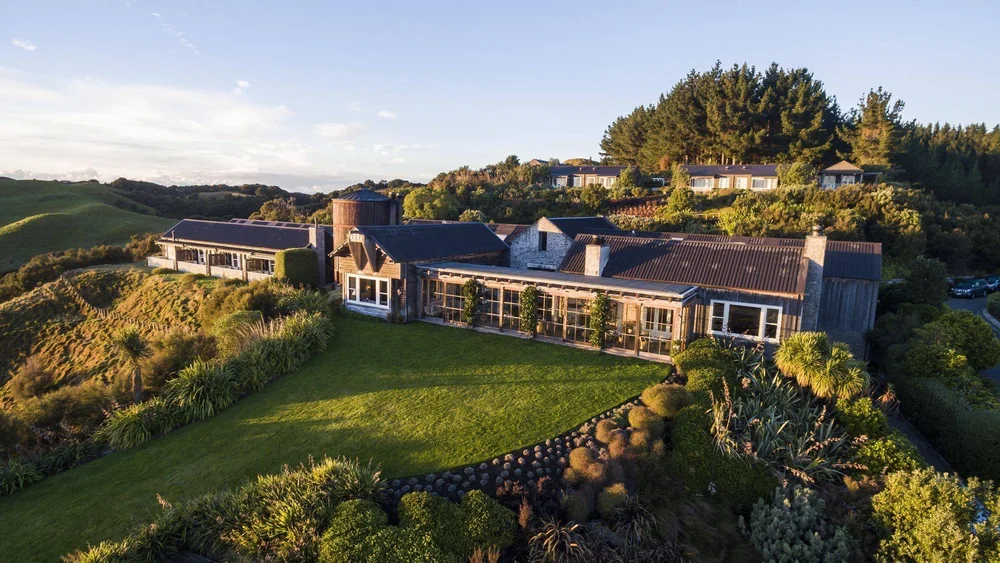
Our honest recommendation for a first visit at an unhurried pace is sixteen to twenty-one nights, or twelve to fourteen for the South Island alone. Where you stay carries much of that weight — we choose on ground-floor access, the walk from room to dining room, and whether the property holds you happily for three nights.
Why Travellers Over 55 Choose Journey Earth

We Check Accessibility Vessel by Vessel, Track by Track
Several New Zealand attractions marketed as accessible are not, and a few genuinely accessible ones are barely advertised. We work from the operators’ own words.
We Plan Pace First
Transfer lengths, base changes and the empty afternoon are settled before a hotel is chosen.
We Will Tell You What to Drop
If a day costs more energy than it returns, you hear it while there is time to change it.
Frequently Asked Questions About New Zealand Tours for Seniors
What is the best time of year for seniors to visit New Zealand?
March to May and October to November. The light is long, the tracks are quiet, and you avoid both the summer crowd and the winter alpine weather. February is glorious but busy. June to August is genuinely cold in the south.
How long should a senior trip to New Zealand be?
Sixteen to twenty-one nights for both islands, or twelve to fourteen for the South Island alone. New Zealand is small enough that the temptation is to cover all of it in ten days. Resist that. The trips people rate highest have fewer stops and more mornings without an alarm.
Are New Zealand tours suitable for limited mobility?
In most cases yes, but the detail varies by operator. Some Milford vessels take mobility scooters and others have no ramps; the scenic trains are accessible in the standard carriages but not in the premium dining carriage. Tell us your actual distances and stairs and we confirm every element in advance.
Is driving in New Zealand difficult for older travellers?
The roads are well maintained but narrow, winding and often single-lane through the mountains, and the driving is on the left. Between May and September the Crown Range requires chains. Most of our travellers over 55 take a guide-driver — you look out of the window instead of at the road.
Do we need to be fit to enjoy New Zealand?
No. The Department of Conservation grades its easiest tracks as suitable for all abilities with no steps or steep sections, and several of the best views sit at the end of one. The fjords, wine regions and scenic trains ask very little, and a helicopter shows you more than most hikes do.