
Australia is not one trip. It is a continent with a five-hour flight between the reef and the rock, and that single fact is what wrecks most family itineraries — too many places, too little floor time, a nine-year-old melting down in a departure lounge at Cairns. We plan it the other way round. Tell us your children’s ages and what genuinely holds their attention, and our Australian travel designers build the route backwards from there. Fewer moves. Longer stays. Guides who know how to talk to a seven-year-old and a fifteen-year-old in the same afternoon.
Designed With You in Mind
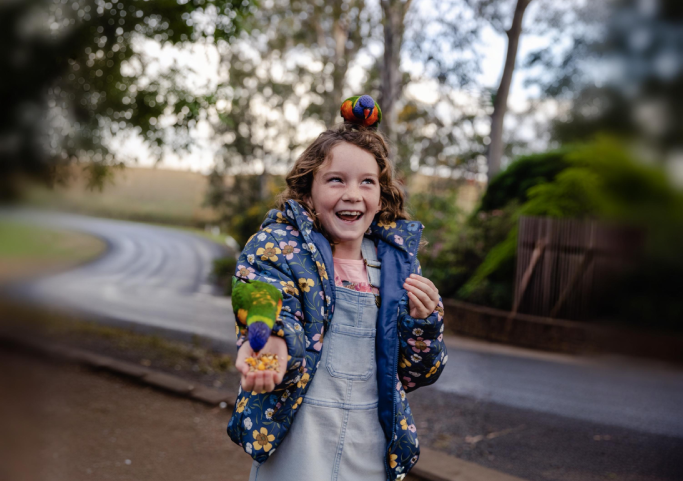
- Who it suits: families travelling with toddlers through teenagers, and multi-generational groups with grandparents joining for part of the route
- Where we take families: the Great Barrier Reef out of Cairns, Kangaroo Island, the Red Centre, Sydney Harbour and Rottnest Island
- When to go: August through October, when the tropical north is dry, the south is mild, and you are clear of the summer crowd
- What we take off your hands: private guides, internal flights, family-vetted lodges, and the daily pacing that quietly decides whether the trip works
- How far ahead to plan: ten to twelve months for peak dates — the best family suites and the small reef charters go first
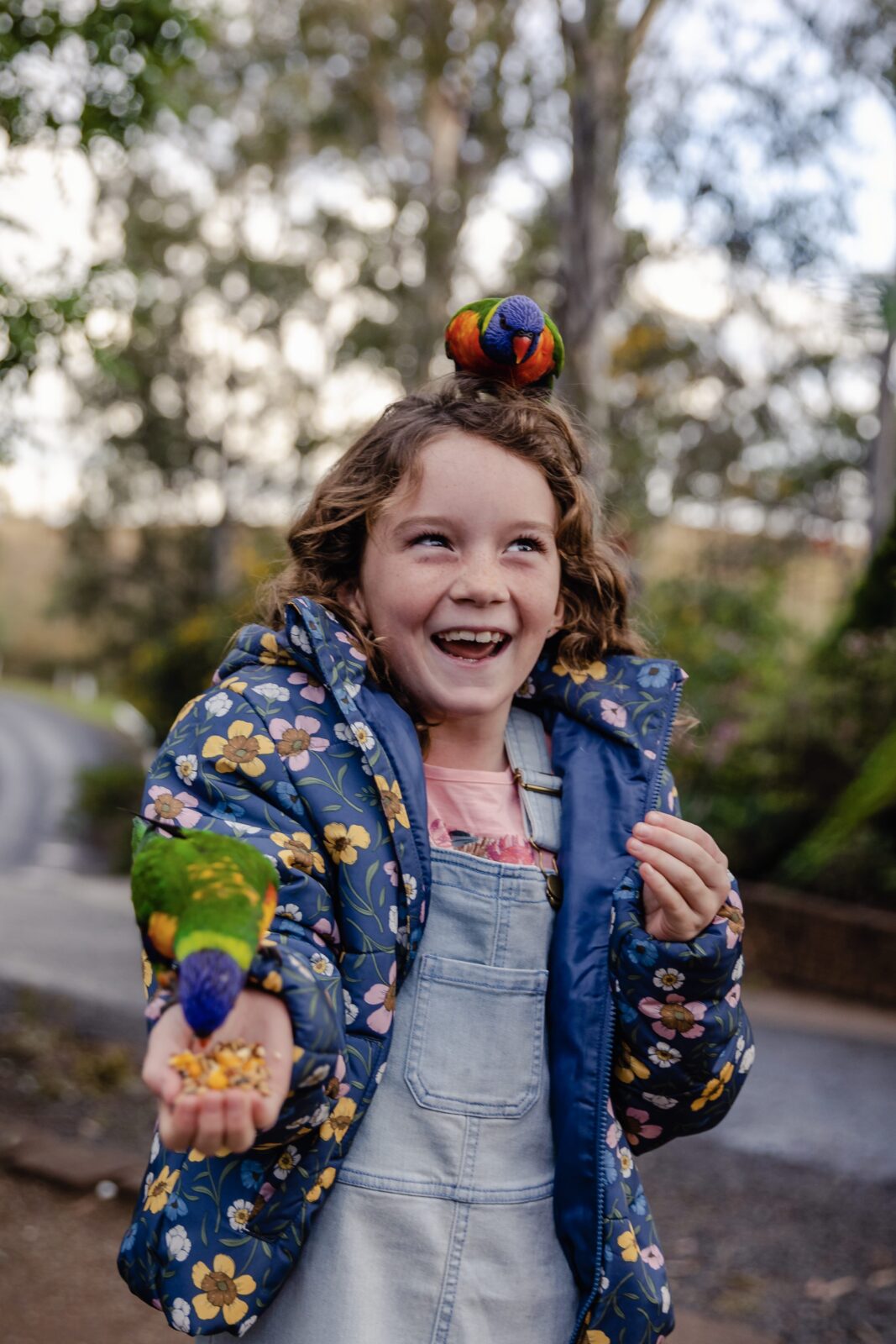
Exclusive Access to the Top Destinations for Families
Travelling privately with children isn’t about seeing everything on the map—it’s about giving your family the space to truly experience what matters. We choose destinations and curate each step around your family’s dynamic. The key to an unforgettable journey lies in how we seamlessly weave together the journey.
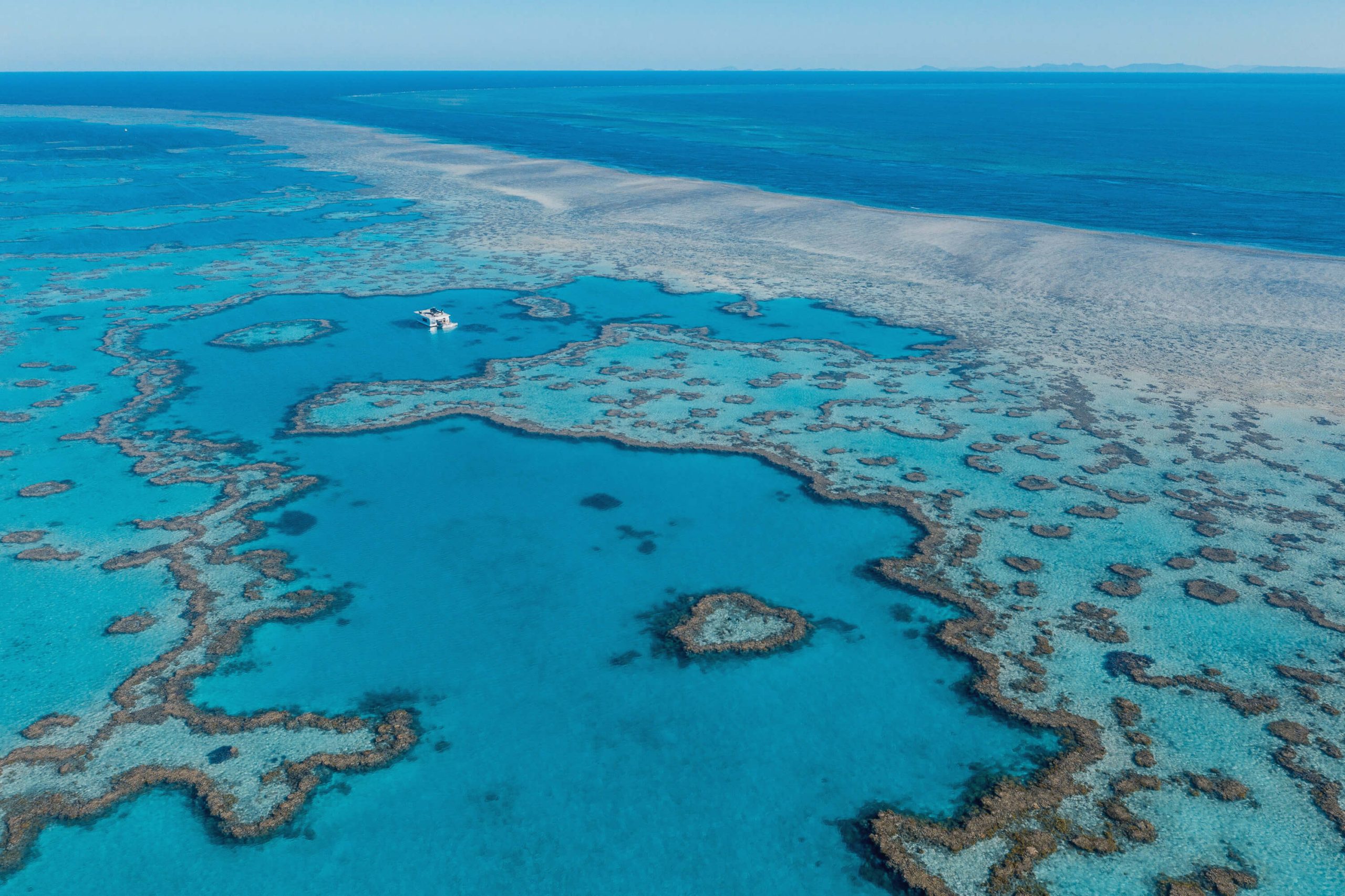
The Great Barrier Reef
Small boats, not pontoons. We put families on private charters carrying well under fifty rather than the pontoon vessels that take several hundred, with a marine biologist in the water beside your children instead of lecturing from the deck.
The Great Barrier Reef
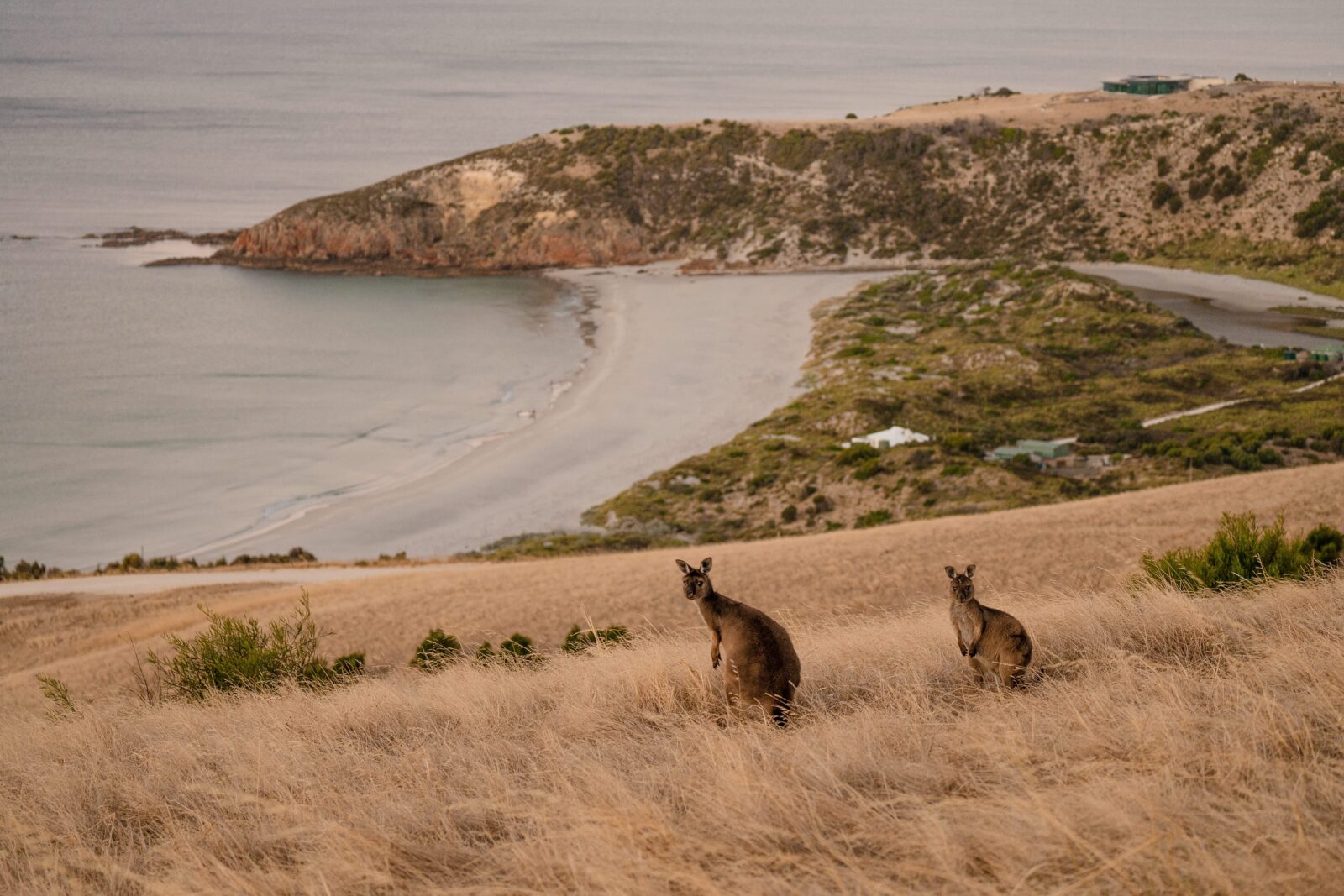
Kangaroo Island
Sea lions at Seal Bay from a 900-metre boardwalk, with a roaming guide who answers questions for as long as your kids keep asking them. Add the new Flinders Chase visitor centre and the rebuilt Remarkable Rocks boardwalk, and it fills two unhurried days.
Kangaroo Island
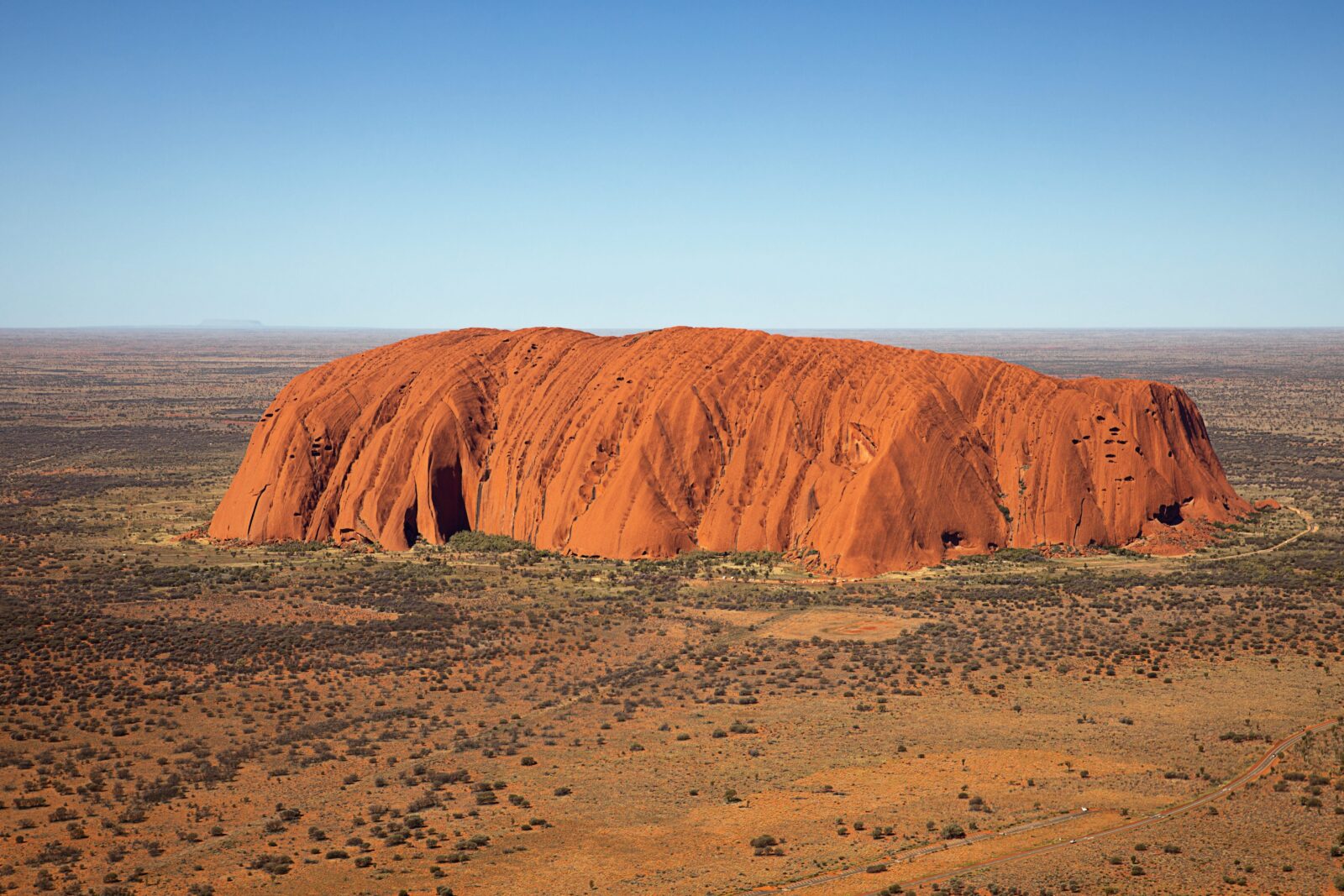
Uluru and the Red Centre
Ranger-guided Mala Walk runs year-round — two kilometres, ninety minutes, flat enough for a pram. Then the Field of Light after dark: fifty thousand solar stems switching on across the desert floor, and it lands identically on a six-year-old and a grandparent.
Uluru and the Red Centre
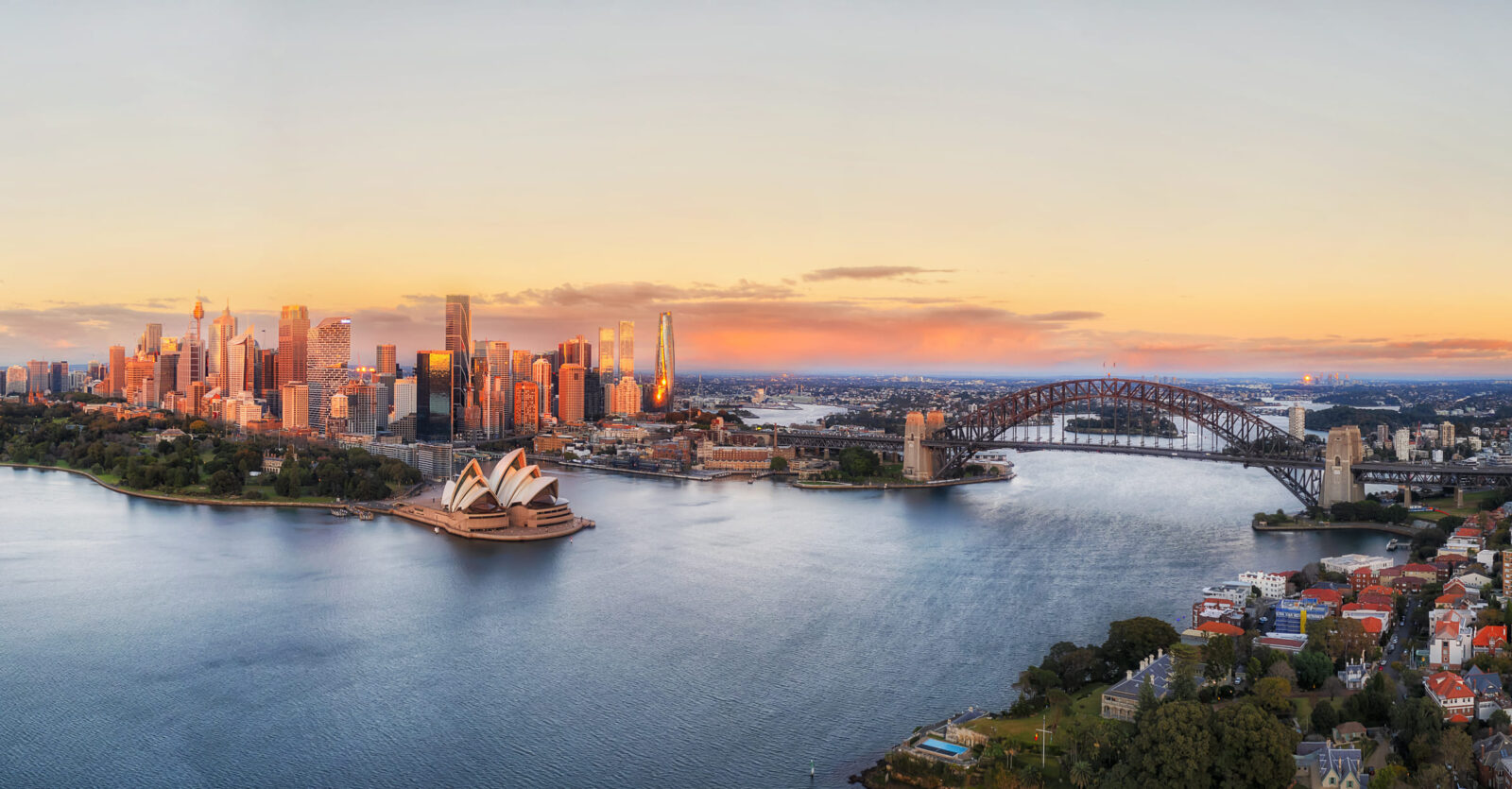
Sydney
The soft landing at either end of a long-haul flight. Harbour swimming, a private boat rather than a ferry queue, and museums that genuinely hold a wet afternoon. Two or three nights here is what stops the trip beginning with jet lag and a tantrum.
Sydney
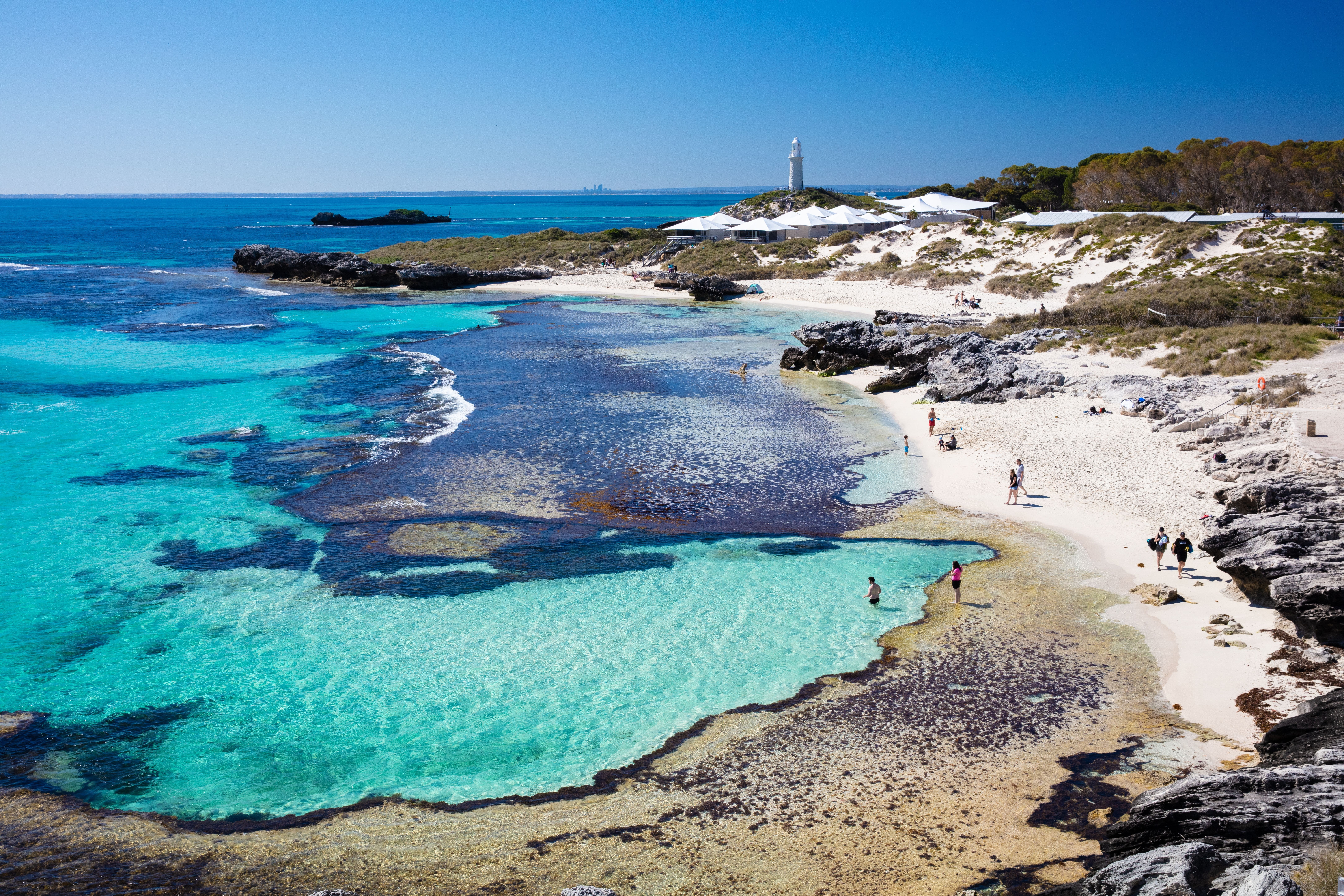
Rottnest Island
Twenty-five minutes by ferry from Fremantle, then 63 beaches and 45 kilometres of walking trails with almost no traffic. Famous quokkas up close in their natural habitat — an unforgettable wildlife encounter that makes the island a true paradise for young explorers.
Rottnest Island
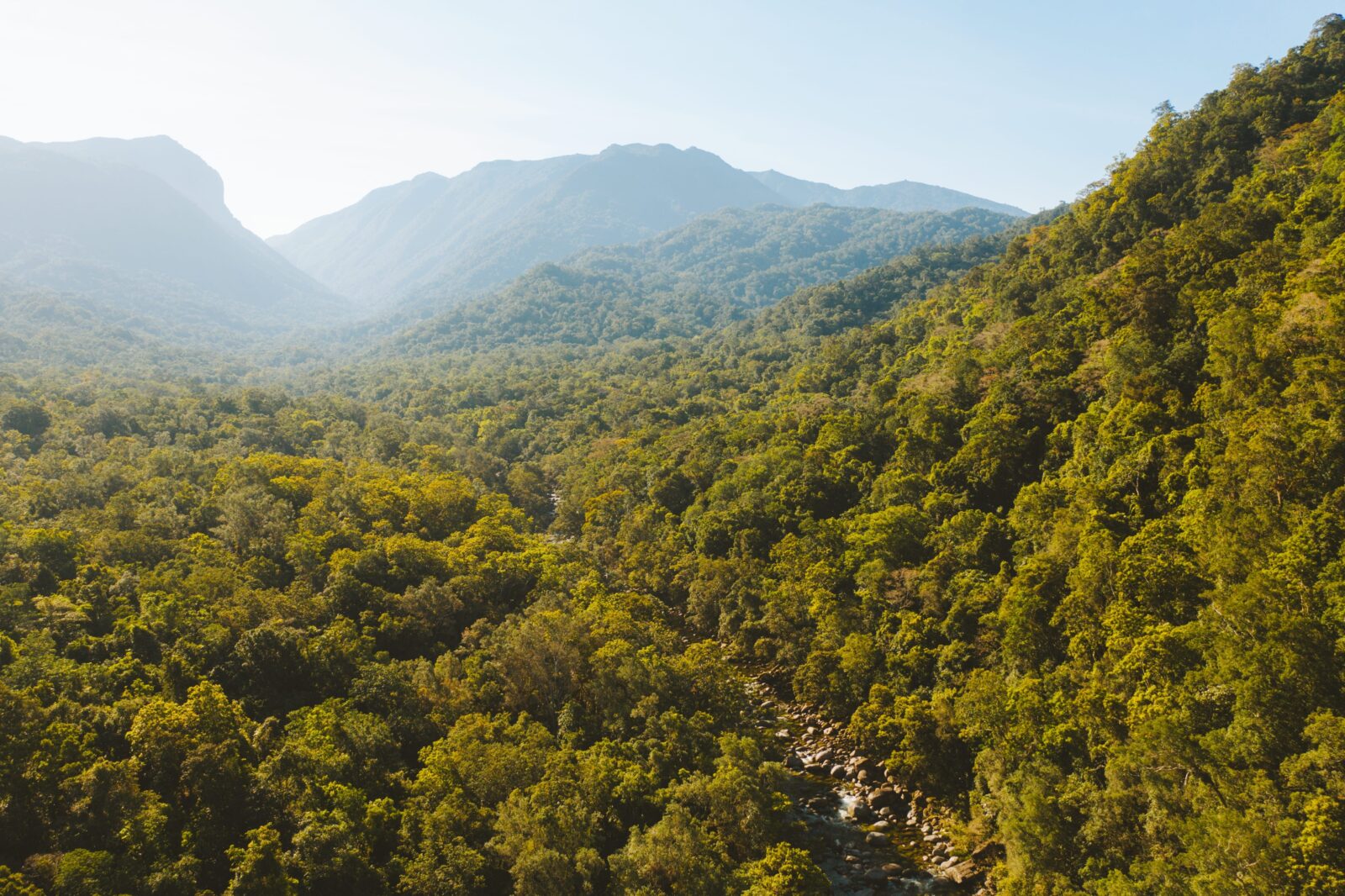
The Daintree and Mossman Gorge
Rainforest that is genuinely old, walked with Kuku Yalanji guides. The Aboriginal-owned operators here cap their groups at about a dozen, and the two-hour painting workshops in Mossman give younger children something to make rather than merely look at.
The Daintree and Mossman Gorge
How Journey Earth Works
Your Family's Australia, Made Your Way
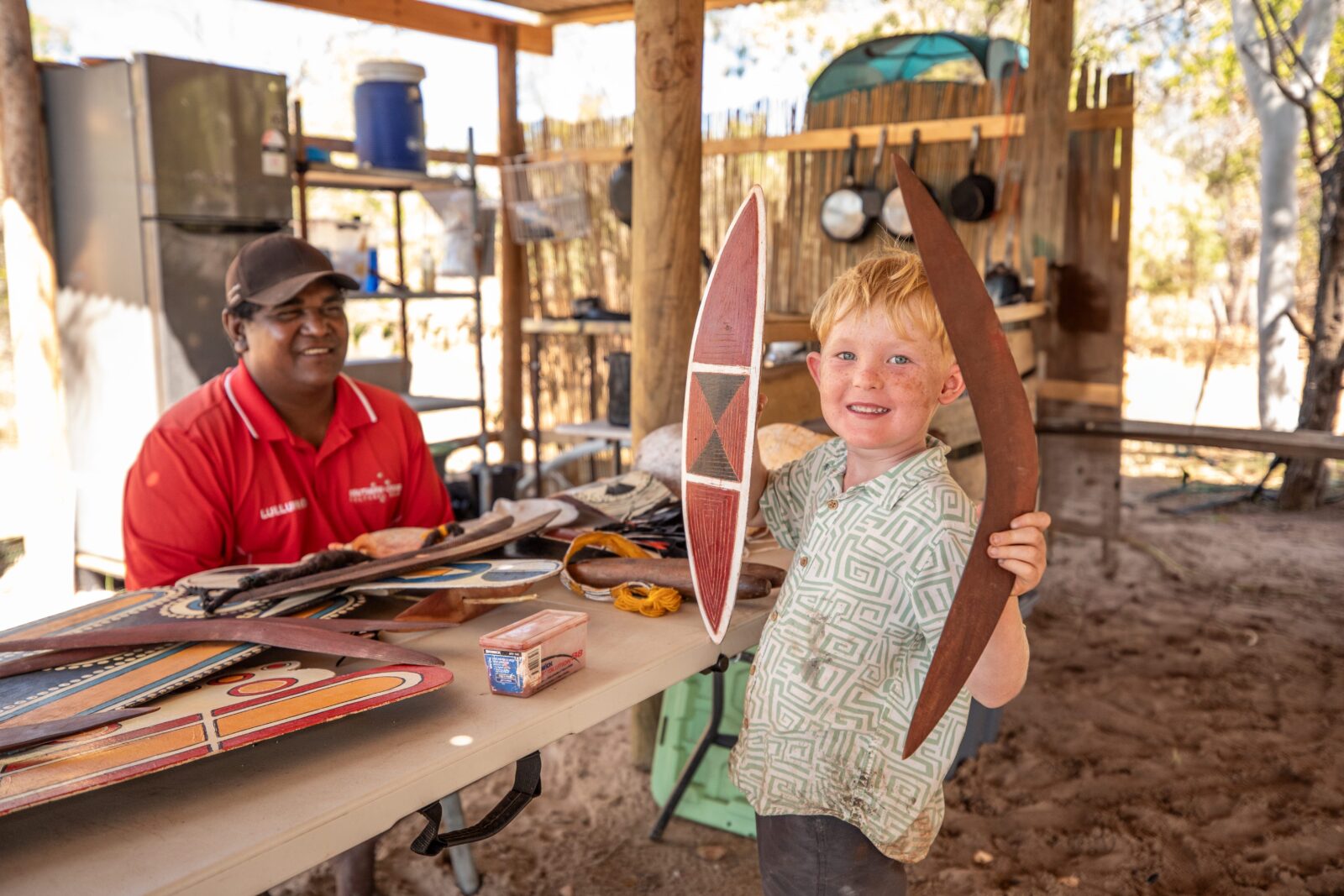
Aboriginal-owned and Aboriginal-guided, or we do not call it cultural. That means Kuku Yalanji guides in the Daintree, a community-owned dot-painting session at Uluru led by a working artist, and stories told in Pitjantjatjara rather than translated for you.
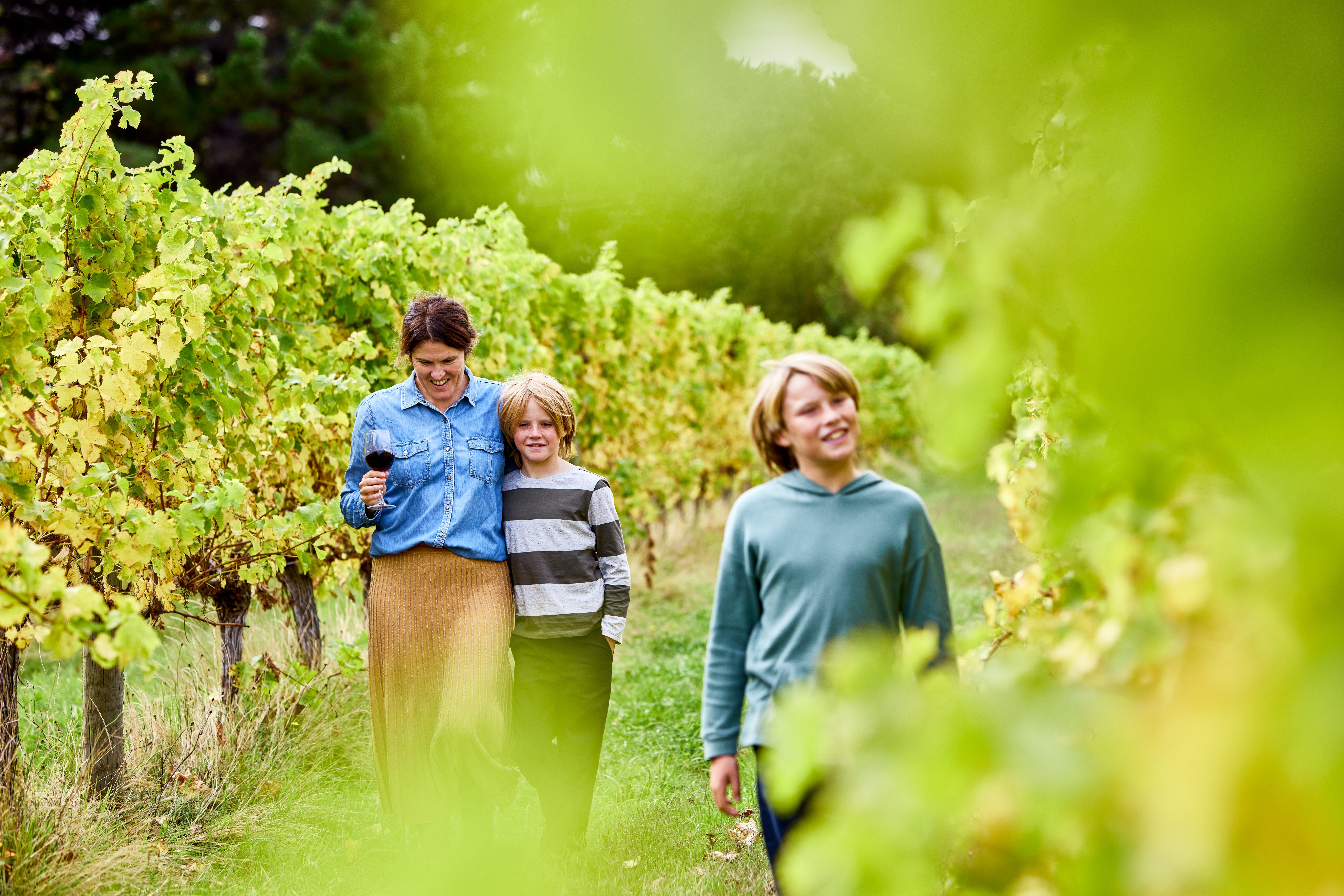
Yes, with children. The Barossa and the Yarra work for families when there is a driver waiting, a long lunch on a working estate, and somewhere for kids to be outside while the adults taste. We book the properties that welcome them rather than tolerate them.
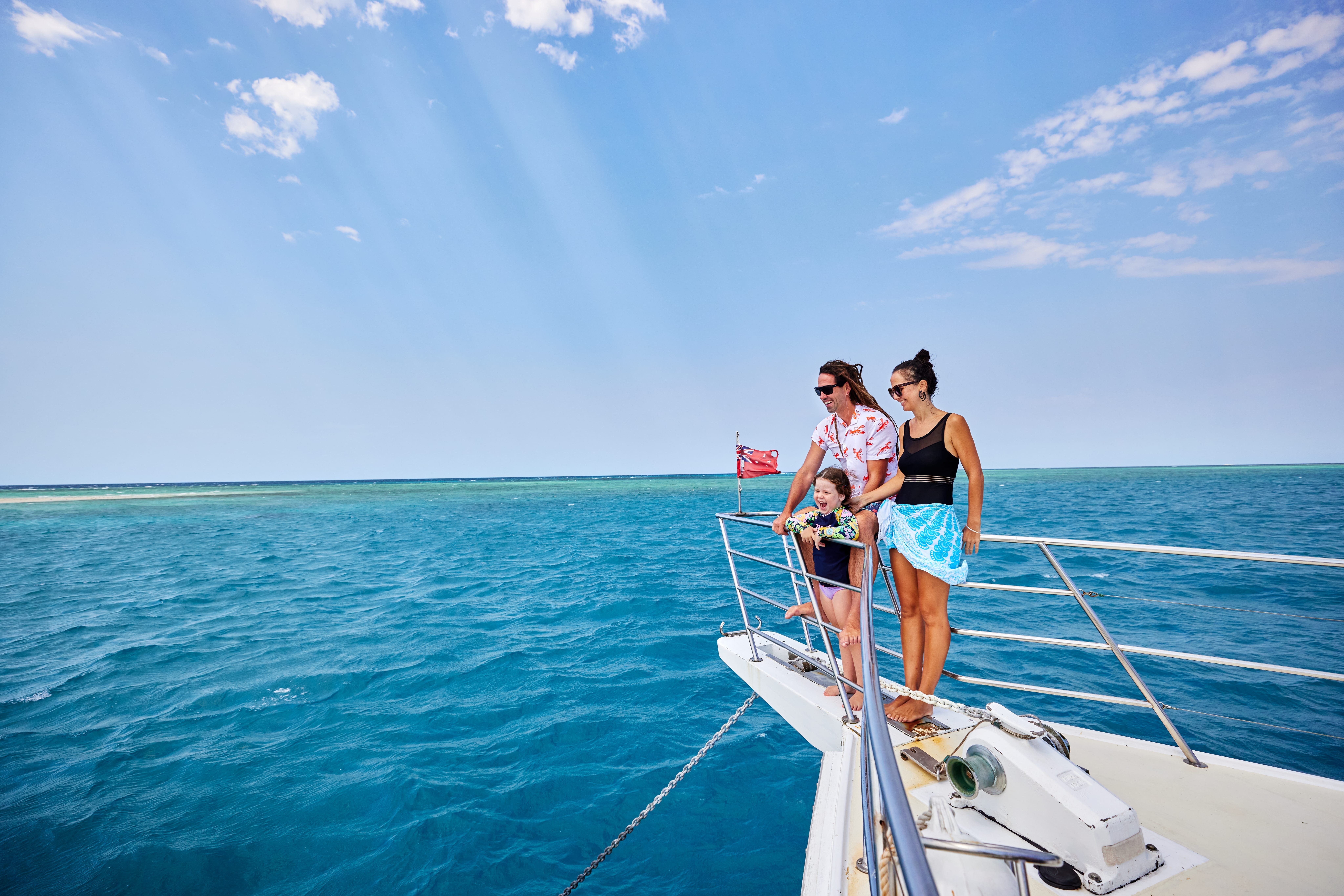
Reef days on small charters, sheltered inner-reef sites with almost no current, and stinger suits from size 2. Between November and May the lycra is mandatory on the good operators — worth knowing before you picture the photographs.
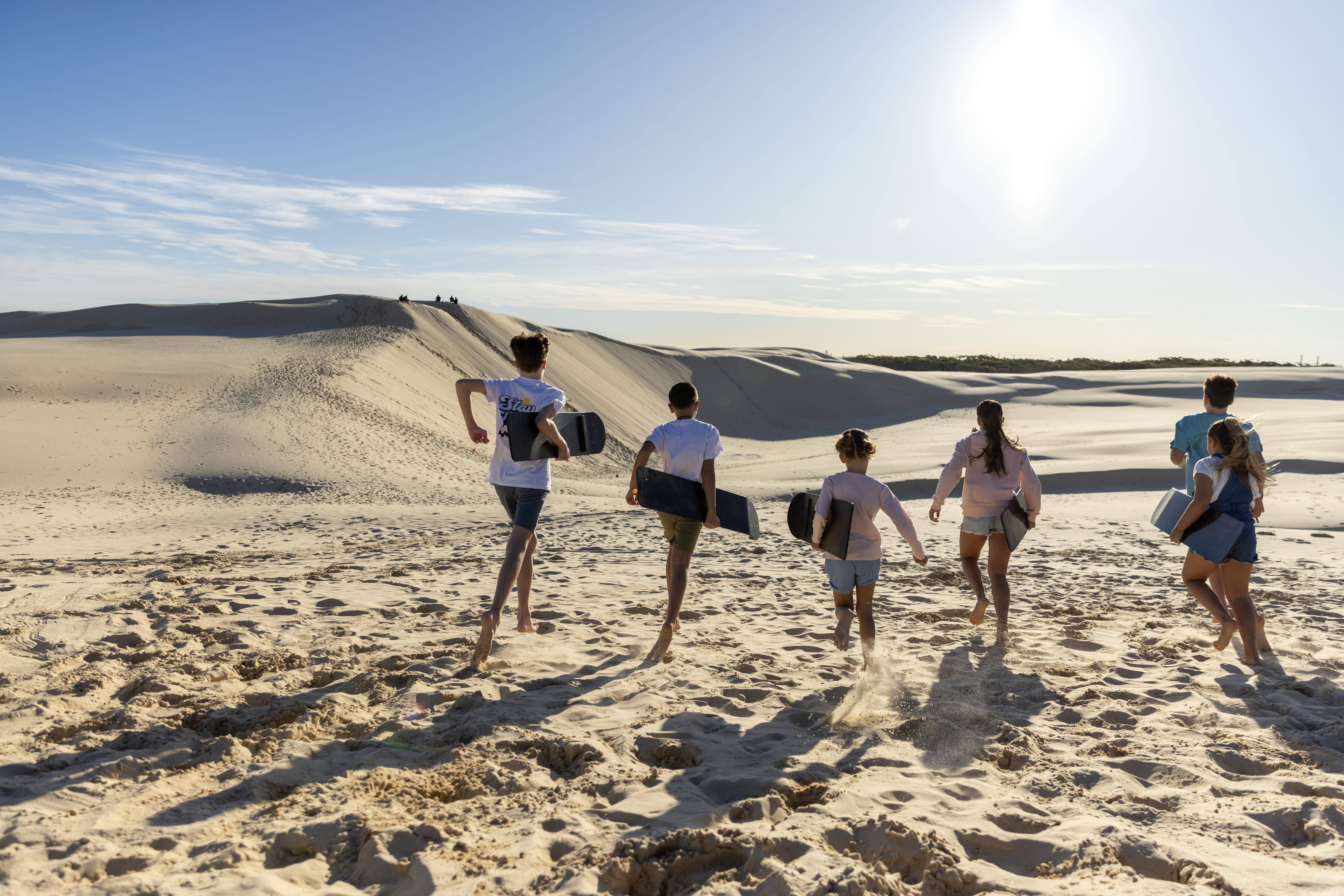
Sandboarding down coastal dunes, dives on the reef, we match the activity to the child. Glass-bottom boats and enclosed ocean pools cover kids below that age, and we’ll tell you when a teen is ready for something a ten-year-old is not.
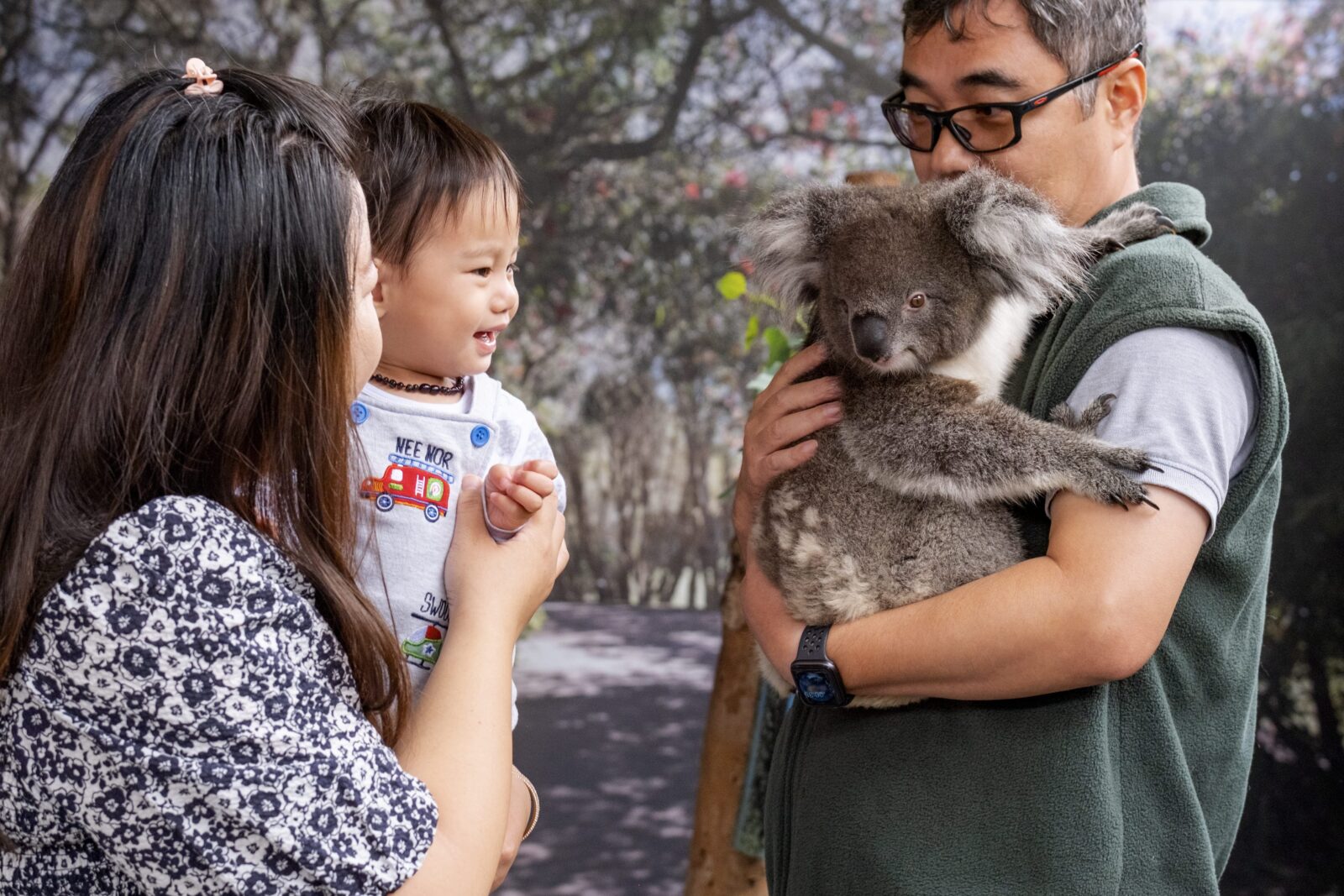
Timed an hour either side of the coaches, which is the whole trick. Sea lions, quokkas, koalas, and humpbacks heading north through June and into July, then south again from September to November.
Learn more about our Australian Luxury Experiences.
Where You Stay Decides Whether Anyone Actually Sleeps
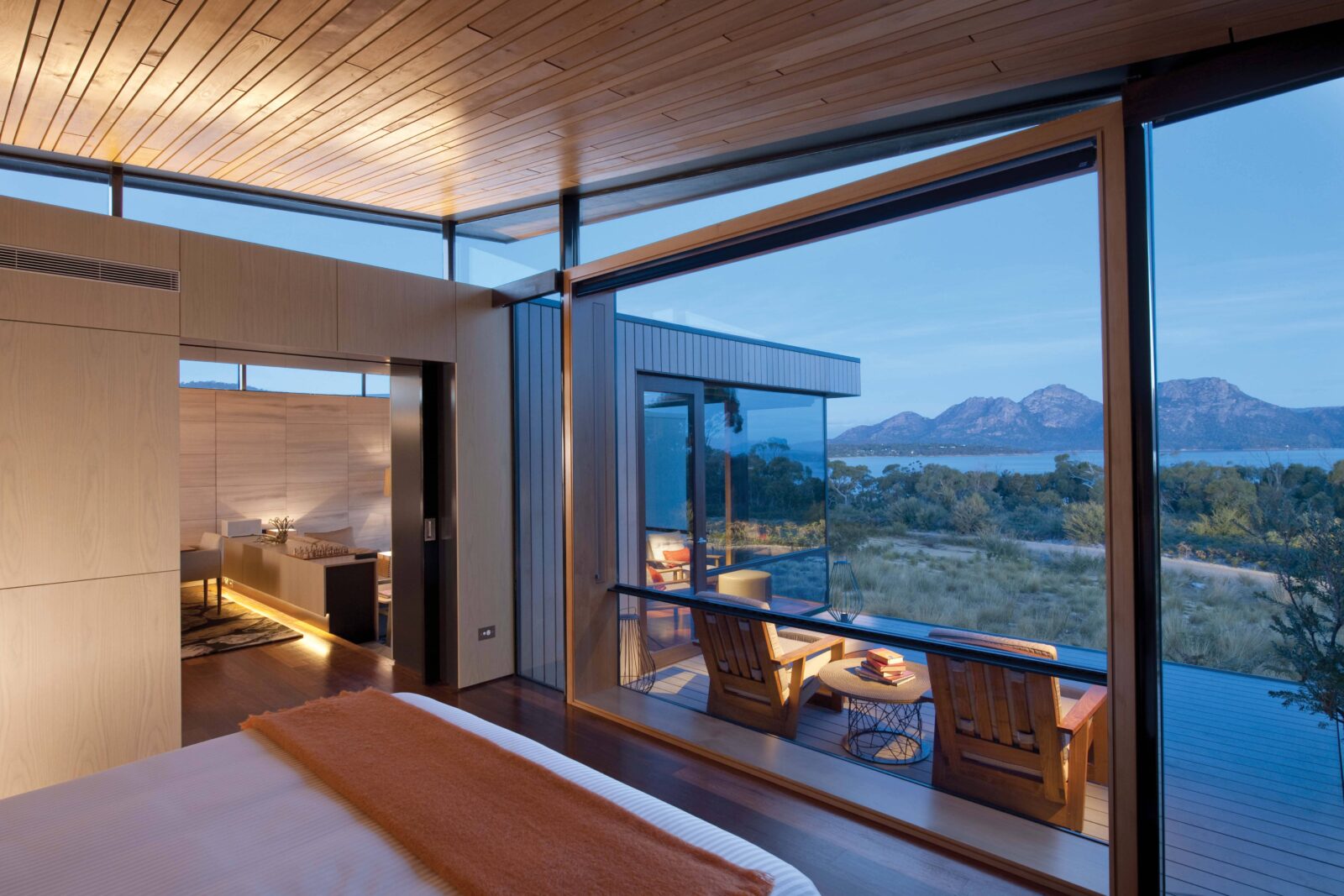
We vet family accommodation on three unglamorous things: interconnecting rooms, how far the room is from food, and whether the kitchen will feed a child at 5.30pm. Everything else is decoration.
Australia is unusually strong here. Its best lodges run to fifteen or twenty-five suites, so staff learn your children’s names on day one, and farm stays give younger kids space, animals and a reason to be outside until dark. Where a lodge is not the answer, an apartment with a kitchen usually is — and we will say which rather than upsell the suite.
Why Families Choose Journey Earth
We Are in Australia, in Your Children’s Time Zone
Our designers live here and have driven these roads. When something needs changing at nine in the morning, you are not emailing an office that is asleep.
We Name the Operator, Not the Category
You will know which boat, which guide, which room faces which way — before you pay for any of it.
We Will Talk You Out of Things
If a place on your list does not fit the time you have, we say so early. That is cheaper than discovering it from a departure lounge.
Frequently Asked Questions About Australia Family Vacations
What is the best age to take children to Australia?
Six and up gets the most out of it — that is when snorkelling, walking distance and long-haul flights stop being a negotiation. Under-fives still travel well. We simply base you in fewer places for longer and lean on beaches and wildlife parks.
How long do you need in Australia with kids?
Fourteen nights is the honest minimum for both the reef and the Red Centre. Sydney to Cairns is three and a quarter hours in the air, and Cairns to Uluru is not a drive. Ten nights works if you pick one region and go deep.
Do Australian school holidays affect a family trip?
Yes, and the states diverge more than people expect. In 2026, Queensland breaks 27 June to 12 July while New South Wales runs 6 to 17 July, and Tasmania sits weeks out of step before realigning in 2027. Reef boats fill inside those windows.
Is the Great Barrier Reef safe for children to snorkel?
On a well-run boat with a small group, yes. Operators supply stinger suits, flotation vests, and lycra, and sheltered inner-reef sites have almost no current. Minimum ages differ — some take infants, some start at six — so we match the boat to your children.
How do you handle Australia's sun and its distances?
ARPANSA advises sun protection whenever the UV Index reaches 3 or above, and Australian summer readings regularly pass 11. So water time goes early and the middle of the day stays shaded. On distance, we cap you to one long internal leg.