
Most Australia itineraries sold to older travellers are the standard route with the walking removed. That is not what we do, and it is not what you asked for. Our Australian travel designers rebuild the trip properly — fewer moves between hotels, transfer days capped, the hard walks swapped for a helicopter or a boat that reaches the same place with a better view. What comes off is the exhaustion. What stays is the country. You should finish this trip talking about the Kimberley, not about your knees.
Designed With You in Mind
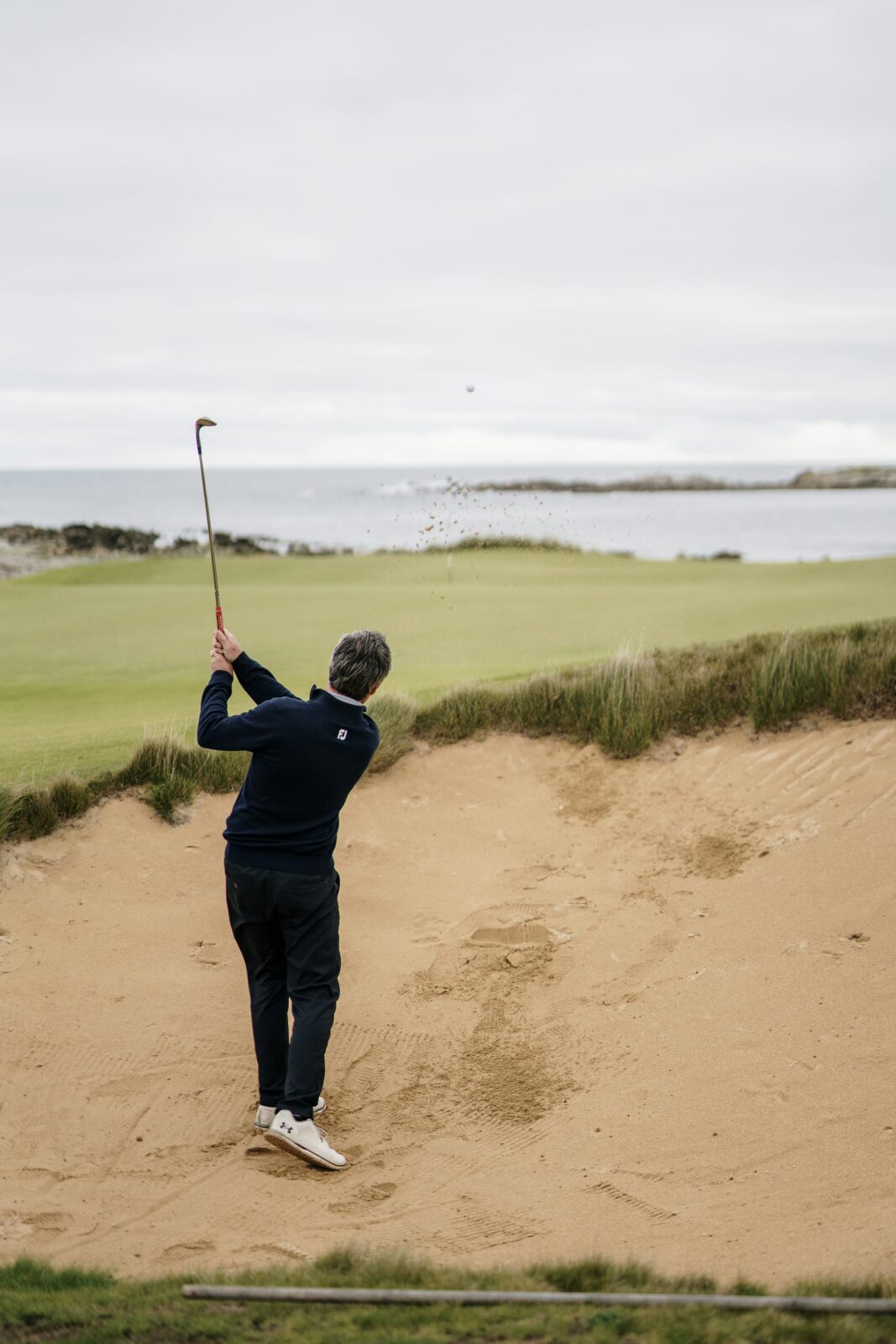
- Who it suits: independent travellers aged 55 and over, including couples travelling with friends and anyone who has been putting Australia off for years
- Where we take you: Tasmania, the Great Ocean Road, the Barossa and Yarra valleys, Sydney Harbour, Uluru, and the Kimberley from the air
- When to go: March to May and September to November, when the southern states sit in the twenties and the crowds thin out
- What we change: shorter transfer days, single-base stays, private guides who set the pace, and an accessible alternative behind every experience on the plan
- How far ahead to plan: nine to twelve months, and longer if you want the small lodges in Tasmania or the Kimberley
Six Australian Destinations for Seniors, Privately Explored
Australia rewards depth over coverage at any age, and after 55 the maths gets starker — every extra internal flight costs a day you could have spent somewhere good. These six carry a three-night stay without running thin.
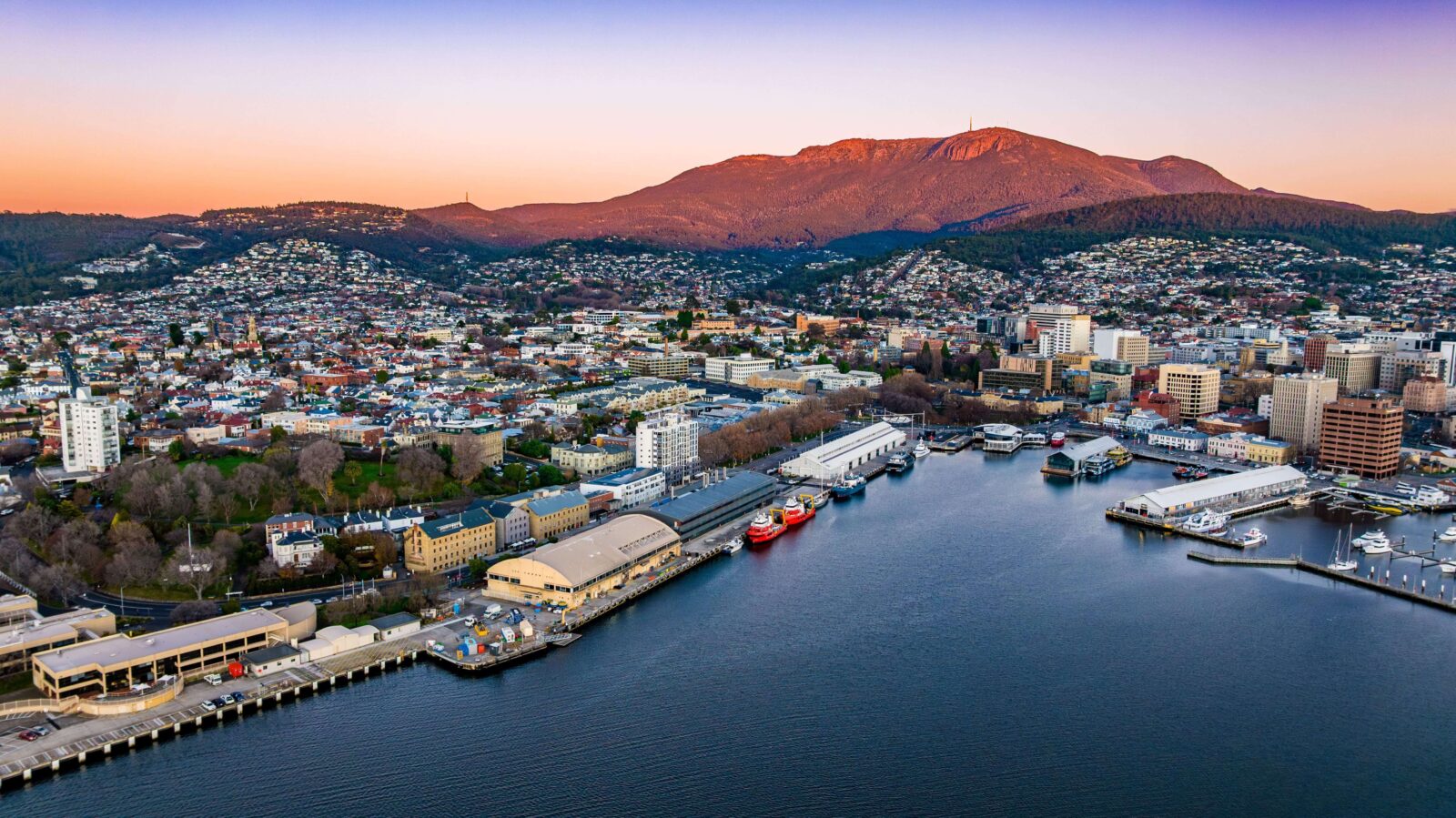
Tasmania
Give it more days than you think it needs. Quiet roads, the best food in the country, and short graded walks that go somewhere. Treat it as a loop, not a base: Hobart to Coles Bay is 2 hours 35, but Cradle Mountain is 4 hours from Hobart and far better reached from Launceston.
Tasmania
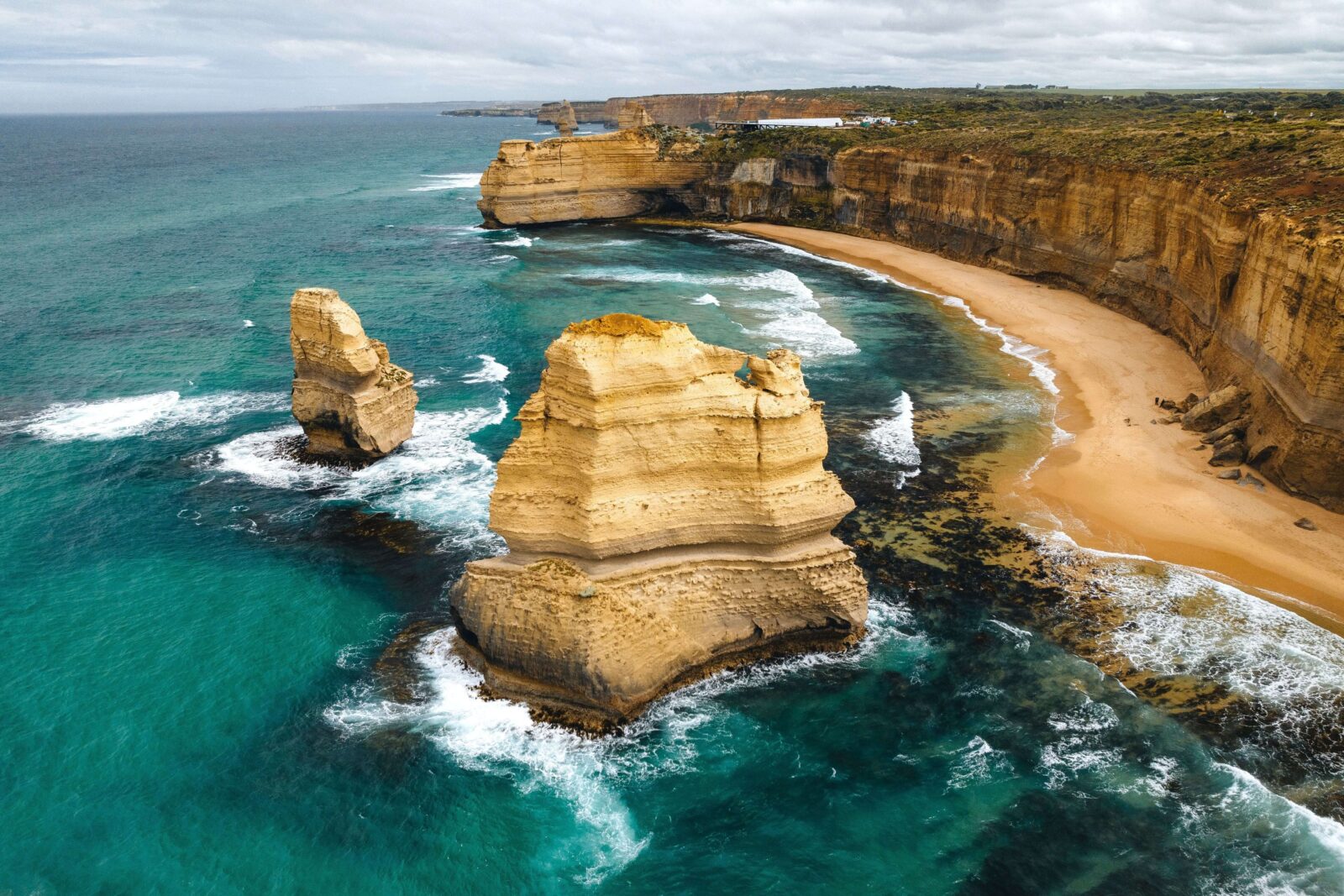
The Great Ocean Road & the Twelve Apostles
Six hundred metres of sealed path leads to accessible boardwalks and viewing areas, and the kiosk lends wheelchairs between 10am and 5pm. Seven stacks stand today. There were eight when they were named, and one came down in July 2005 — worth knowing before you count.
The Great Ocean Road & the Twelve Apostles
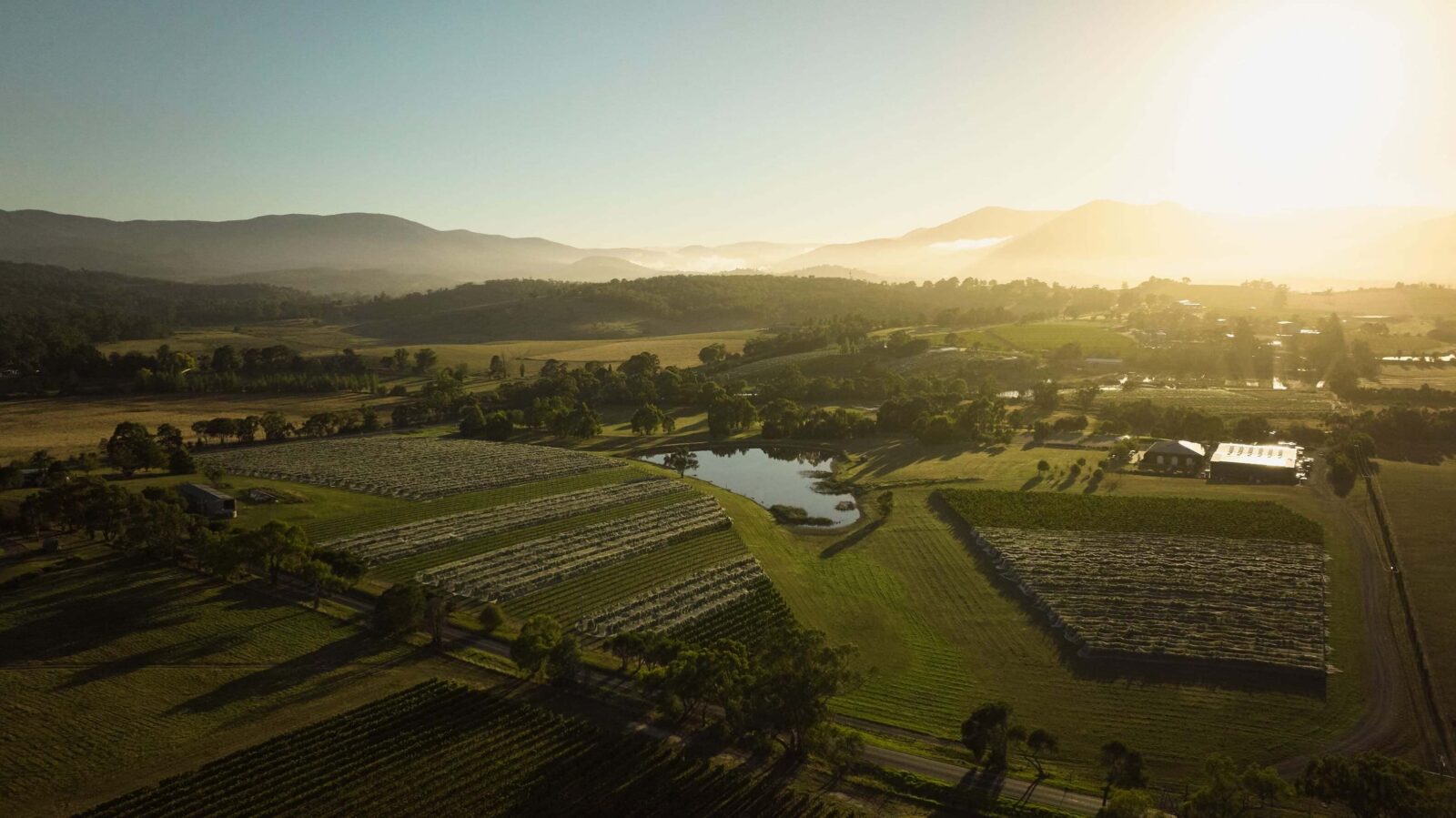
The Barossa and the Yarra Valley
Long lunches with a driver waiting outside. The Barossa’s Old Vine Charter starts at 35 years and runs to Ancestor Vines of 125 or more, and a handful of the region’s shiraz and mourvedre plantings went into the ground in the 1840s and 50s and still stand on their original roots. Private tastings put you across the barrel from the winemaker.
The Barossa and the Yarra Valley
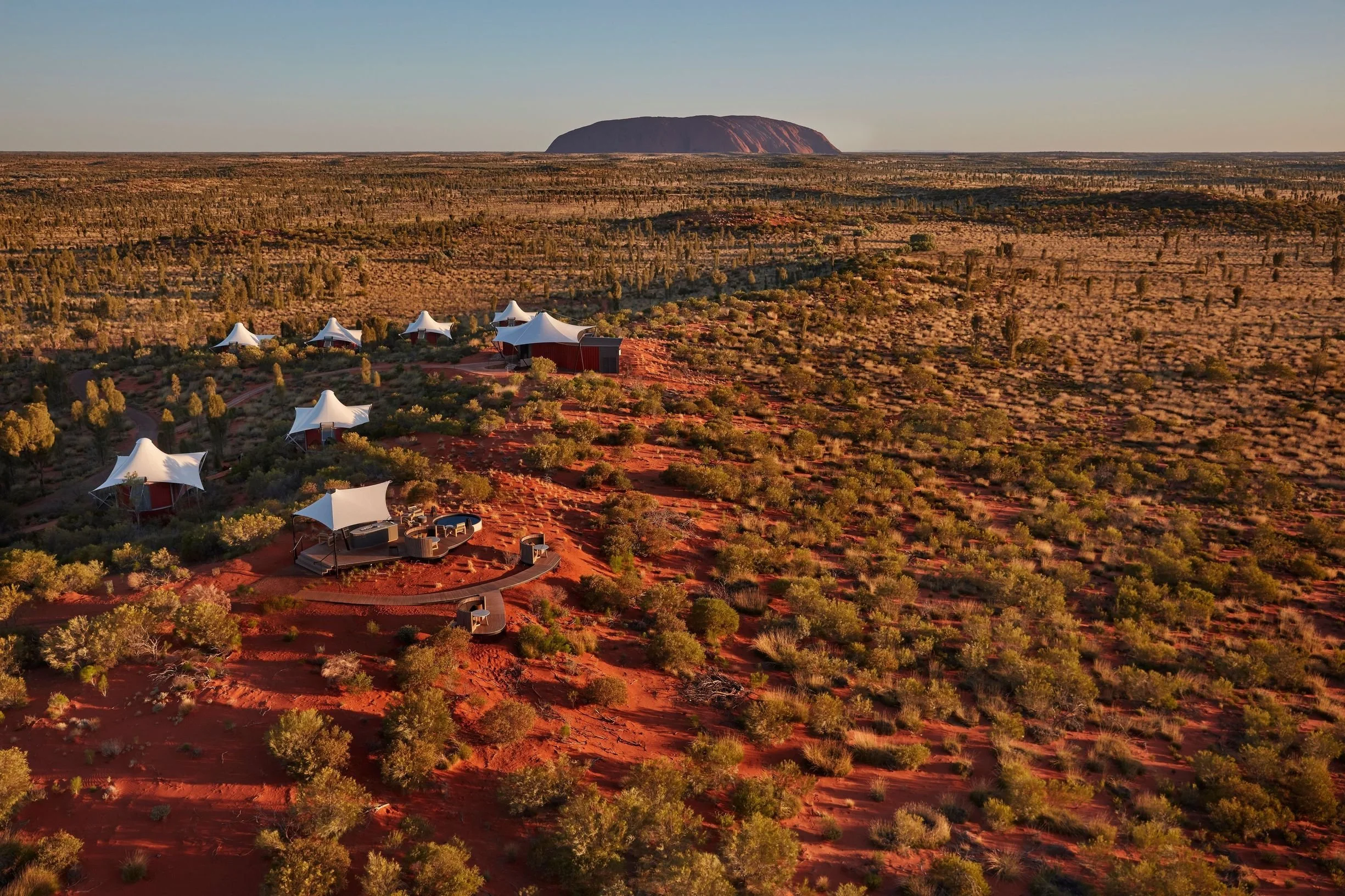
Uluru and Kata Tjuta
More accessible than its reputation. Talinguru Nyakunytjaku has two wheelchair-friendly sunrise loops, water and toilets; the Kuniya walk is a kilometre. Kata Tjuta is the honest exclusion — Parks Australia states its tracks are unsuitable for wheelchairs and scooters, so we build the day around Uluru instead.
Uluru and Kata Tjuta
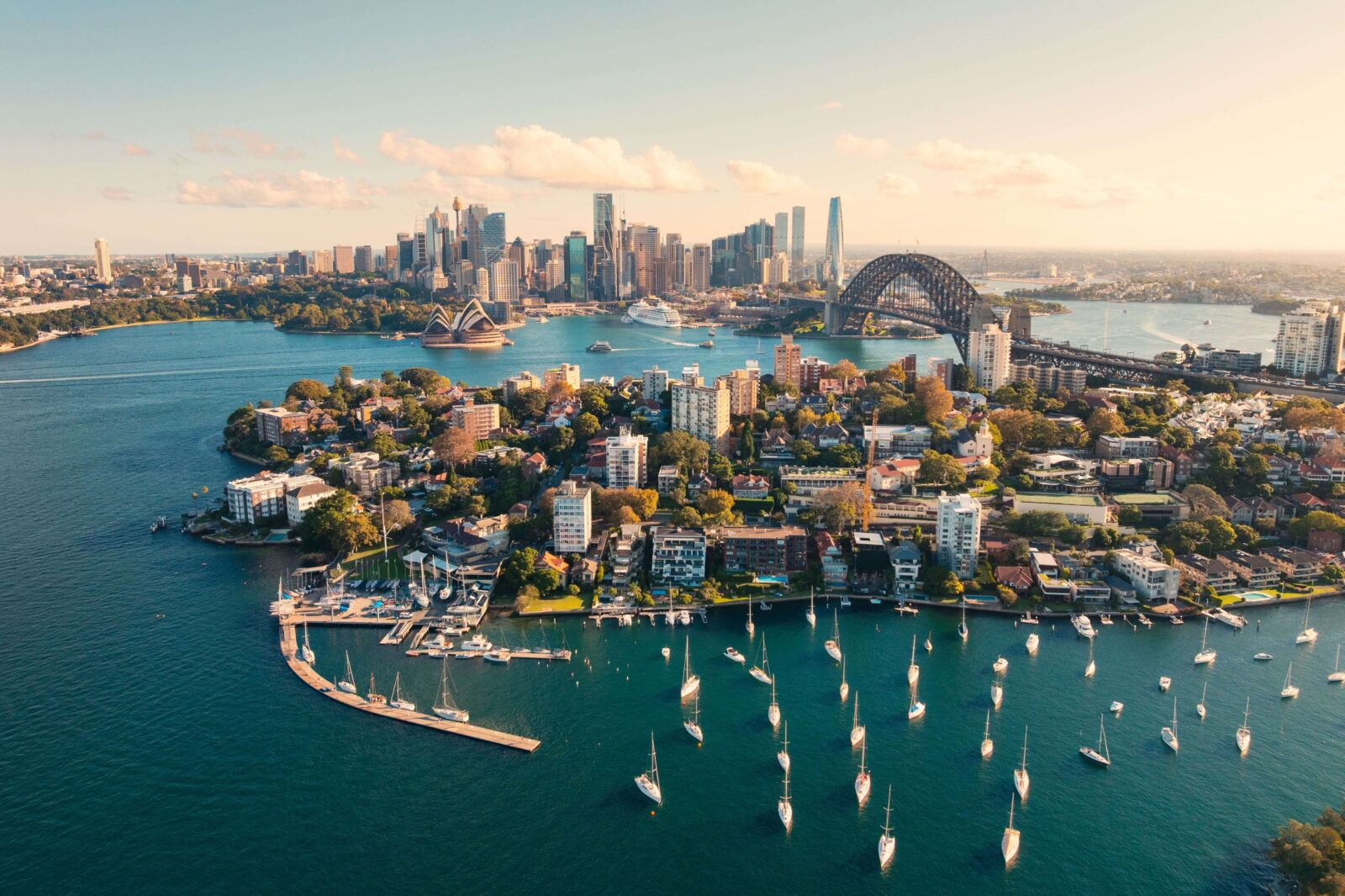
Sydney Harbour
Two or three unhurried nights, a private boat rather than a ferry, and dinner somewhere you are not shouting over a room. It is also the easiest place in the country to recover from a long-haul flight before anything is asked of you.
Sydney Harbour
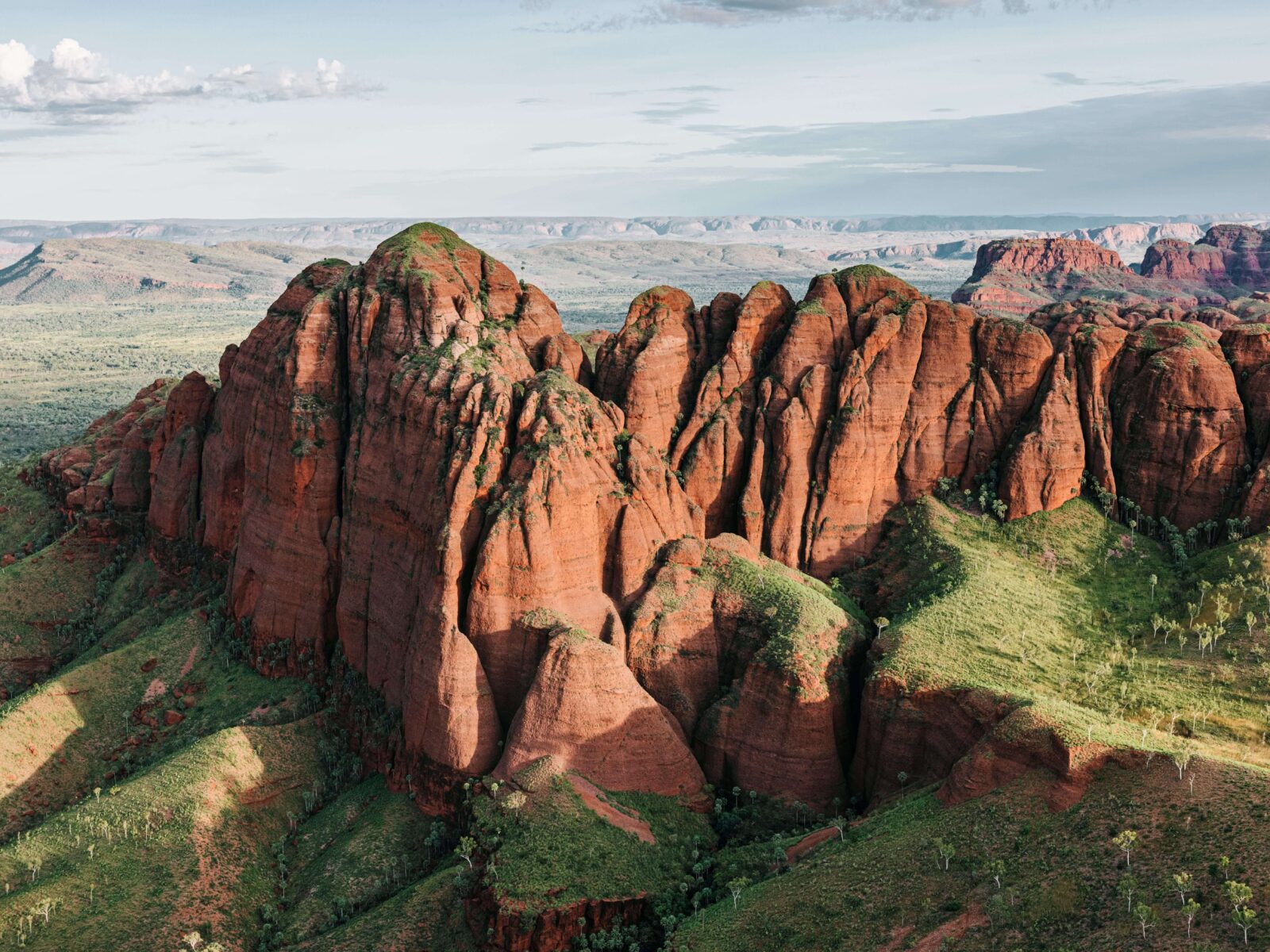
The Kimberley, by air
A scenic flight covers gorges that would otherwise cost three days of four-wheel driving. We fly you out of Kununurra, and where the route crosses country with living owners, an Indigenous-guided flight puts the explaining in the right hands.
The Kimberley, by air
How Journey Earth Works
Your Australia, Made Your Way
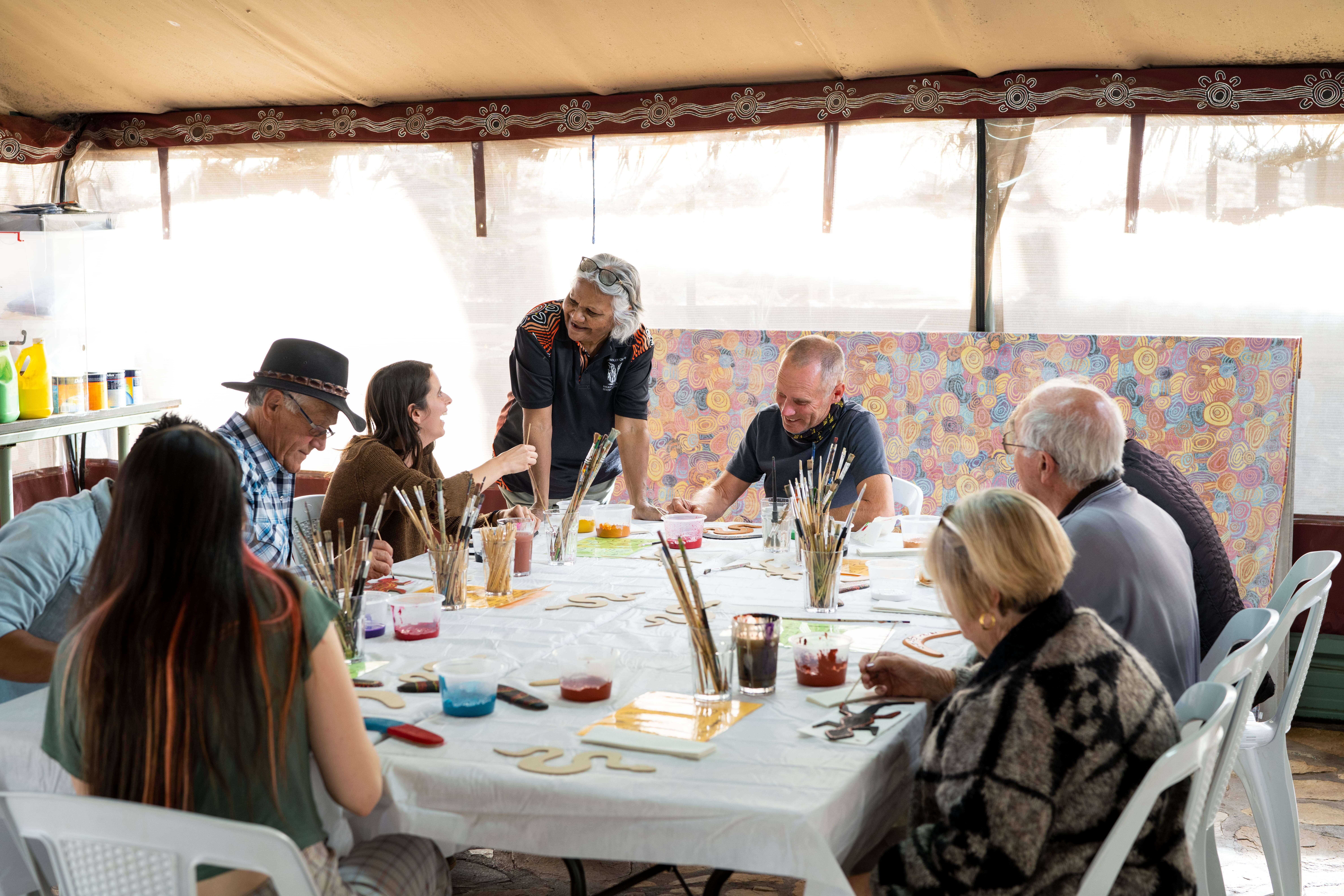
Aboriginal-owned, and we are specific about it. The dot-painting session at Uluru runs through the Mutitjulu community’s own art centre, where artists take half the sale price. Further out, family homelands beyond the park boundary are opened by their traditional owners to fifteen guests at most.
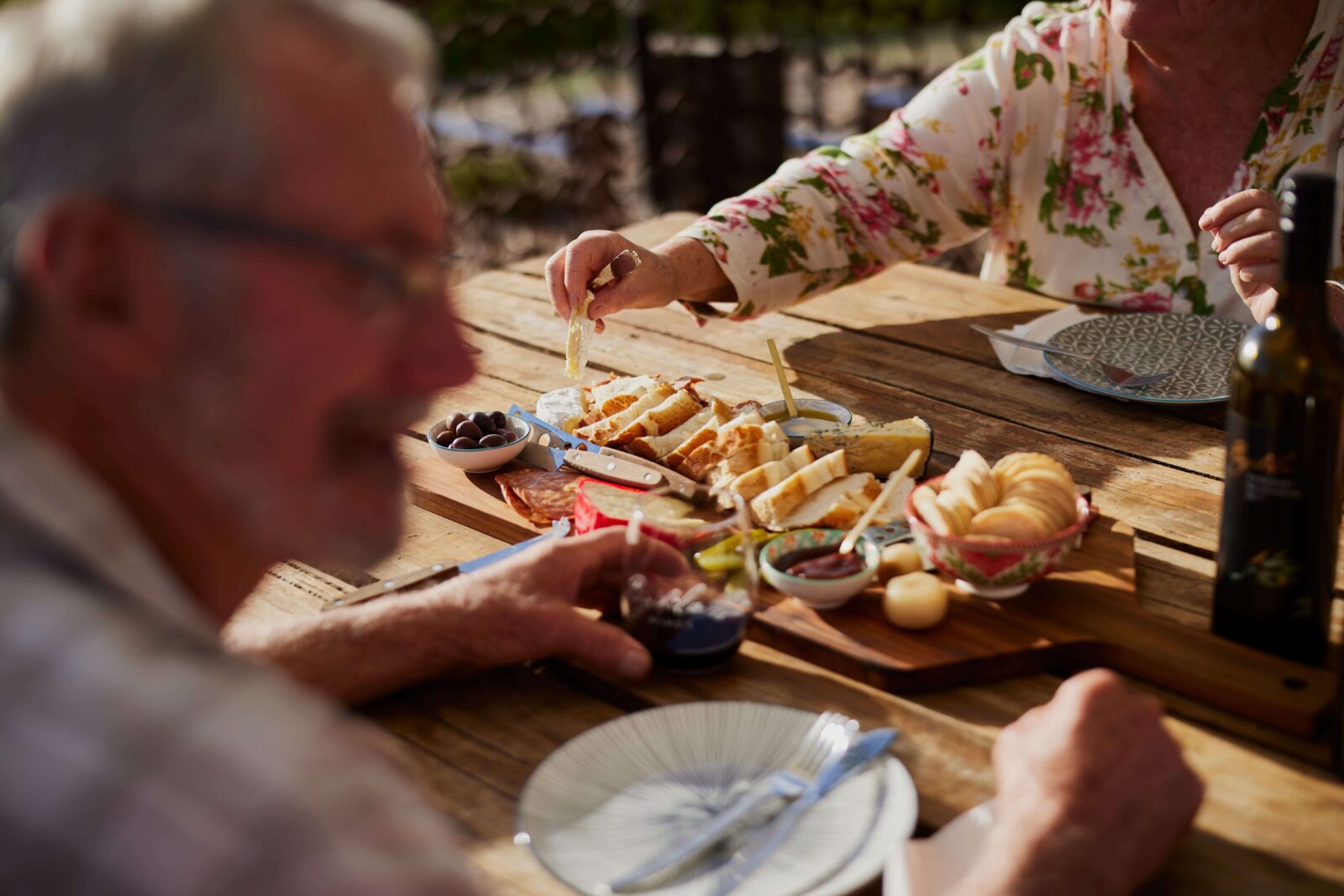
The Barossa, the Yarra and the Margaret River, arranged so the afternoon can go where it wants to. Autumn days in the Barossa run 17 to 26 degrees, harvest starts mid-February and can stretch into late April, and 550 growers means the small cellar doors are the interesting ones.
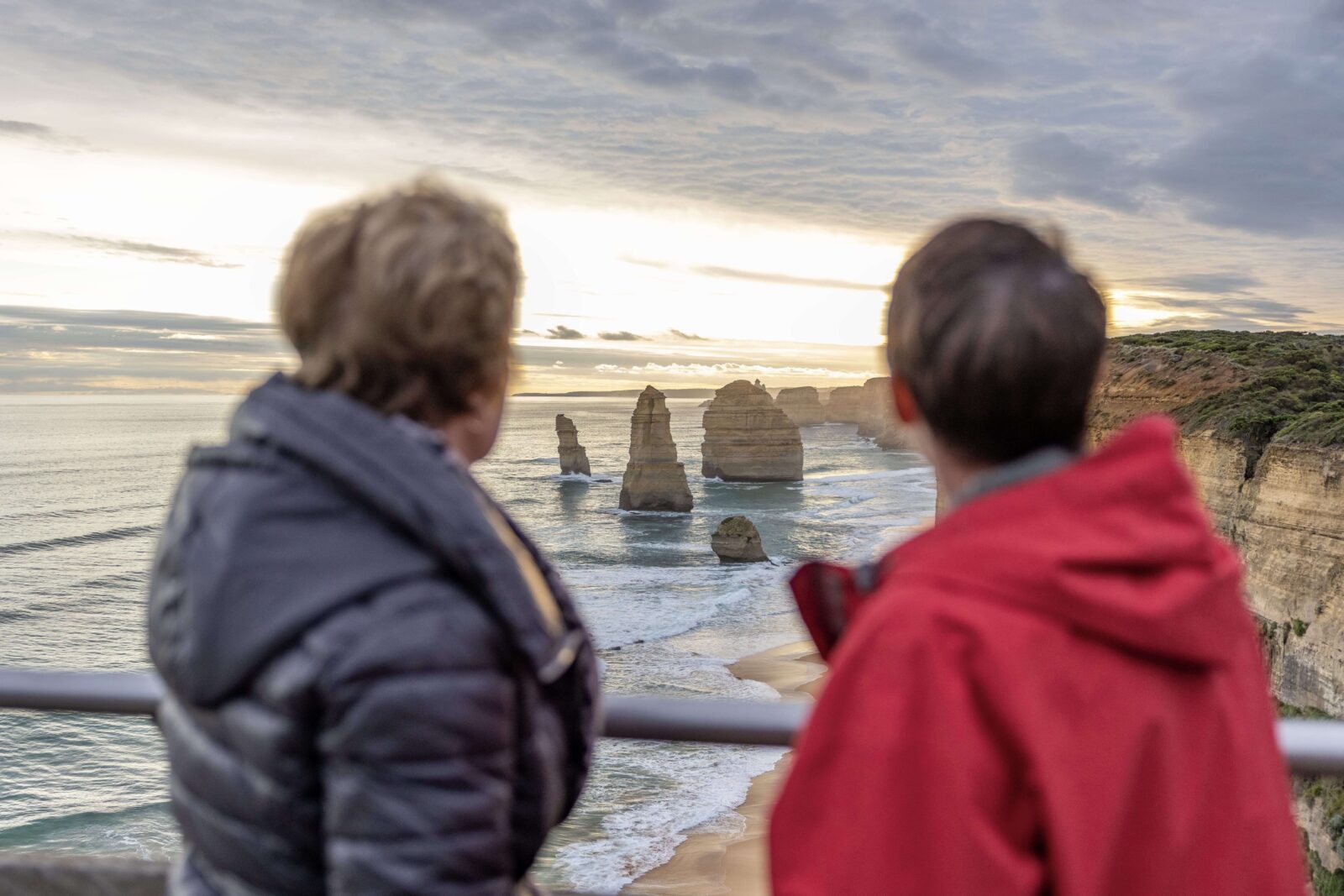
Sheltered water and short flat walks. The Whitsundays by private vessel, Sydney Harbour, the Great Ocean Road timed for late afternoon once the buses have gone. On the reef, a glass-bottom boat and a semi-submersible show you plenty without getting wet.
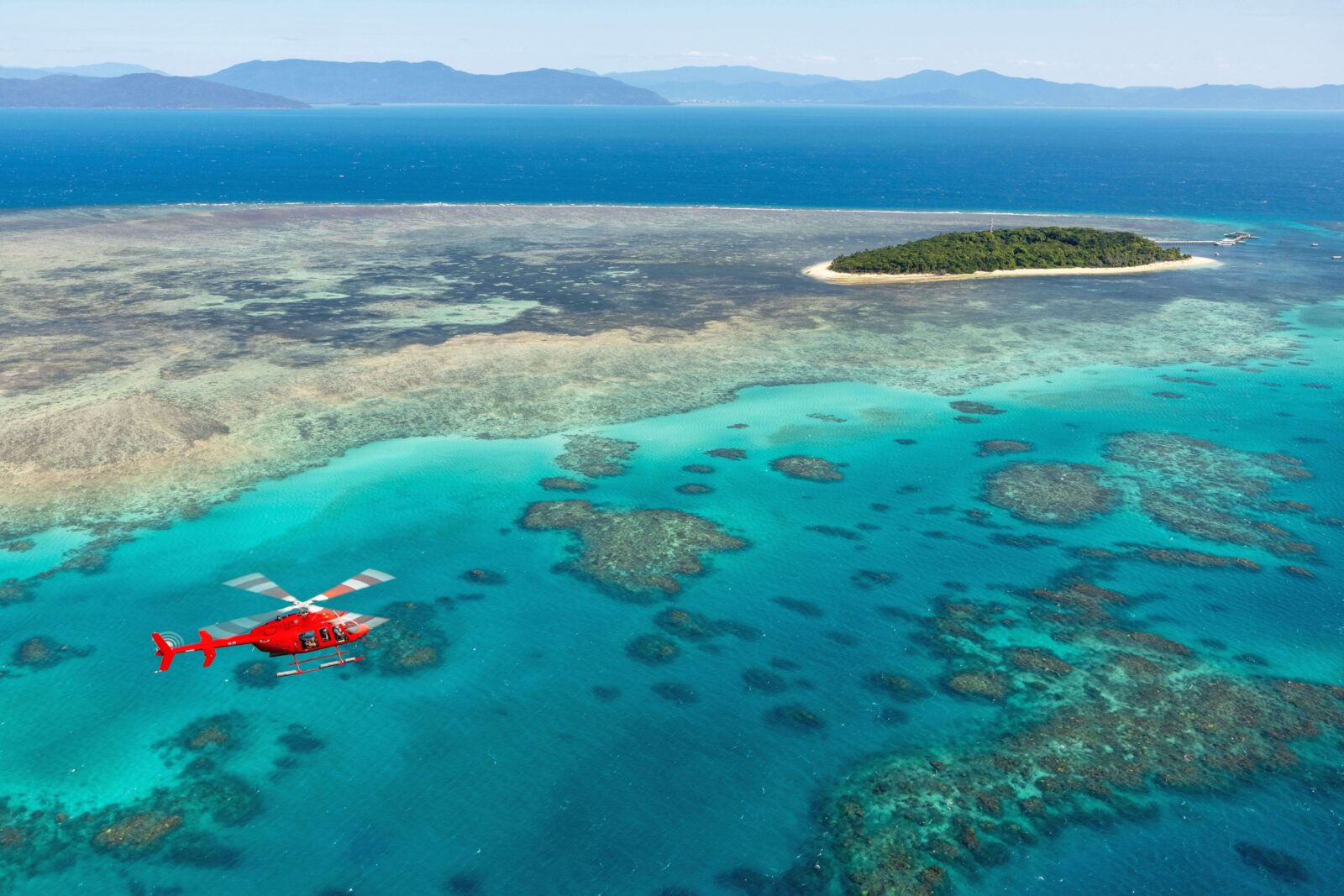
Adventure here means access, not exertion. A helicopter over the outer reef shows you coral systems no snorkeller ever sees. Ask before you rule anything out — there is usually a second route in, and it often has the better view.
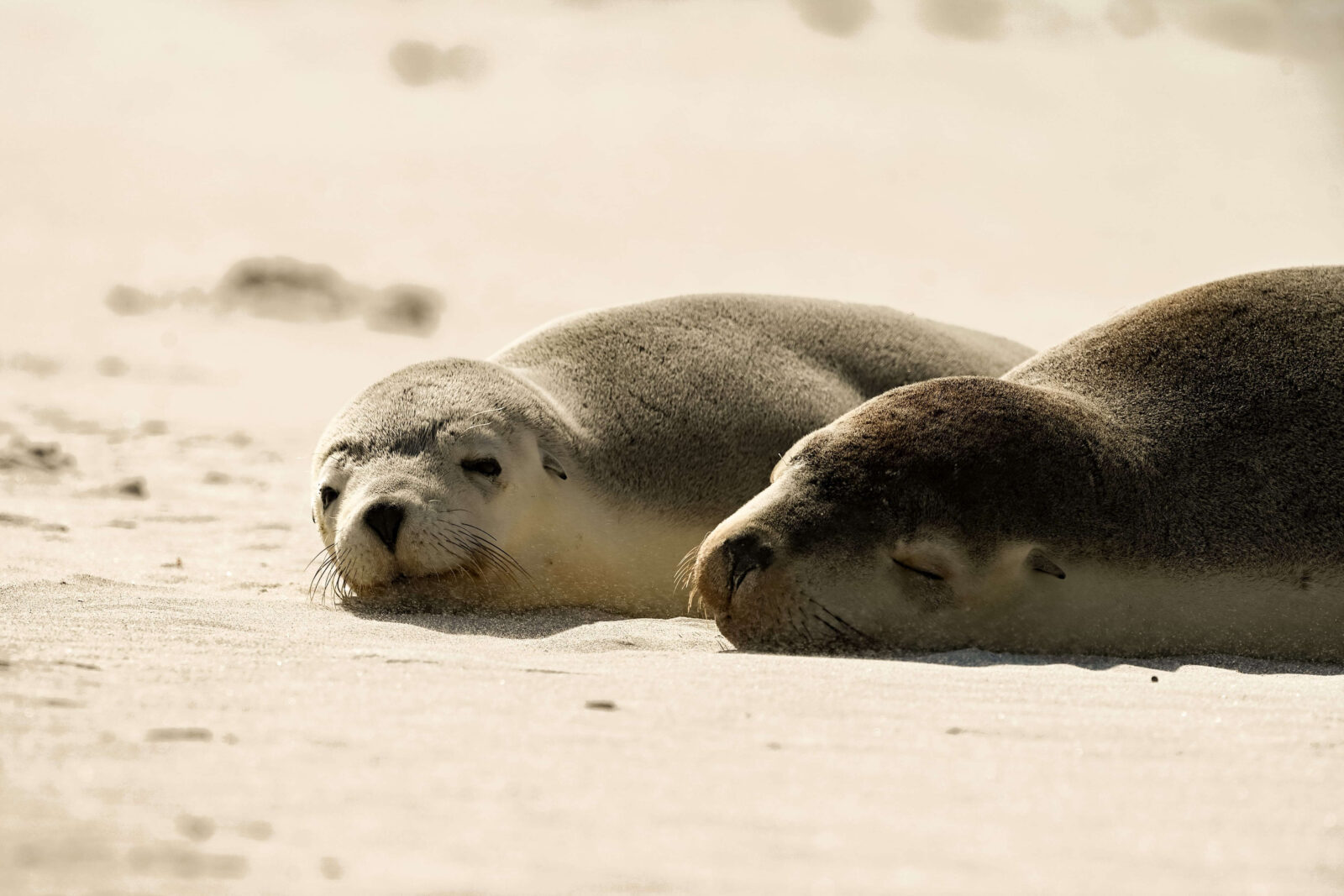
Seal Bay’s boardwalk runs 900 metres return with a roaming guide, and the sea lion colony is the third largest anywhere. Southern right whales gather at the Head of Bight from mid-May to late October, peaking in August.
Learn more about our Australian Luxury Experiences.
Where You Stay Carries Half the Trip
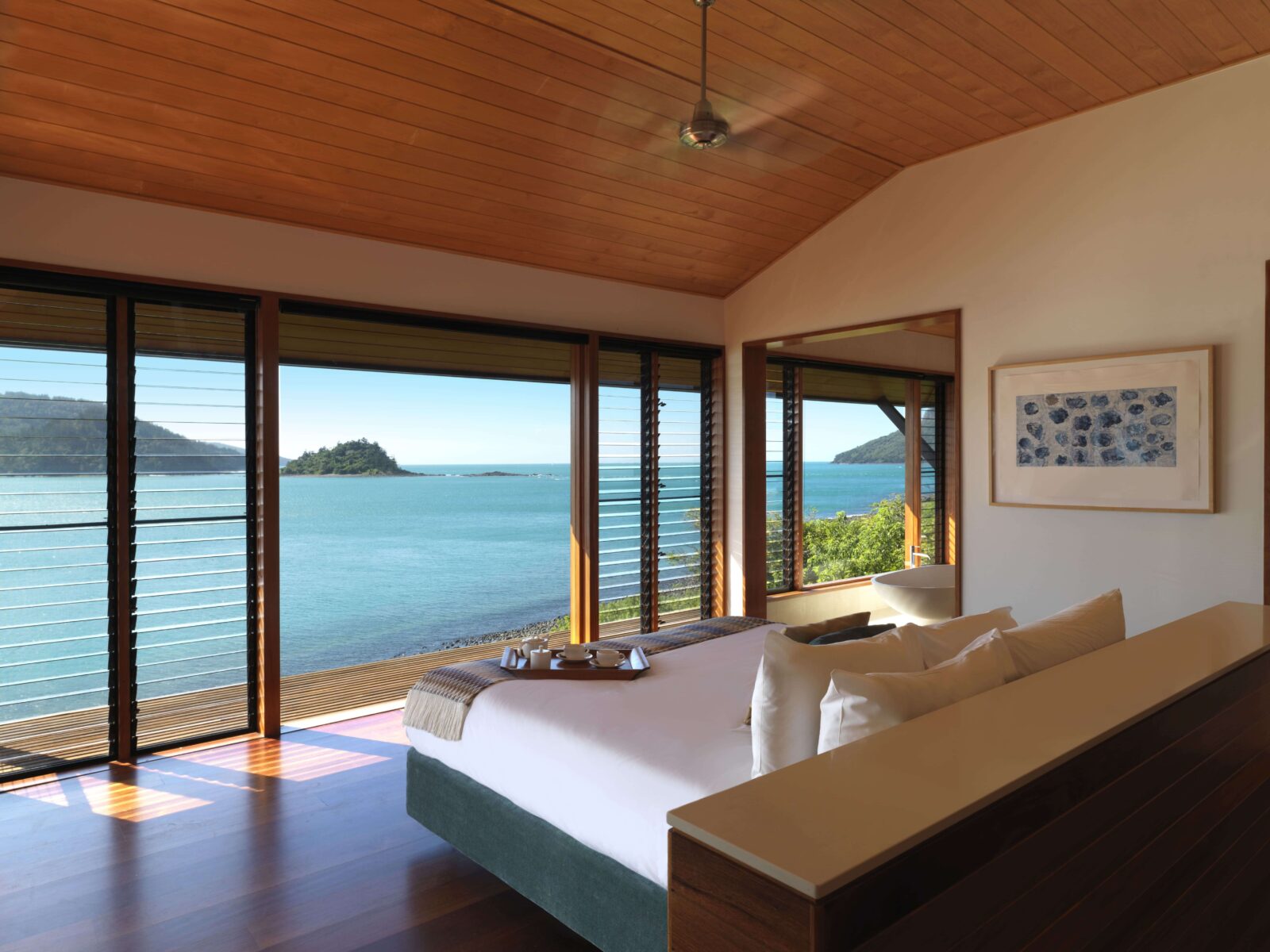
We choose on ground-floor access, the walk from room to dining room, and whether the property can hold you for three nights without running out of things to do. Photography comes second.
Australia’s best lodges are small — commonly fifteen to twenty-five suites — which means the service is genuinely personal and the accessible rooms are genuinely scarce. Often there is one. We book early for that reason, and we confirm the room rather than the category.
Why Travellers Over 55 Choose Journey Earth

We Plan Pace as a Design Decision, Not an Afterthought
Transfer lengths, base changes and the empty afternoon are set before we pick a single hotel.
We Check Accessibility Against the Operator, Not the Brochure
Lifting limits, ramp widths, step counts and whether the dining carriage is reachable. Details like these decide the day.
We Will Tell You What to Skip
If something on your list costs more energy than it returns, you will hear that from us while there is still time to change it.
Frequently Asked Questions About Australia Tours for Seniors
What is the best time of year for seniors to visit Australia?
March to May and September to November. The south sits comfortably in the twenties, the tropical north is in its dry season, and you miss both the summer heat and peak domestic travel. If the reef and the Red Centre matter most, lean mid-year — Cairns averages under five rain days in August against sixteen in February.
How long should a senior trip to Australia be?
Between two and three weeks. Australia punishes short trips; Sydney to Perth alone is five hours in the air. Three weeks lets you hold each base for three or four nights, which is the difference between seeing the country and enduring it.
Are Australian tours suitable for limited mobility?
Generally yes, with planning. There is usually an accessible route to the headline sights. The limits are specific, though — one reef operator’s crew lifting capacity is 20 kilograms, and remote lodges often hold a single accessible room. Tell us your actual distances and stairs and we confirm each element in advance.
Is the Ghan worth including?
For many travellers, yes. The Darwin to Adelaide Expedition runs four days and three nights across 2,979 kilometres of track, taking in Uluru and Coober Pedy without leaving the trip. There is an accessible cabin with its own ensuite, handrails and a shower chair, subject to a fitness-to-travel assessment.
Do you arrange travel insurance and medical cover?
We do not sell insurance, but we will tell you plainly what your itinerary requires. The Kimberley and the Red Centre sit a long way from a hospital, and any policy you buy should be checked for those areas. Australia’s cities have excellent healthcare.