
Most families who want both countries end up with a trip that fights itself. The reef wants the middle of the year; New Zealand’s lakes want December. Add a trans-Tasman flight, two sets of entry paperwork and a school-holiday calendar in each country, and the order you do things in stops being a preference and becomes the whole plan. This is the page where we say the hard part out loud. Our designers sequence the two halves so the weather, the flights and your children’s stamina all point the same direction.
Designed With You in Mind
- Who it suits: families with primary-age children through teenagers who have the time to do both countries once, properly
- Where we take families: the Great Barrier Reef, Uluru and Sydney in Australia; Rotorua, Waitomo and Queenstown in New Zealand
- When to go: late September into November, the one window where the Australian north is still dry and New Zealand has warmed up
- What we take off your hands: the trans-Tasman routing, both countries’ entry requirements, private guides in each, and the running order that makes the seasons work
- How far ahead to plan: twelve months. Two countries means two sets of scarce family rooms, and they do not release together
Australia & New Zealand: Curated Destinations for Families
Six places is the realistic ceiling for a first combined trip, and even that needs three weeks. Fewer is better. We would rather give you three nights in each of four places than a photograph from all six.
The Great Barrier Reef
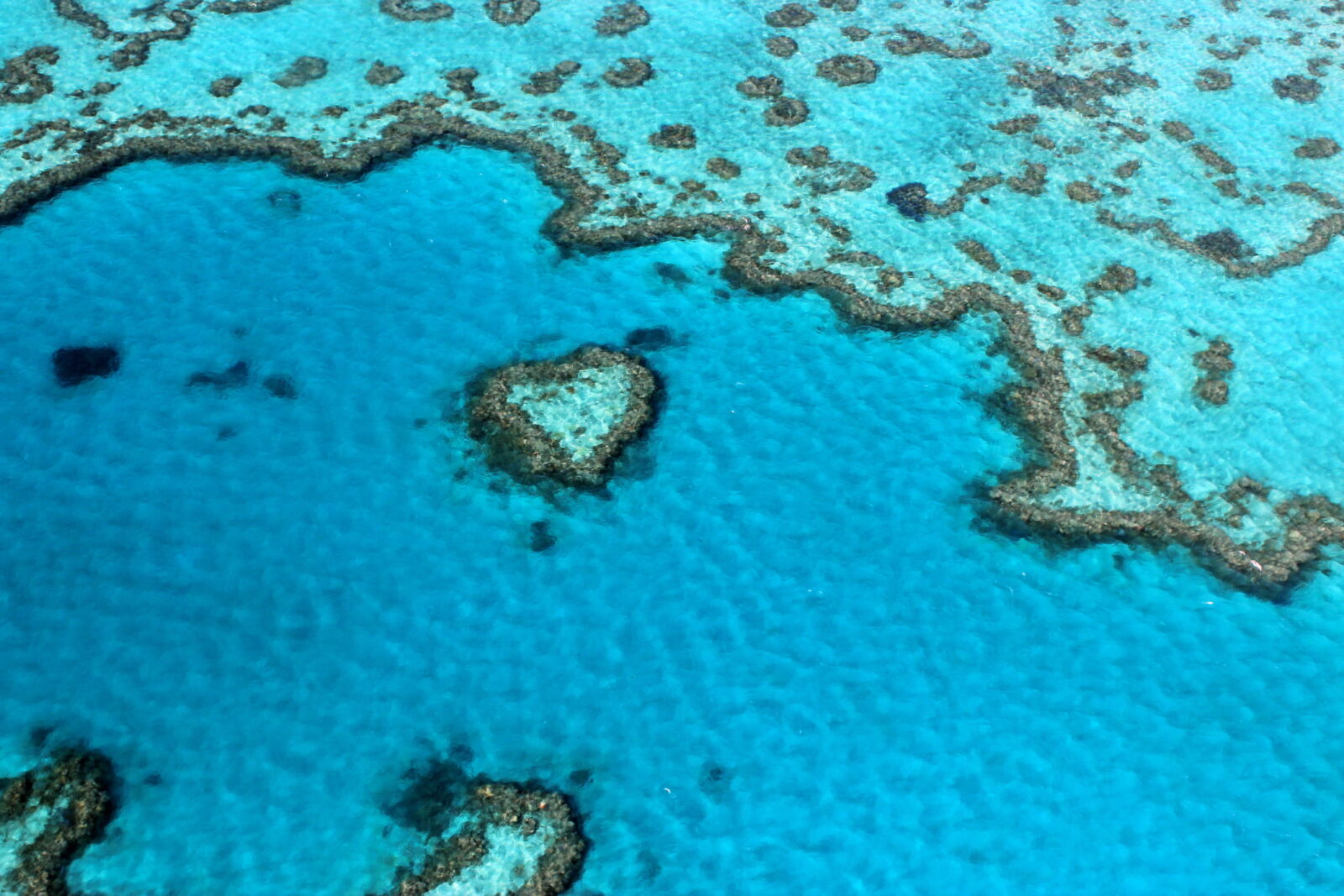
Small charters rather than pontoons, with a marine biologist in the water. Cairns averages under five rain days in August against sixteen in February, and 3pm humidity bottoms out at 56 per cent — which is why we put the reef in the Australian dry season and not at Christmas.
The Great Barrier Reef
Uluru and the Red Centre
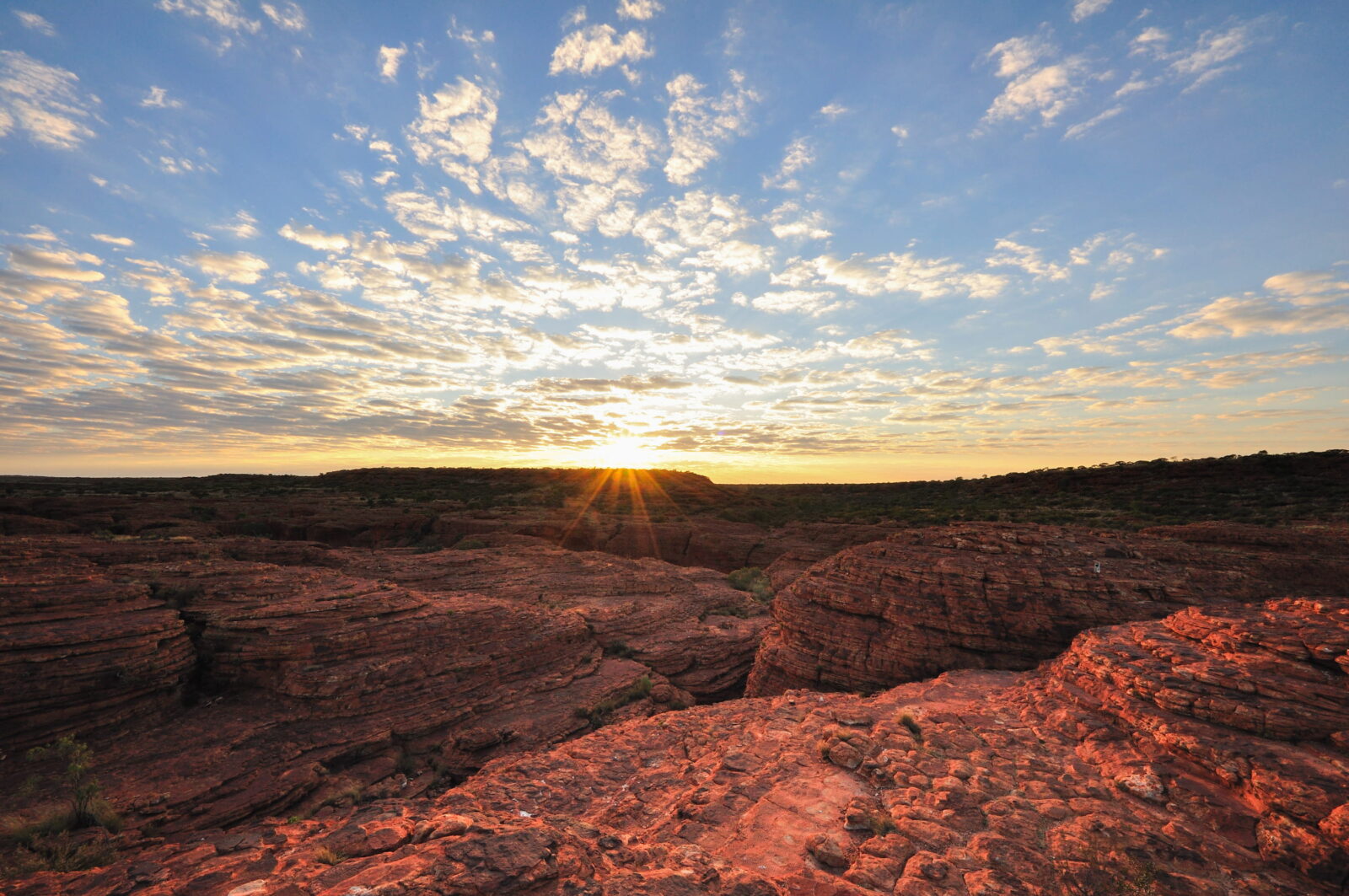
The free ranger-guided Mala Walk runs year-round: two kilometres, ninety minutes, flat. Sydney to Uluru is three and a half hours direct, the airport sits 25 kilometres from the rock, and free coach transfers meet every flight — there are no taxis or ride-shares at Yulara.
Uluru and the Red Centre
Sydney
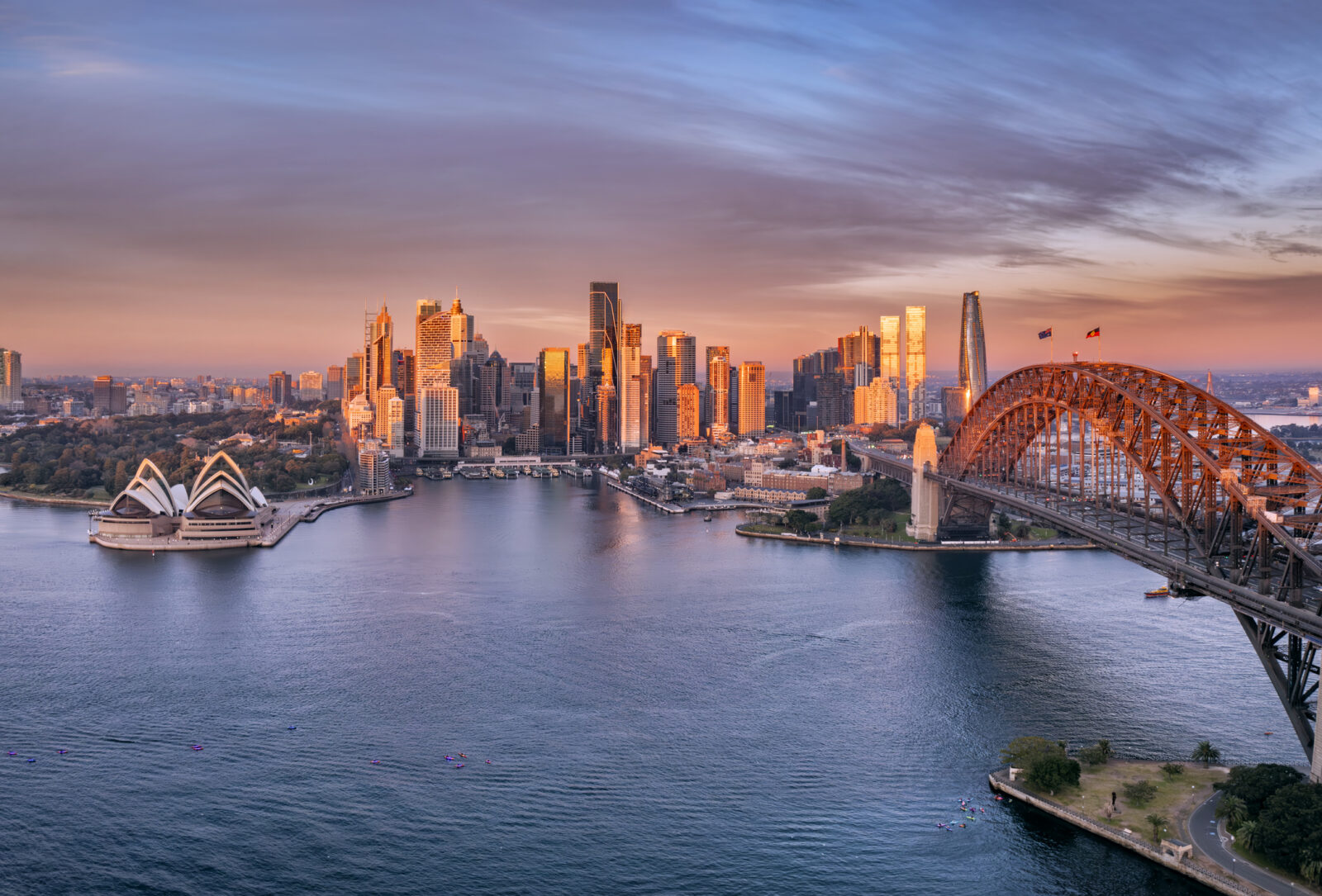
The arrival city and the recovery day. Harbour swimming, a private boat instead of a ferry queue, and museums that hold a wet afternoon. Sydney and Auckland sit within about two degrees of each other in both January and July, which makes it the natural hinge between the two halves.
Sydney
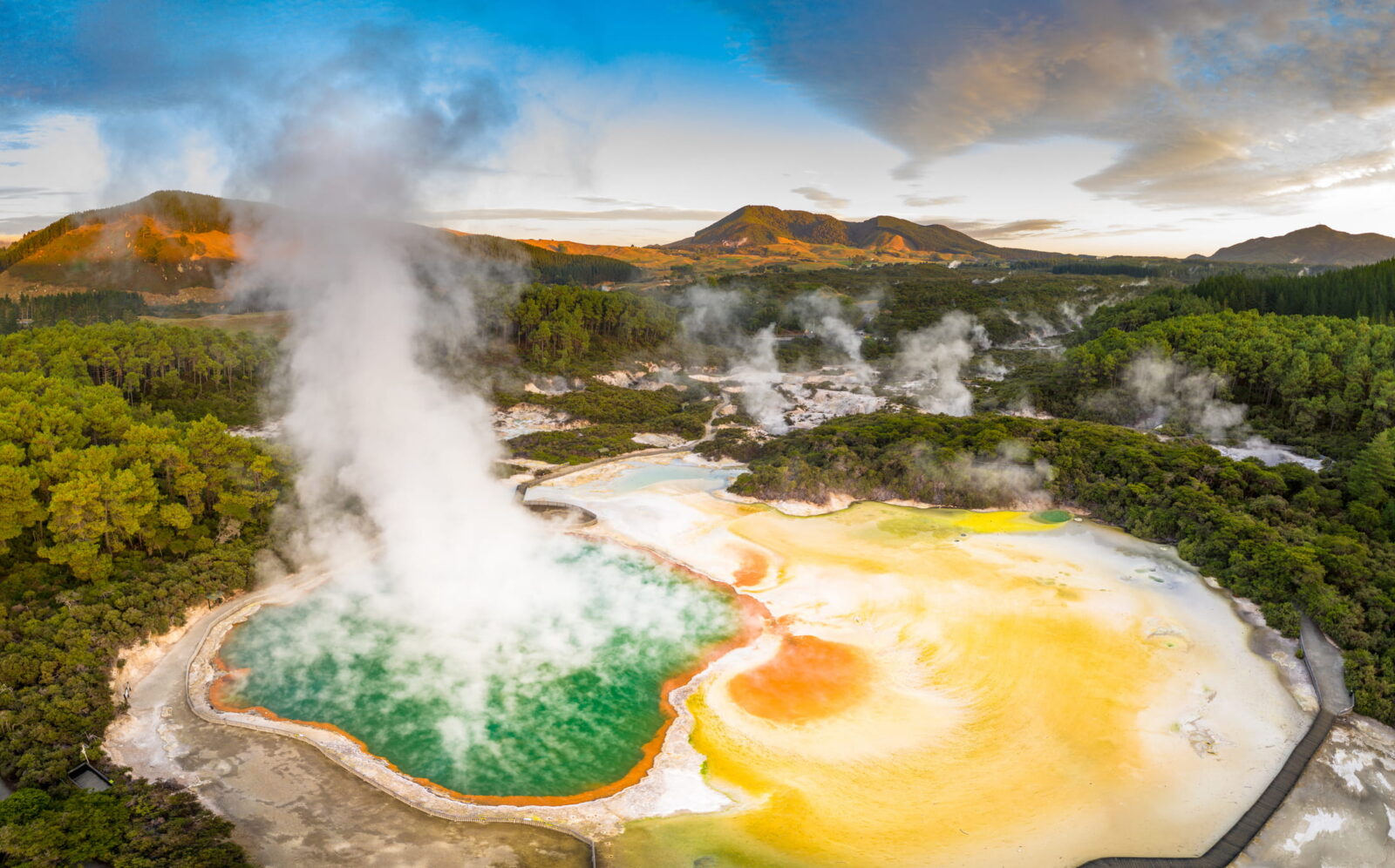
Rotorua
Steaming ground, and the crust beneath the Taupō Volcanic Zone may be as little as 12 kilometres thick. One of the geothermal parks runs a train back up from the valley floor — a detail that matters at four in the afternoon with tired children.
Rotorua
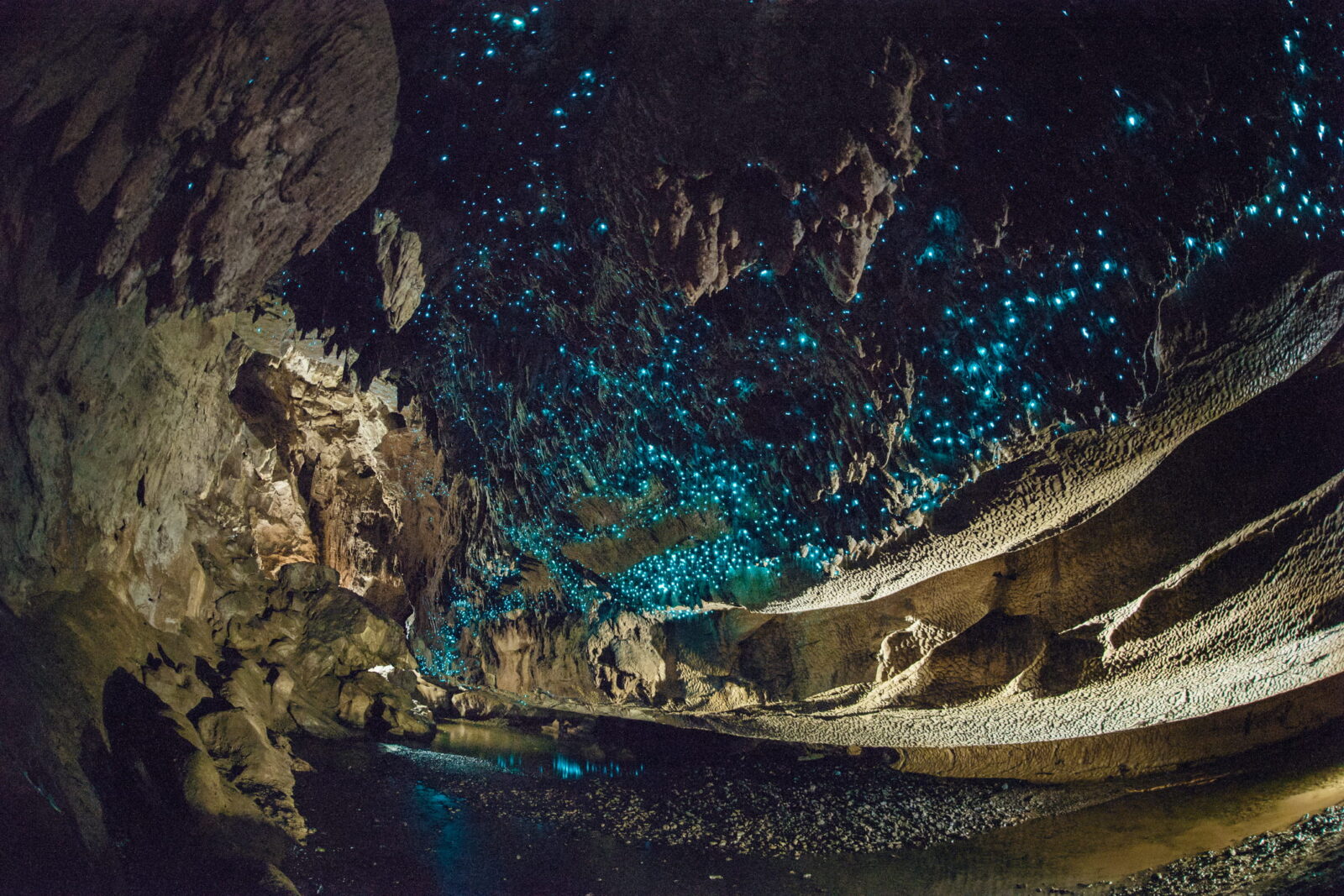
Waitomo
There is more than one cave, and the famous one is not the one to book. A neighbouring cave runs two hours, admits pushchairs under 65 centimetres, and allows cameras, where the glow-worm boat trip has stairs and bans photography. Small-group operators cap at a dozen and take children from four.
Waitomo
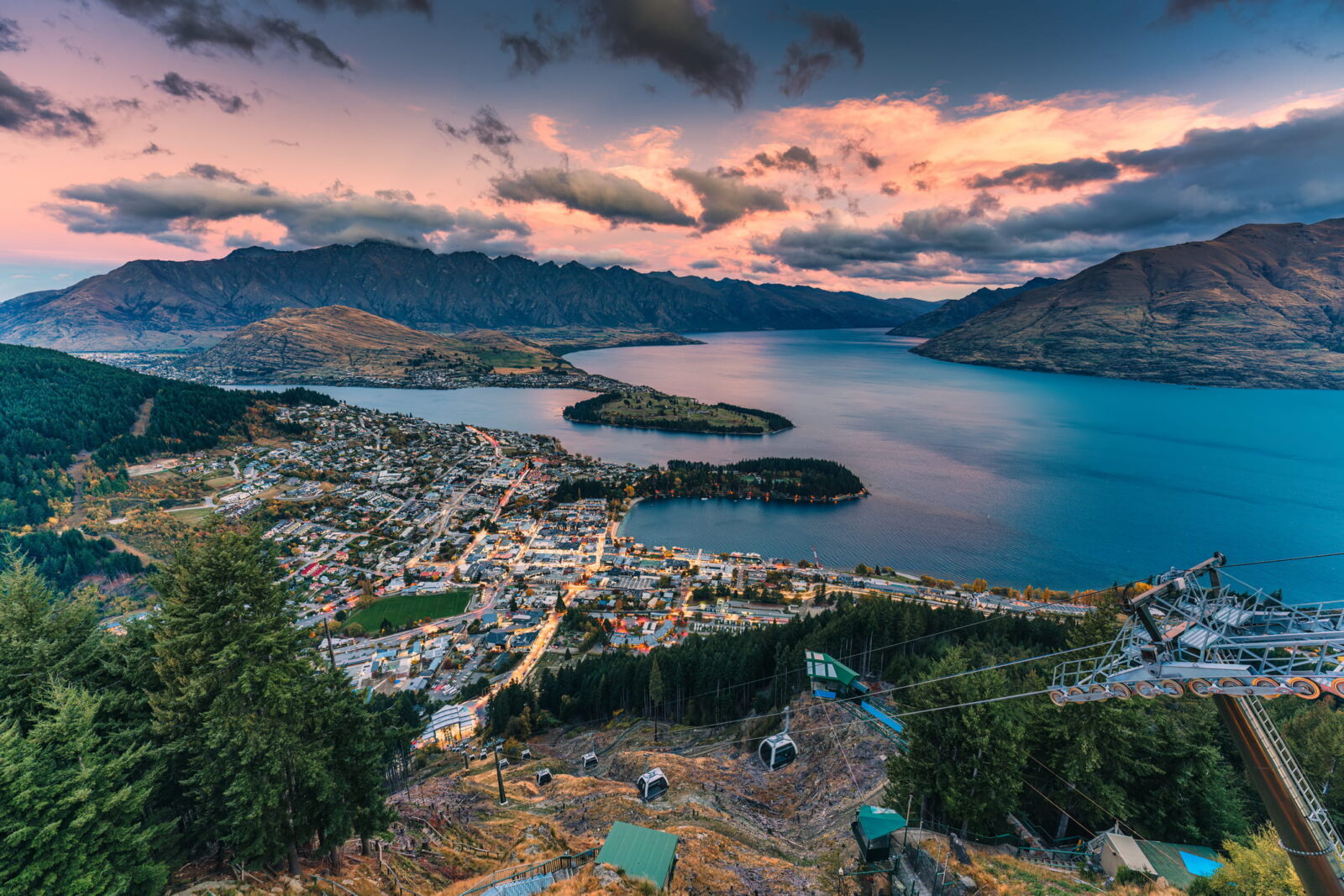
Queenstown
Lake days, short drives and adventure with honest age gates. Shotover Jet sets no minimum age but does set a one-metre height rule, with under-tens beside an adult. Wānaka is an hour over the Crown Range, though from May to September we usually route via Cromwell.
Queenstown
How Journey Earth Works
Your Family's Journey, Made Your Way
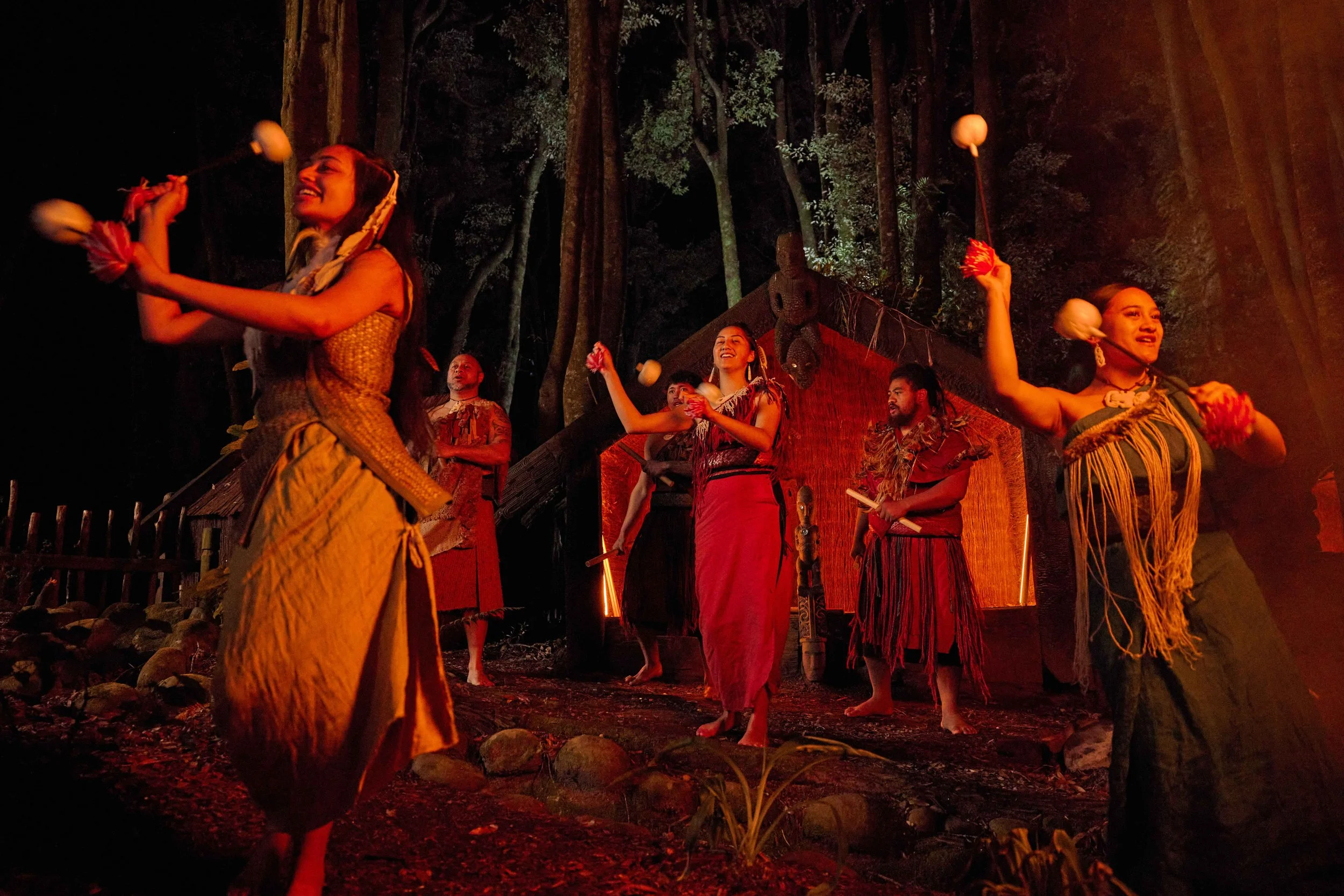
Owned and led by the people whose culture it is, in both countries. Kuku Yalanji guides take about a dozen at a time through the Daintree. In New Zealand, we arrange traditional pōwhiri welcomes, poi dance performances, and hāngī feasts where your children take part rather than watch.

Two very different wine countries and both work with children when there is a driver and a long lunch. The Barossa runs 550 growers across 14,222 hectares; Marlborough gets 2,475 sunshine hours on 650 millimetres of rain, the sunniest town or city in New Zealand.

Reef days on small boats with stinger suits from size 2 — lycra is mandatory on the good northern operators from November to May. Then Abel Tasman by water taxi, where Anchorage to Bark Bay crosses an estuary passable two hours either side of low tide.
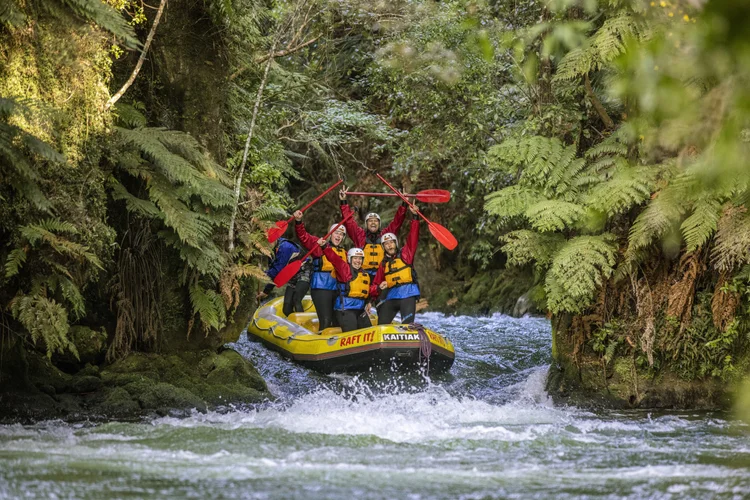
Graded honestly in both countries. Reef helmet dives start at twelve years and 135 centimetres; New Zealand’s black-water rafting starts at twelve and 45 kilograms, or sixteen for the harder trip. We match each activity to the child and say when a teenager is ready and a younger sibling is not.
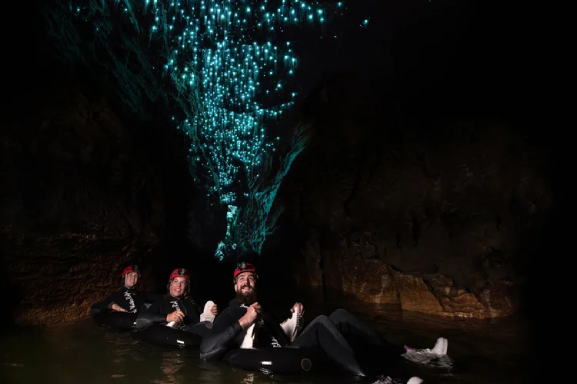
Australia gives you sea lions on a 900-metre boardwalk at Seal Bay and quokkas on Rottnest, 25 minutes from Fremantle. New Zealand offers sperm whales at Kaikōura year-round and millions of bioluminescent larvae lighting up the subterranean Waitomo Glow-worm Caves—all with no snakes or dangerous land animals anywhere.
Learn more about our Combined Australia & New Zealand Tours.
Where You Stay, in Both Countries
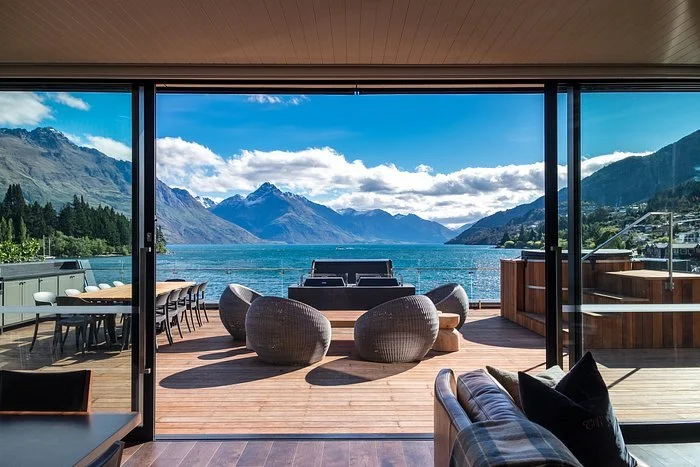
Family rooms are the scarcest thing in Australasian luxury accommodation, and a two-country trip needs them twice. Australia’s best lodges run fifteen to twenty-five suites; New Zealand’s are often under twenty rooms, and several of the loveliest do not take children at all.
We know which is which in both countries, and we book the interconnecting rooms first — they go before anything else. Where a lodge is the wrong answer, a lakefront villa or a station stay usually is: space, a kitchen, and somewhere for kids to be outside until dark.
Why Families Choose Journey Earth for Both Countries
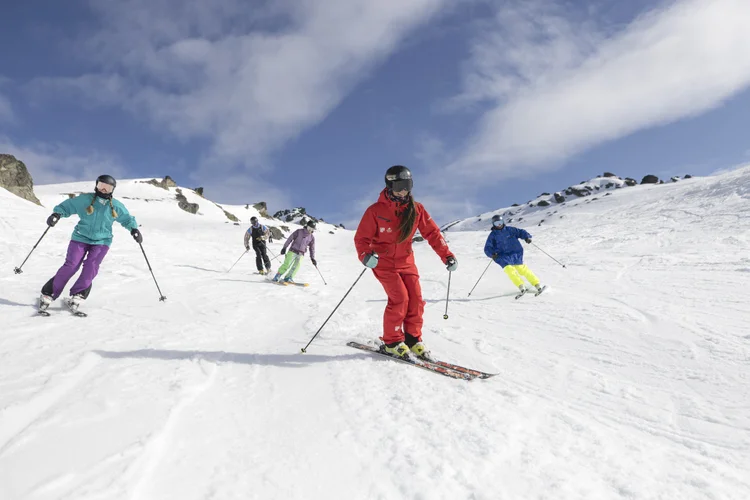
We are Based in Australia and Plan New Zealand Getaways Daily
One team, one time zone, both halves — not a booking passed between two agencies.
We Sequence for Weather, Not Brochure Order
The reef and the Southern Alps want different months, and getting that wrong is the most common way a combined family trip disappoints.
We Will Tell You to Do One Country
Under three weeks, an outstanding fortnight in one place beats a hurried lap of two.
Frequently Asked Questions About Australia & New Zealand Family Vacations
How long do we need for both Australia and New Zealand with children?
Three weeks is the honest minimum, and four is better. Each country alone justifies a fortnight, and the trans-Tasman flight plus internal legs eats close to two days. Under three weeks we would build one country properly instead.
What is the best time of year to visit both countries in one trip?
Late September into November. Australia’s cyclone season runs November to April and the tropical wet arrives from late October, so the reef and the Red Centre want mid-year — which is when the South Island is cold. That late-spring overlap is the one window serving both.
Which country should we visit first?
Usually Australia, because the long-haul flight lands there and Sydney is a gentle first week. It also puts the reef and the Red Centre before the alpine half, so children are freshest for the early starts. We reverse it if your dates give New Zealand better weather.
What paperwork do we need for both countries?
Australia requires an ETA or eVisitor depending on your passport. New Zealand requires an NZeTA, currently NZ$23 online or $17 in the app, plus the NZ$100 International Visitor Levy — allow 72 hours. Everyone submits the NZ Traveller Declaration from 24 hours before travelling. Australian citizens are exempt from both; Australian permanent residents are not.
Is there anything we should not pack?
New Zealand’s biosecurity rules are strict and carry an instant NZ$400 infringement fine. All food must be declared, cooked or not, and hiking boots, tents and sports equipment are a listed risk category because of soil — so clean the family’s walking shoes before you fly.