
This is the trip a lot of people have been dreaming of for decades, and it is also the easiest one to get wrong. Two countries in one itinerary usually means twice the flights, twice the packing and a fortnight that reads well on paper and exhausts everyone in practice. We build it the other way. Longer stays, fewer moves, the scenic train instead of the mountain road, and a running order set by the seasons rather than by the order the brochure listed them.
Designed With You in Mind
- Who it suits: travellers aged 55 and over with three weeks or more, including couples travelling with friends
- Where we take you: Tasmania, the Barossa and Sydney in Australia; Milford Sound, the TranzAlpine and Marlborough in New Zealand
- When to go: late September into November, or March into early May — the two windows where both countries are comfortable at once
- What we change: three-night minimum bases, capped transfer days, private guide-drivers in each country, and an accessible alternative behind every experience
- How far ahead to plan: twelve months, and further if a small lodge or a rail cabin is central to the trip
Australia & New Zealand, Privately Explored
Six is the ceiling and four is usually the better answer. Every internal flight you remove buys back a day you can spend somewhere worth being.
Tasmania
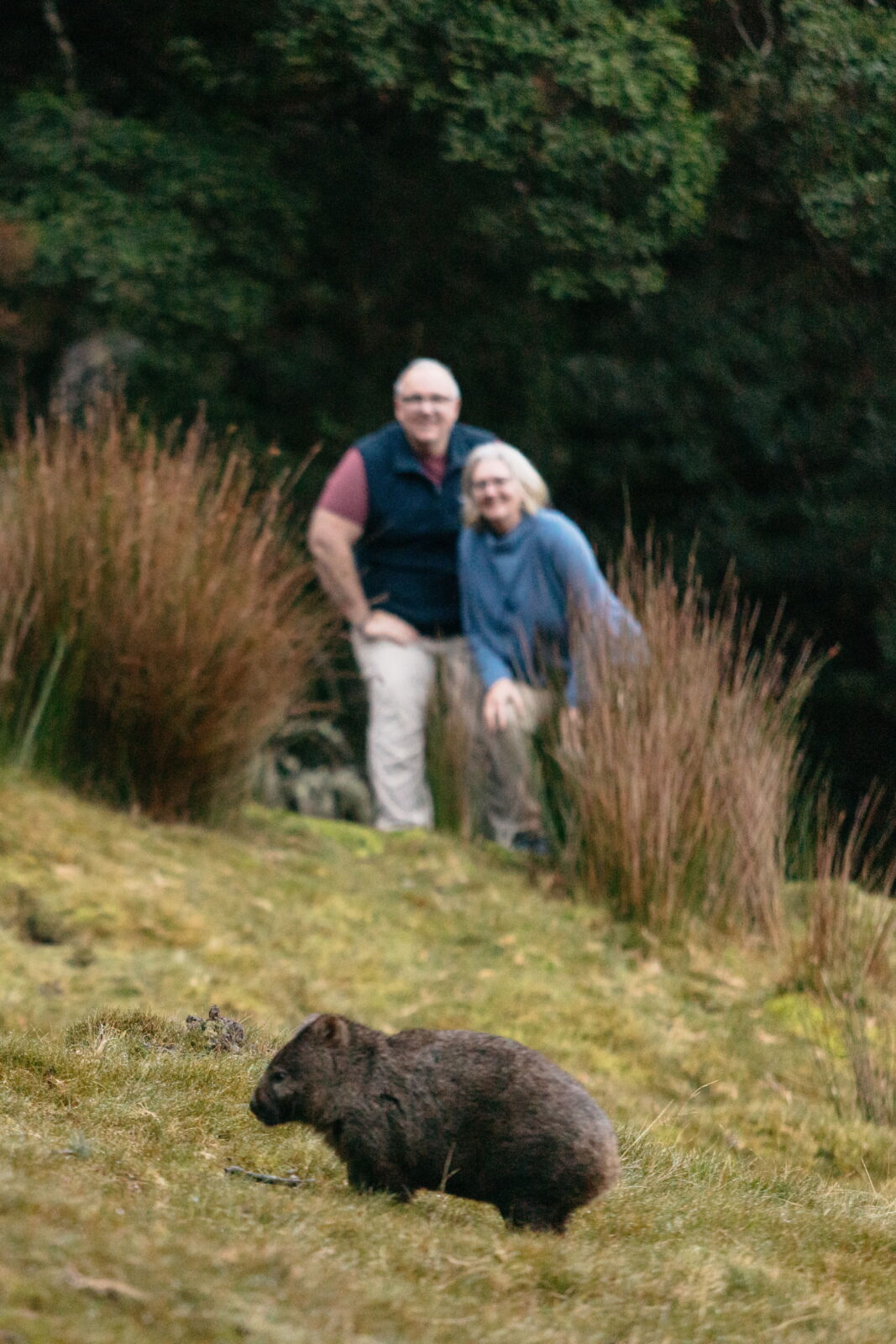
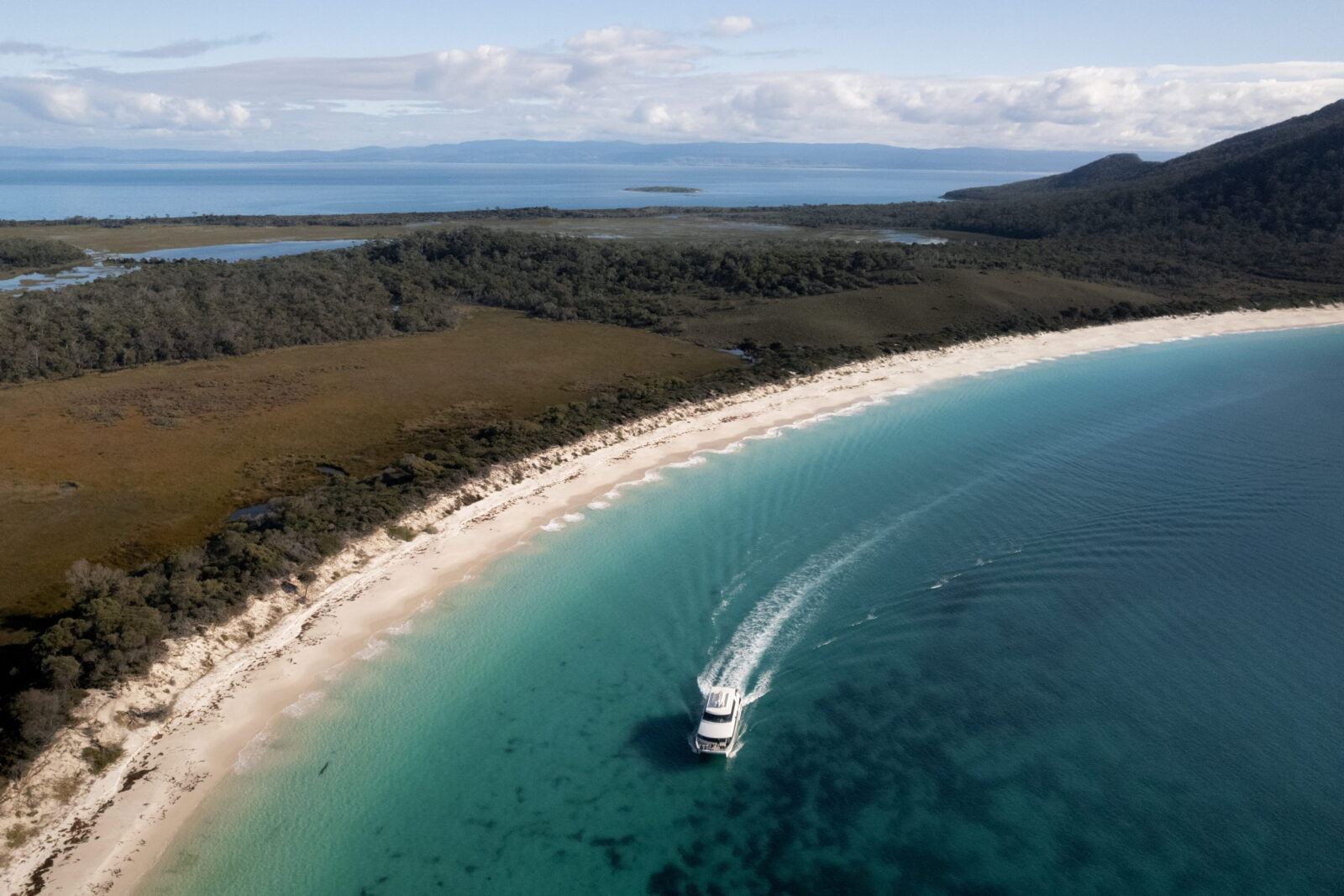
Quiet roads, the best food in Australia, and short graded walks that actually arrive somewhere. Distances are modest but not trivial — Hobart to Coles Bay is 2 hours 35, Launceston to Cradle Mountain 2 hours. Cradle’s Rainforest Walk is 431 metres of boardwalk and suits most independent wheelchair users.
Tasmania
The Barossa Valley
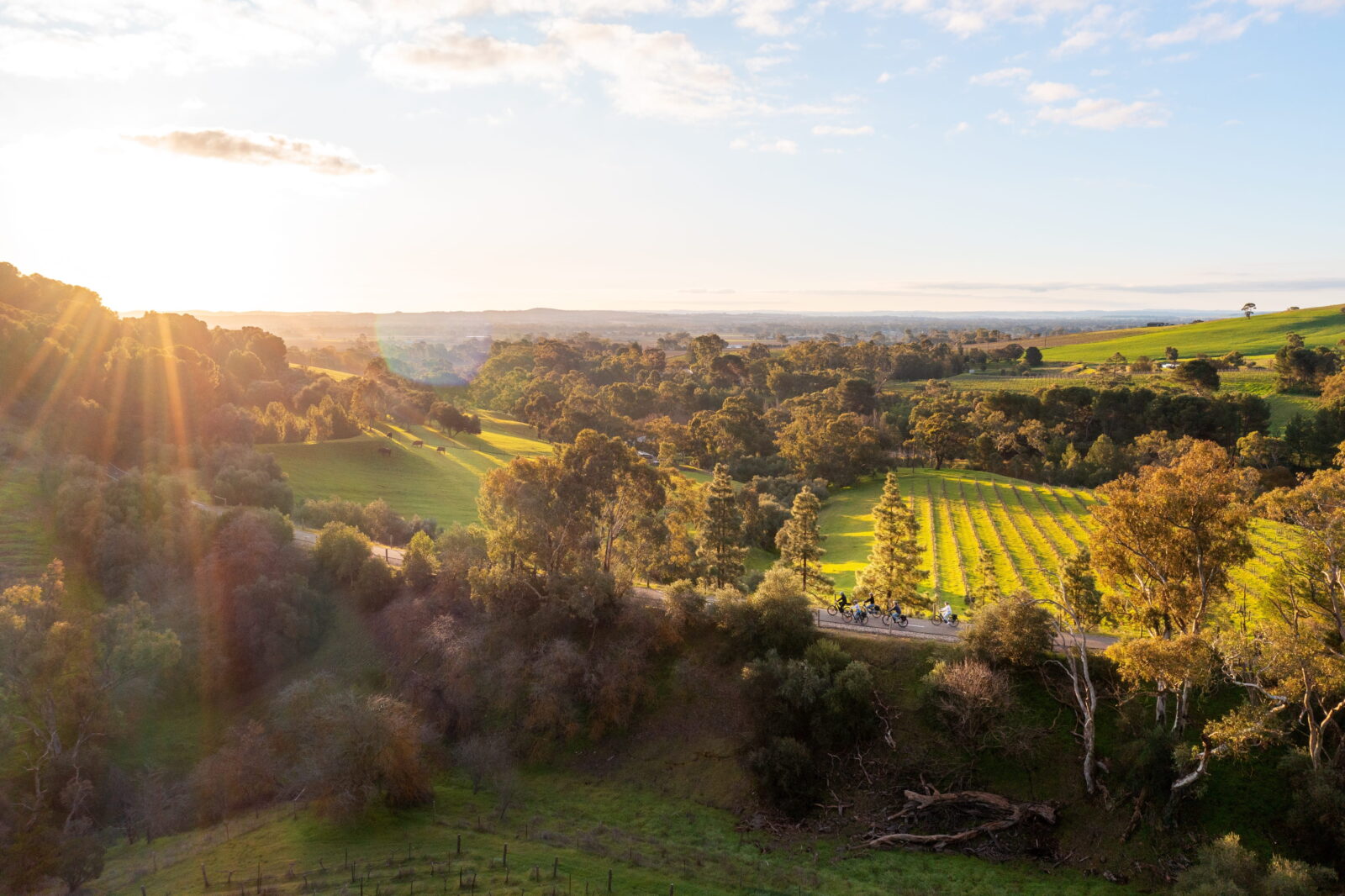
Long lunches with a driver waiting. The Old Vine Charter starts at 35 years and tops out at Ancestor Vines of 125 or more, with a few plantings dating to the 1840s and 50s and still standing on their original roots. Autumn days sit between 17 and 26 degrees.
The Barossa Valley

Sydney
Two or three nights to recover from the long-haul flight before anything is asked of you. A private boat on the harbour rather than a ferry, and dinner somewhere you are not shouting over the room.
Sydney
Milford Sound
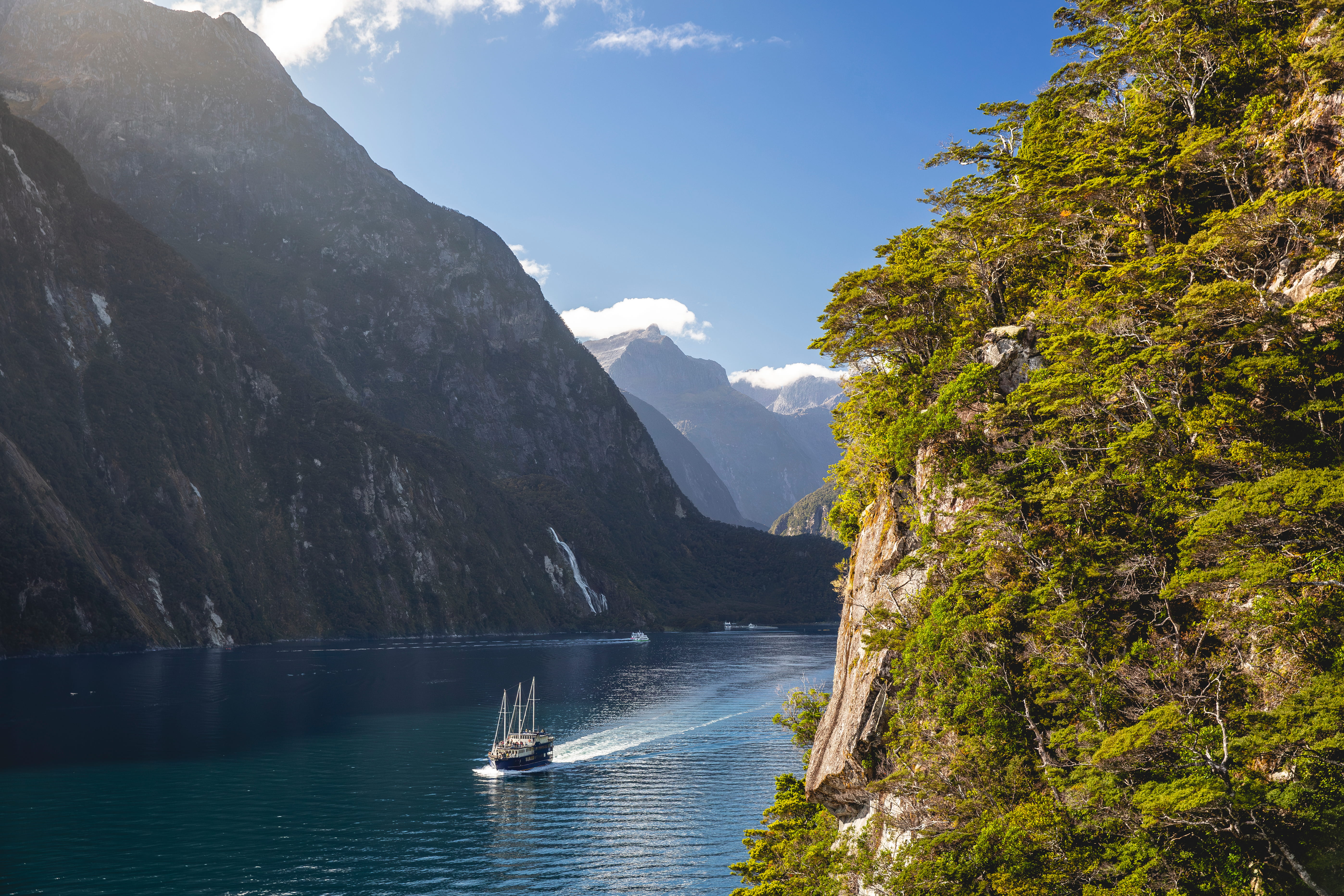
Reachable by anyone, and the vessel is the entire decision. Accessibility varies sharply between operators — one company’s most accessible ship takes mobility scooters on 150-centimetre ramps while another has no ramps at all, and no Milford vessel has a lift between decks. We also fly one leg where the four-and-a-half-hour road journey does not appeal.
Milford Sound
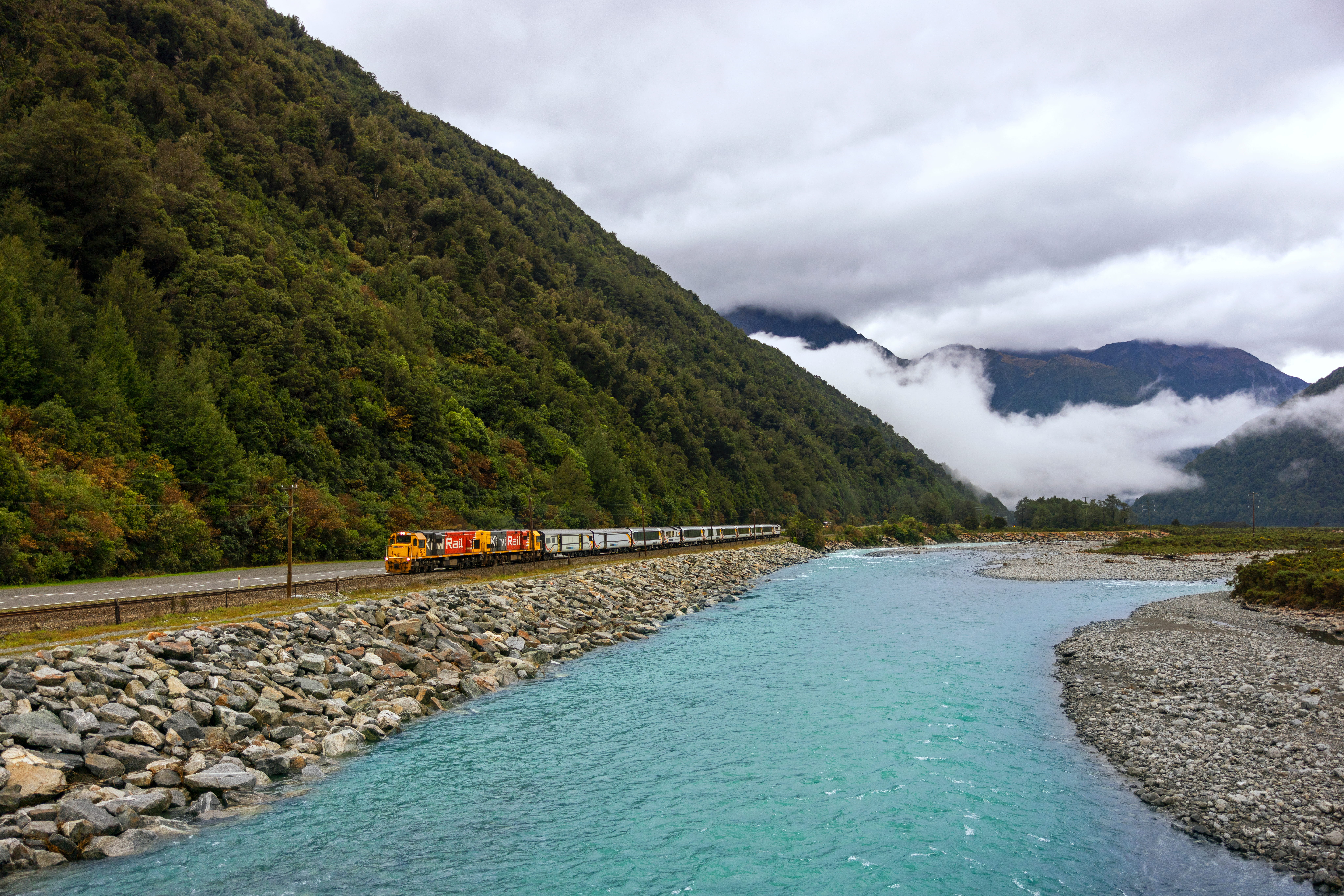
The TranzAlpine
A full day across the Southern Alps with no walking in it. The climb from Kowai to Craigieburn required fifteen tunnels and four viaducts, and the Staircase Viaduct stands 73 metres up. One caution worth having in advance: the standard carriages are wheelchair accessible, the premium dining carriage is not.
The TranzAlpine

Marlborough
The sunniest town or city in New Zealand — 2,475 sunshine hours against 650 millimetres of rain. Small cellar doors, the winemaker often pouring, and short distances between them. Harvest runs February into March.
Marlborough
How Journey Earth Works
Your Journey, Made Your Way
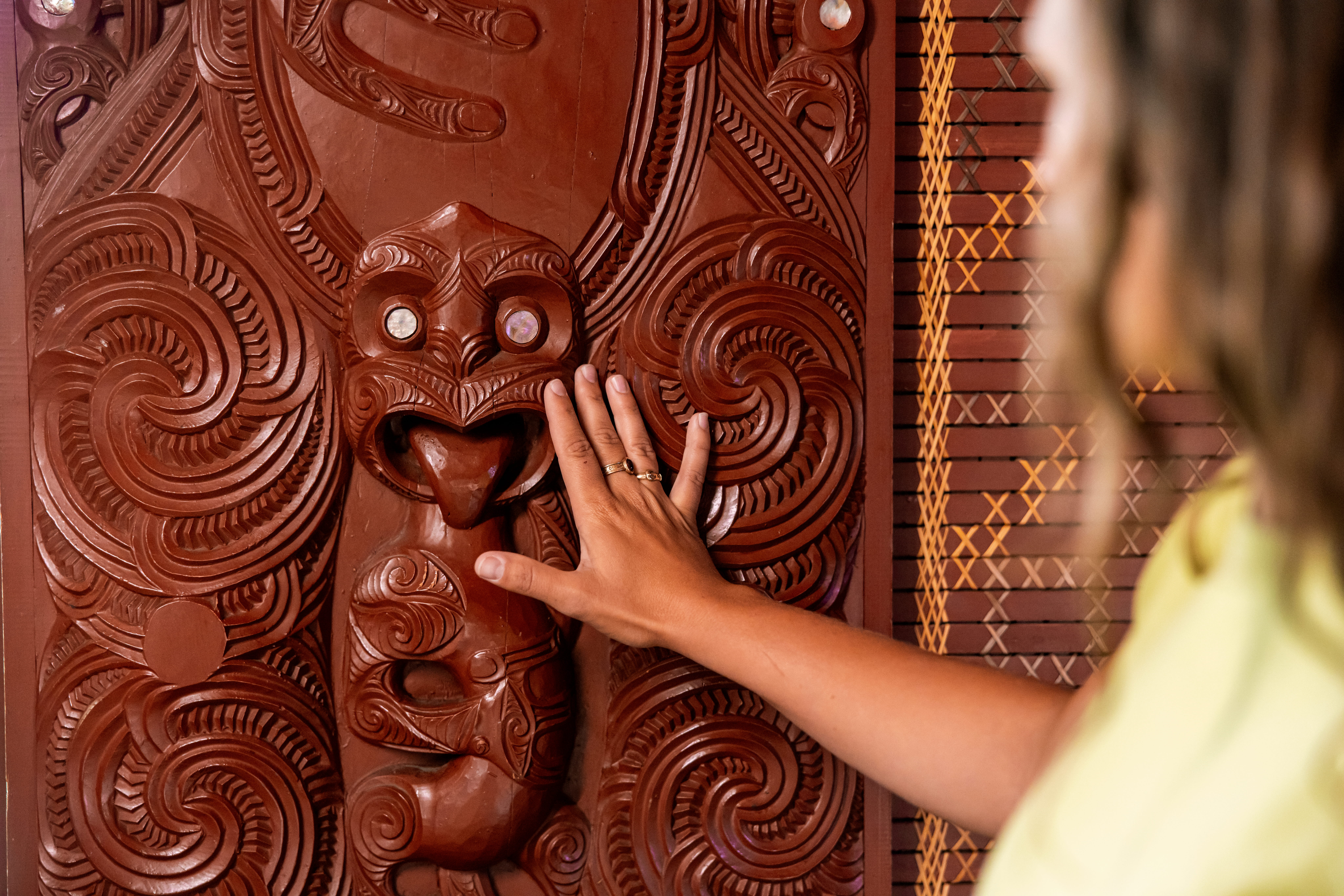
Named and properly owned in both countries. At Uluru, the dot-painting session runs through the Mutitjulu community’s own art centre, where artists take half the sale price. In New Zealand, sacred sites are walked with the people who hold the stories.

The Barossa and the Yarra, then Marlborough and Central Otago. Central Otago runs six subregions and Bannockburn can harvest a month ahead of Gibbston. We book privately where the vineyard allows it, which turns a counter visit into a conversation.
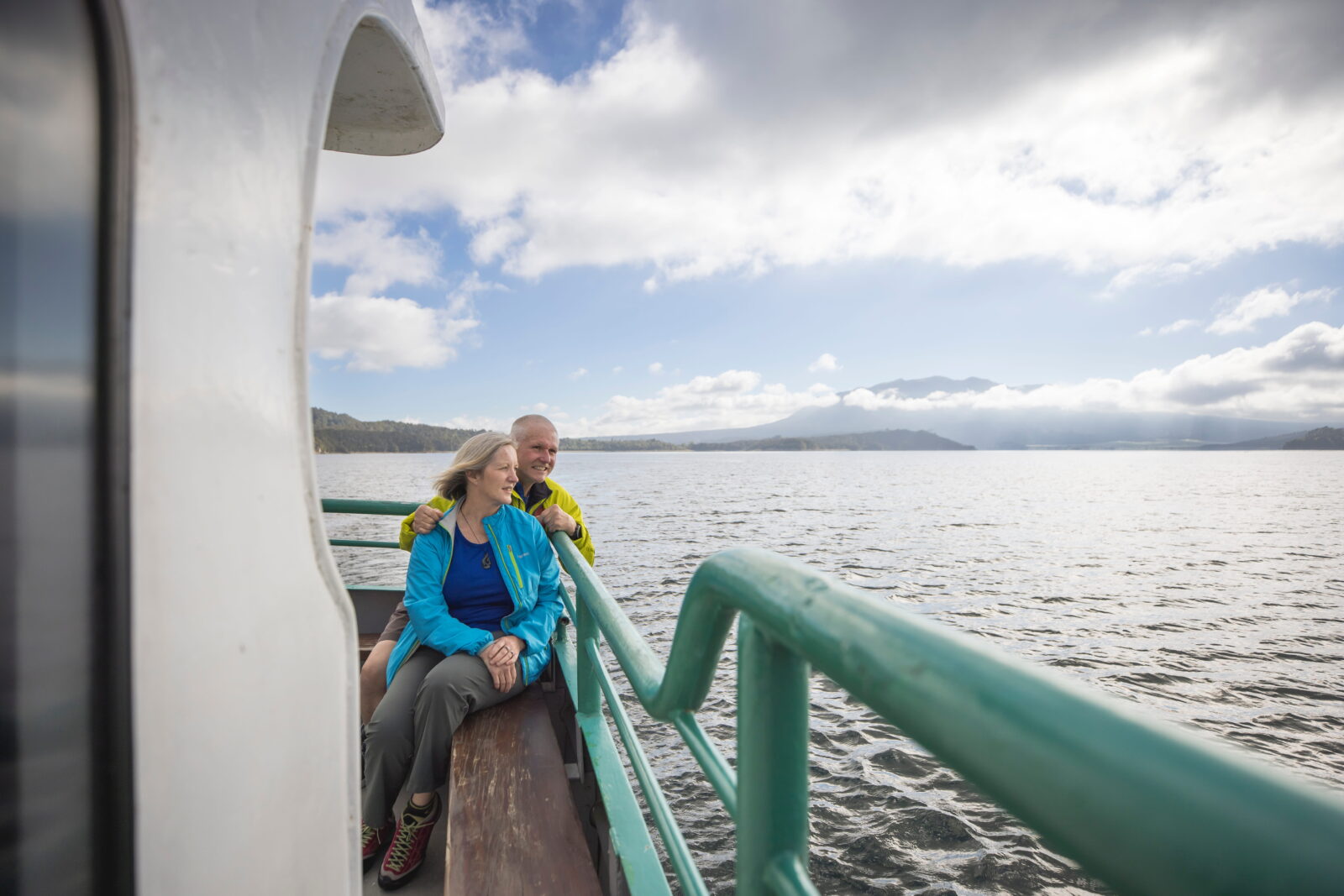
Sheltered water and level ground. Sydney Harbour, the Great Ocean Road timed for late afternoon once the buses have gone, then the Marlborough Sounds and the Milford Foreshore Walk — thirty minutes, and listed by the Department of Conservation as wheelchair accessible.
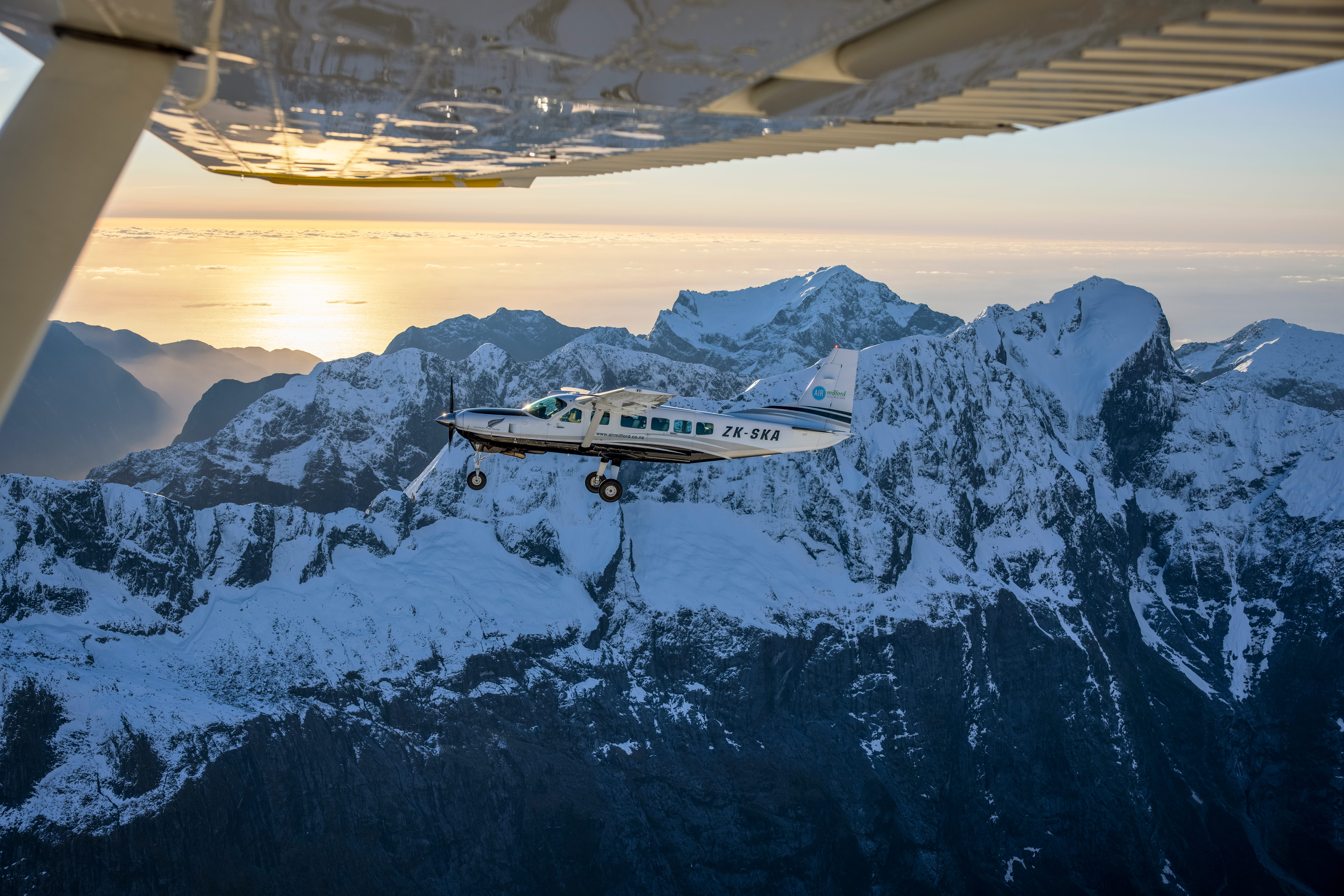
Access, not exertion. The glacier operators will let you remain in the aircraft during the snow landing if you tell them beforehand, which puts a New Zealand glacier within reach of travellers who cannot walk on one. In Australia, a scenic flight covers Kimberley gorges that would otherwise cost three days of four-wheel driving.
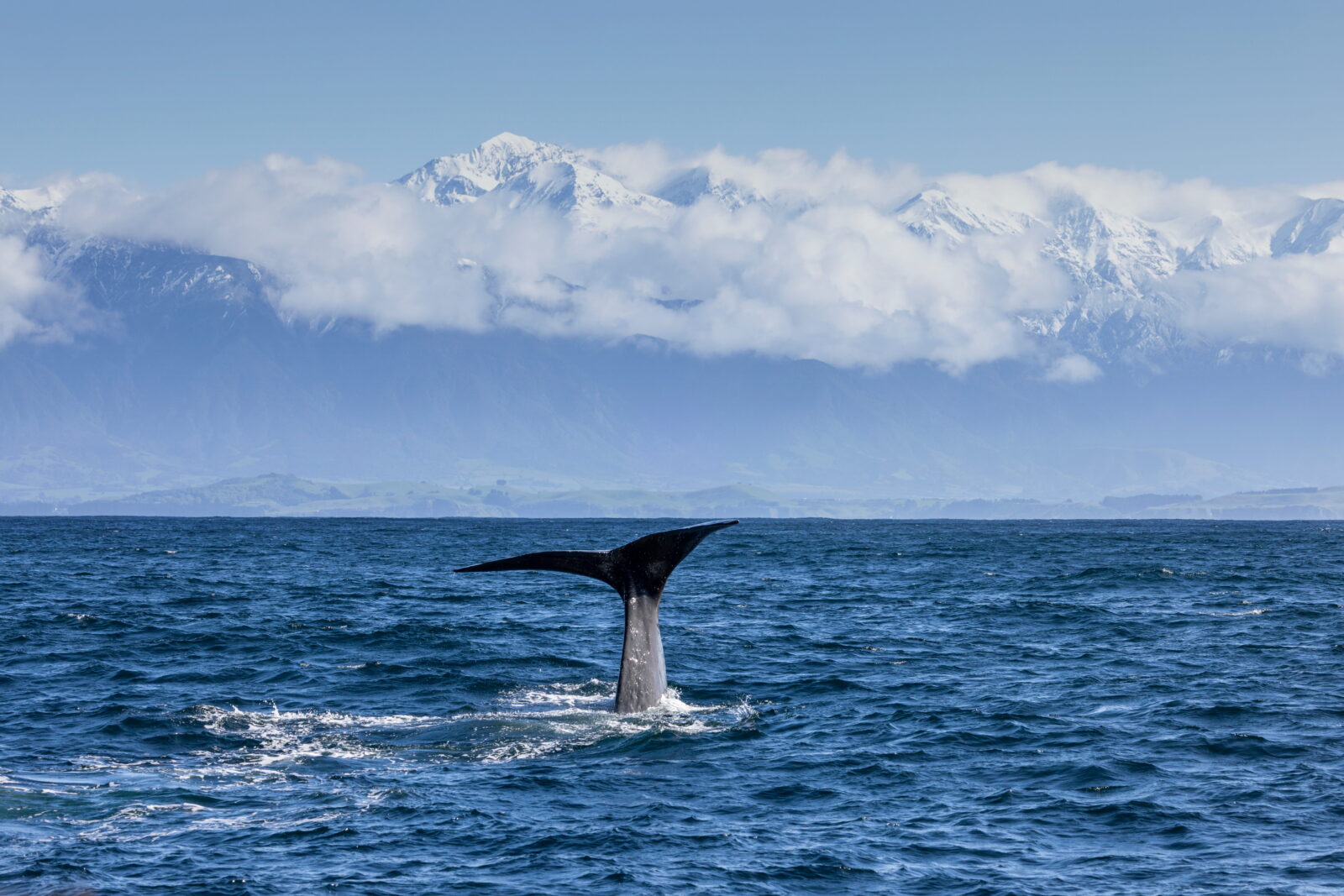
Seal Bay’s 900-metre boardwalk sits above the third-largest Australian sea lion colony anywhere, with a roaming guide. At Kaikōura, sperm whales are present all year — and the Department of Conservation notes there is nowhere else in the world the species is routinely found this close to shore.
Explore our Combined Australia & New Zealand Tours.
Where You Stay, in Both Countries
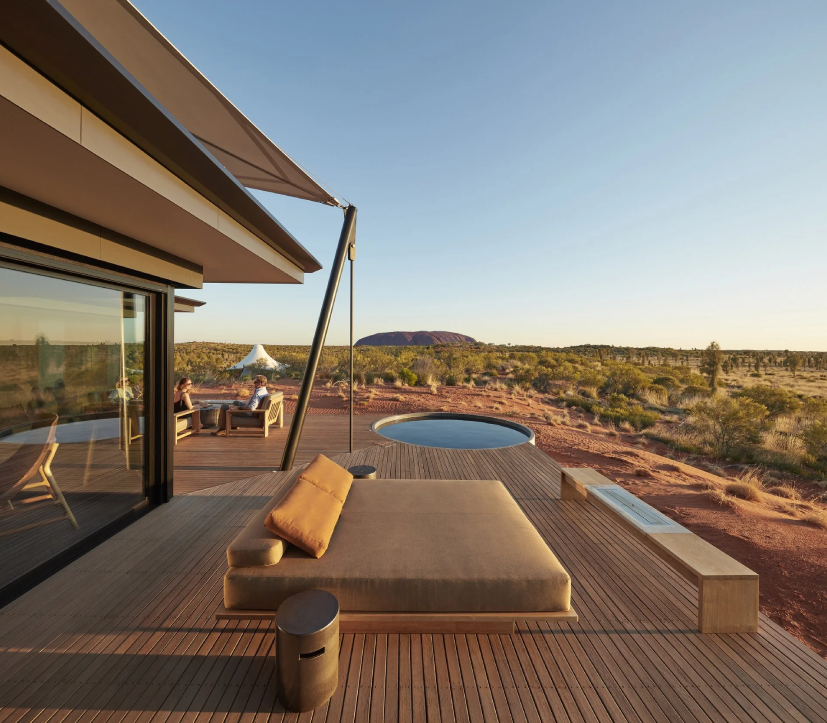
We choose on ground-floor access, the walk from room to dining room, and whether the property can hold you comfortably for three nights. Photography comes second, in both countries.
The constraint is the same on each side of the Tasman: these lodges are small. Australia’s best run fifteen to twenty-five suites and New Zealand’s are often under twenty rooms, so the accessible room is frequently the only one. We book it early and we confirm the room itself, never the category.
Why Travellers Over 55 Choose Journey Earth

One Team Plans Both Countries
Not an Australian itinerary with a New Zealand booking bolted on by someone you never speak to.
We Check Accessibility Operator by Operator
Ramp widths, lifting limits, which dining carriage is reachable, which geothermal park has a train back up the hill. Several attractions marketed as accessible are not.
We Will Tell You to Cut One Country
With less than three weeks, one done well beats two done quickly, and you will hear that from us early.
Frequently Asked Questions About Australia & New Zealand Tours for Seniors
How long should a combined Australia and New Zealand trip be?
Three weeks minimum, four if you can. The median international visitor spends ten days in New Zealand alone, per MBIE’s International Visitor Survey for the year to March 2026. Two countries unhurried needs roughly double that.
When is the best time to see both countries comfortably?
Late September into November, or March into early May. The climates pull against each other — in July, Cairns sits near 26°C while Queenstown’s highs are between 3 and 11 — so the shoulder seasons are the only windows suiting both halves without packing for two trips.
Is the flying between them tiring?
Less than people expect. Auckland to Sydney is about three and a half hours, and Christchurch and Wellington are similar. What tires people is the internal flying at each end, so we cap it at one long leg per country with a recovery night either side.
Which experiences suit limited mobility across both countries?
More than you would think, though the detail varies by operator. Sydney Harbour, the Barossa, the Twelve Apostles boardwalks, Milford Sound on the right vessel, the scenic trains in their standard carriages, and helicopter landings you can stay seated for. We confirm each against the operator’s stated limits.
Do we need separate visas for each country?
Yes. Australia requires an ETA or eVisitor depending on your passport, and New Zealand requires an NZeTA plus the NZ$100 International Visitor Levy — allow 72 hours. Everyone submits the NZ Traveller Declaration from 24 hours before travelling. Australian citizens are exempt from both; permanent residents are not.