
A honeymoon here is one decision made well and about six made badly. The one that matters is which villa over which lagoon. The ones that go wrong are logistics — a boat that runs once a day, a helicopter that flies only at ten and two, an island needing two legs to reach. We are three or four hours away and we book these islands constantly, so we know which transfer costs you a morning and which room actually faces the water it claims to.
Designed With You in Mind
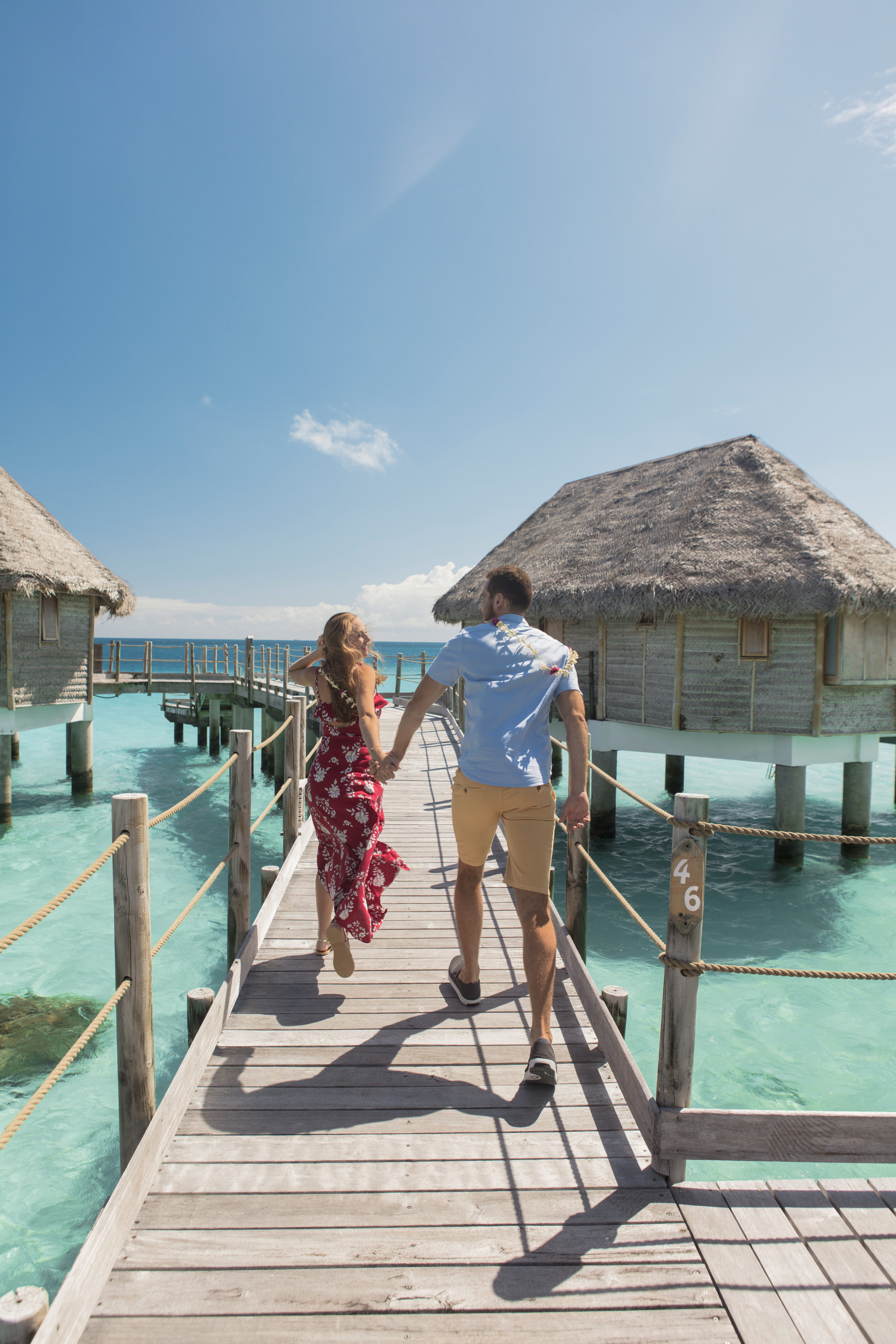
- Who it suits: honeymooners, anniversary trips, and couples who want the week to ask nothing of them
- Where we send couples: Bora Bora, Taha’a and Moorea in French Polynesia; the Mamanucas, the Yasawas and Vanua Levu in Fiji
- When to go: May to October, the dry season across both countries — calmer water, less rain, better snorkelling
- What we arrange: the villa rather than the room category, private transfers, adults-only properties where you want them, and a pace with nothing in it
- How far ahead to plan: ten to twelve months, and longer for a specific overwater villa — they are the scarcest rooms in the region
Six Islands Worth Building a Week Around
Two islands is a good week. Three is a busy one. The transfers between them are the reason, and the couples who enjoy this region most are the ones who resisted adding a third.
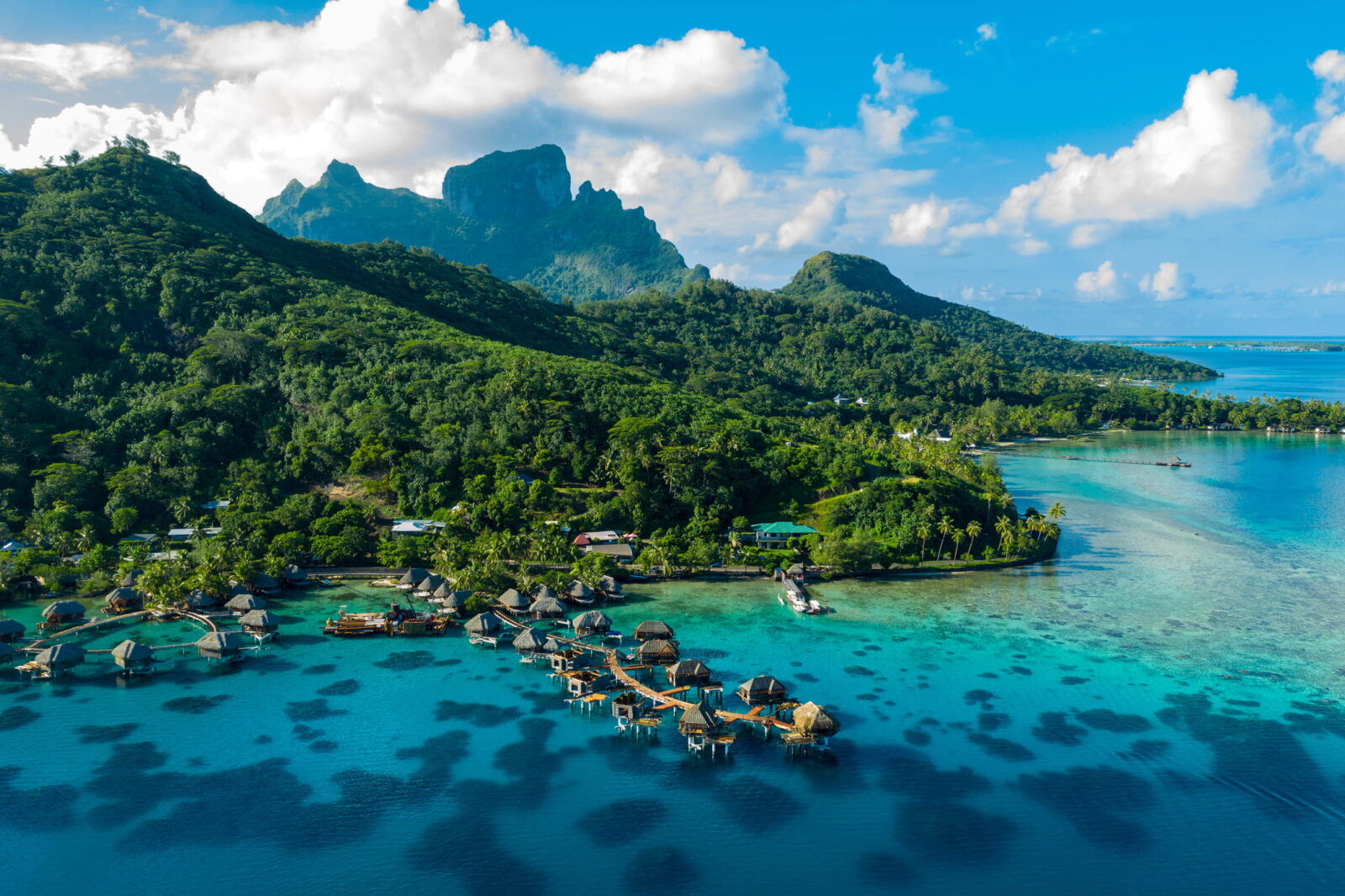
Bora Bora
The one everybody pictures, and it delivers. Fifty minutes by air from Papeete. The St. Regis has overwater villas from fifteen hundred square feet; Le Bora Bora holds two Michelin Keys. The airport sits on its own motu, so the boat leg sets your departure morning.
Bora Bora
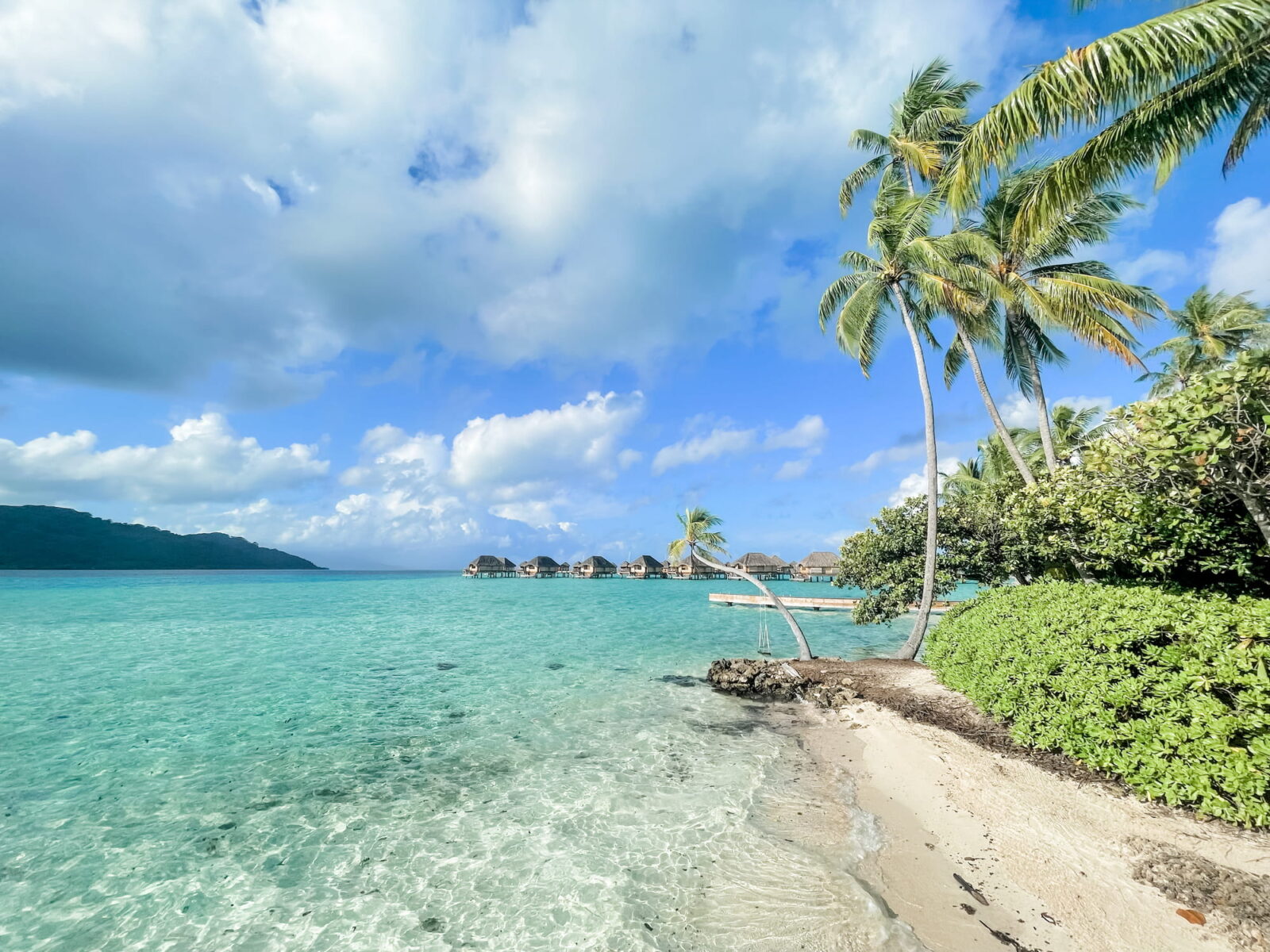
Taha'a
The seclusion play. No airport at all — you fly to Raiatea and take a boat about thirty minutes — and that friction is exactly why it stays quiet. Le Taha’a has fifty-nine suites and villas and faces Bora Bora across the water, so you get the view of the famous island without staying on it.
Taha’a
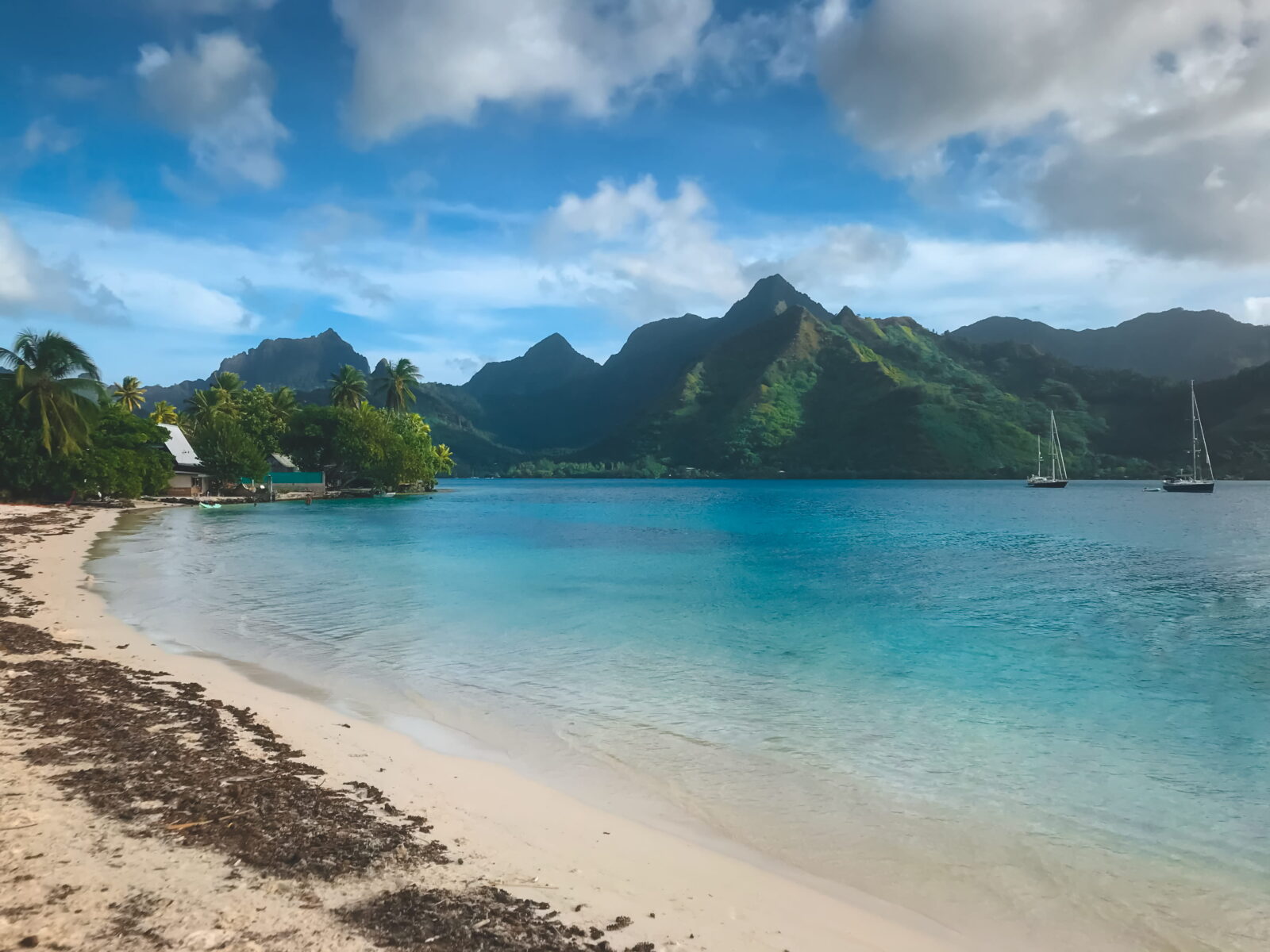
Moorea
Thirty minutes by ferry from Papeete, ten sailings a day, and the island with most to do on land. A 4×4 morning through the Opunohu valley takes in ancient marae and the Belvedere lookout. Cheaper than Bora Bora, and plenty of couples prefer it.
Moorea
The Mamanucas
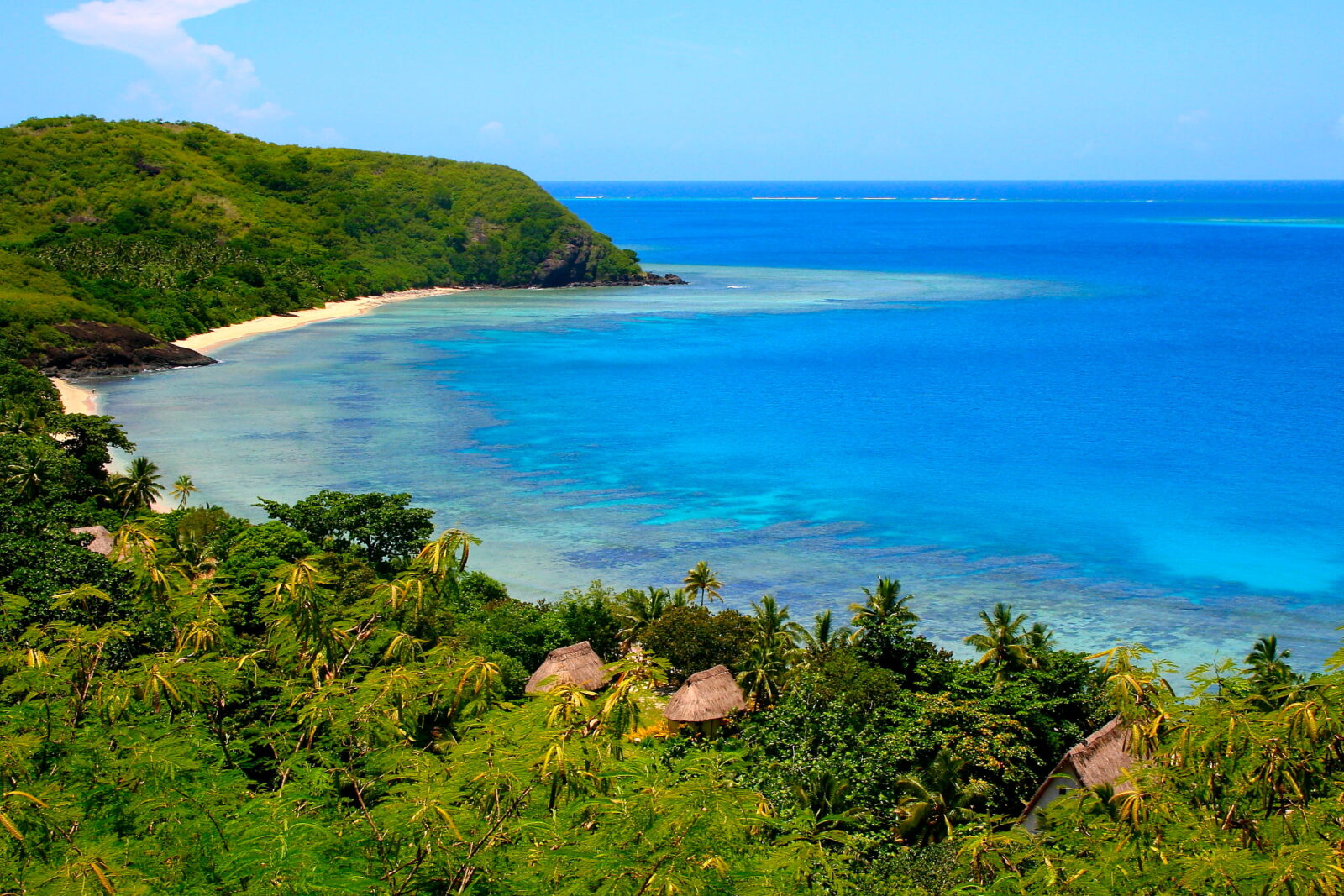
Fiji’s most accessible island group and where the country’s only genuine overwater bures are. Likuliku has ten of them among forty-five, takes guests seventeen and over and sits inside a marine sanctuary. Tokoriki nearby caps the whole resort at seventy-two guests, adults sixteen and over.
The Mamanucas
The Yasawas
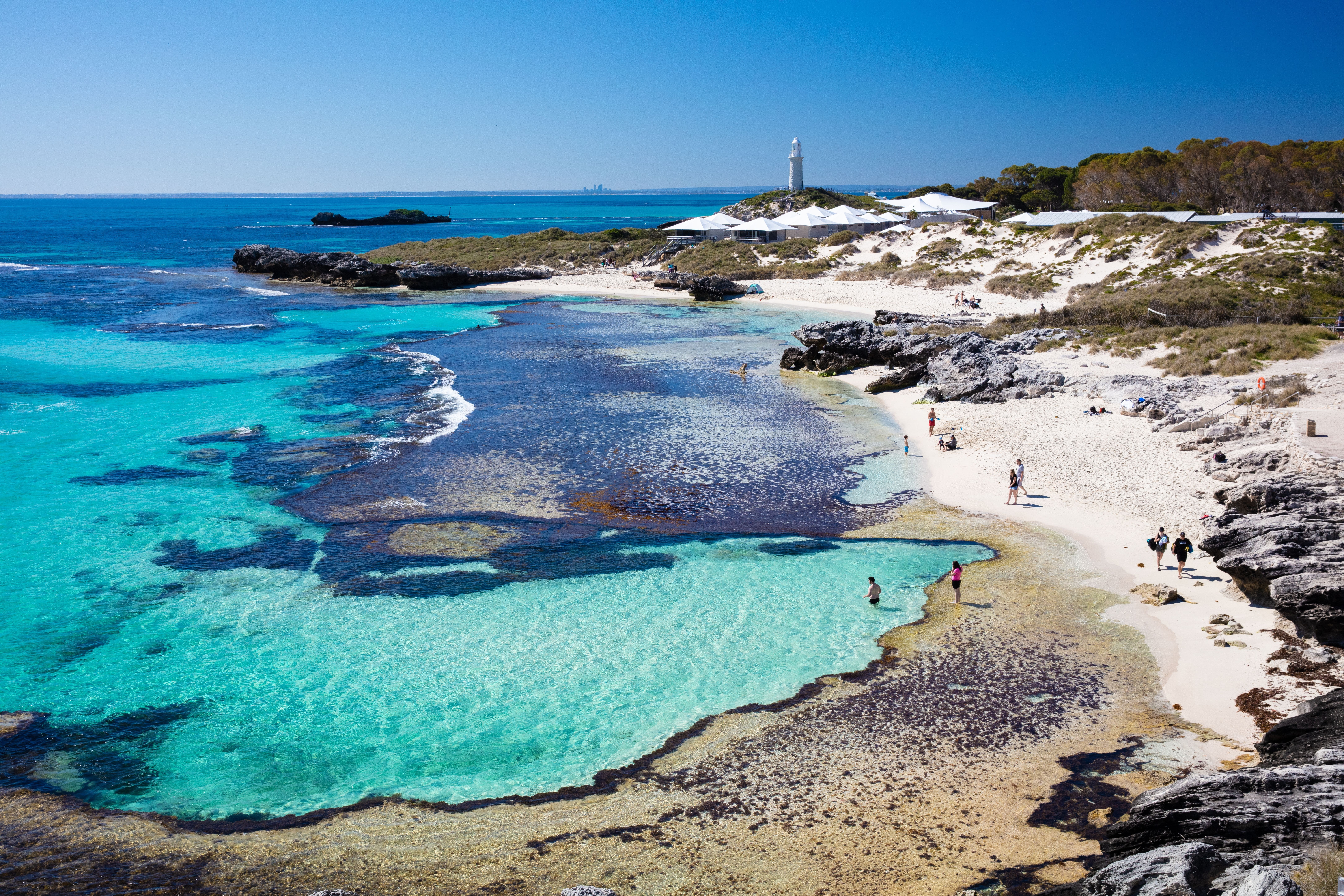
Further north, quieter, and the manta rays are the draw — they gather in the passage between Drawaqa and Naviti from May to October, peaking in July and August, and you meet them on a snorkel rather than a dive. One catch worth planning around: the boat runs once a day.
The Yasawas
Vanua Levu
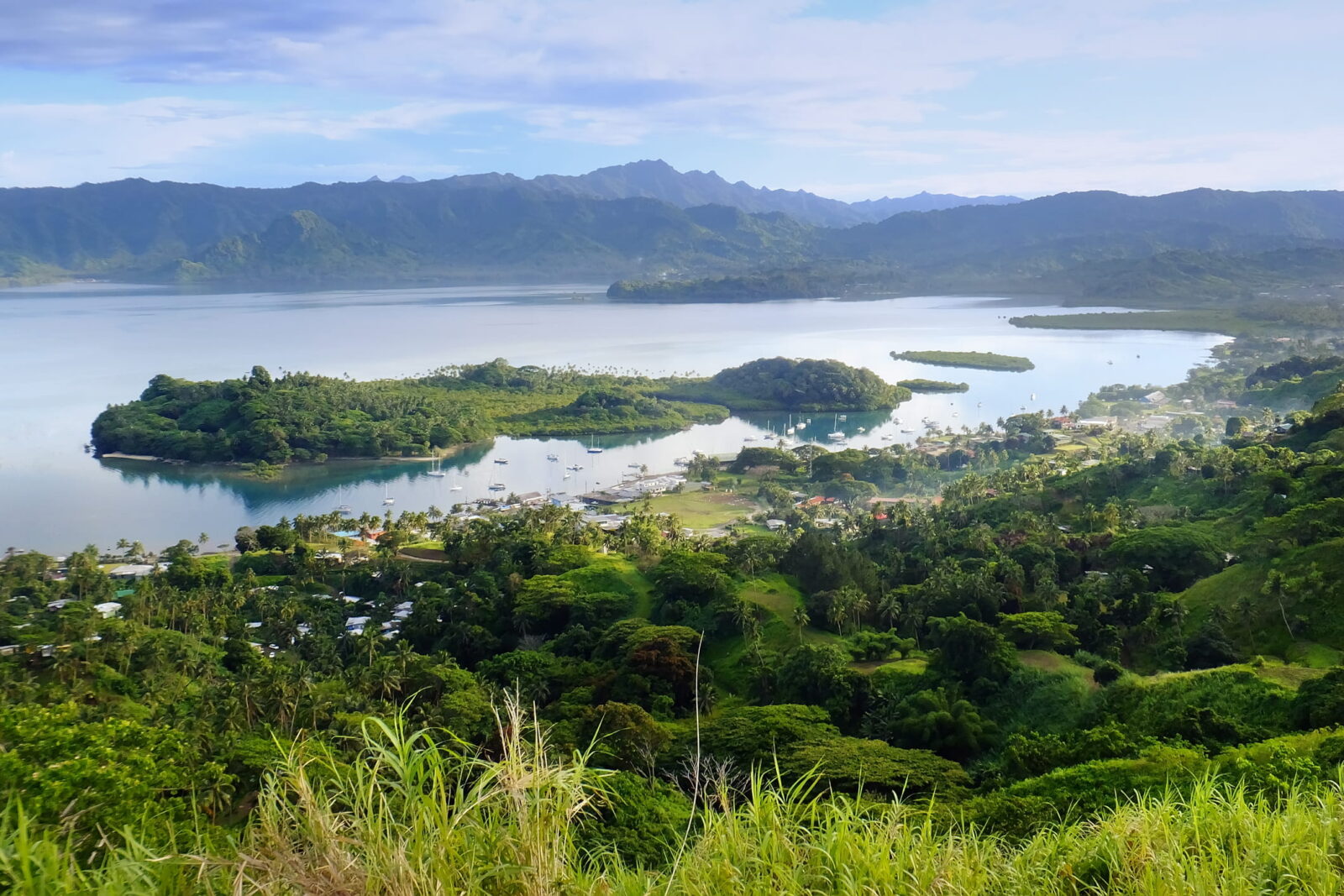
Fiji’s second island and barely visited. Namale near Savusavu has twenty-two bures and villas across five hundred and twenty-five acres, takes eighteen and over, and its cliff-top spa runs to ten thousand square feet above the Koro Sea. This is the one for couples who want nobody at all.
Vanua Levu
How Journey Earth Works
Your Escape, Made Your Way
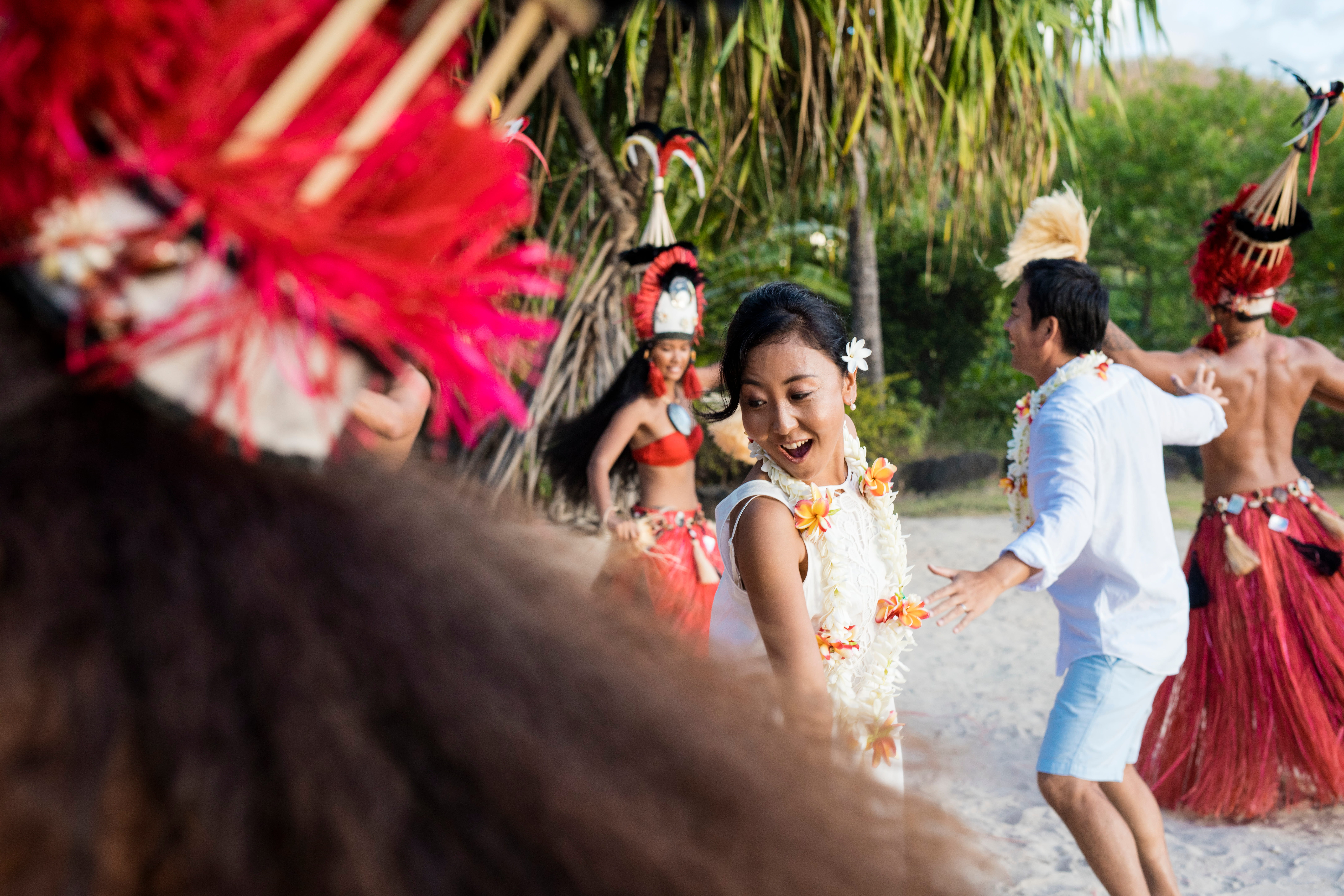
In Fiji, entering a village properly means sevusevu — presenting yaqona to the chief and asking permission. Shoulders and knees covered, hats off, nobody touches anyone’s head. In French Polynesia, Taputapuātea marae on Raiatea has been UNESCO World Heritage since 2017 and is the ancestral centre of Polynesian navigation.
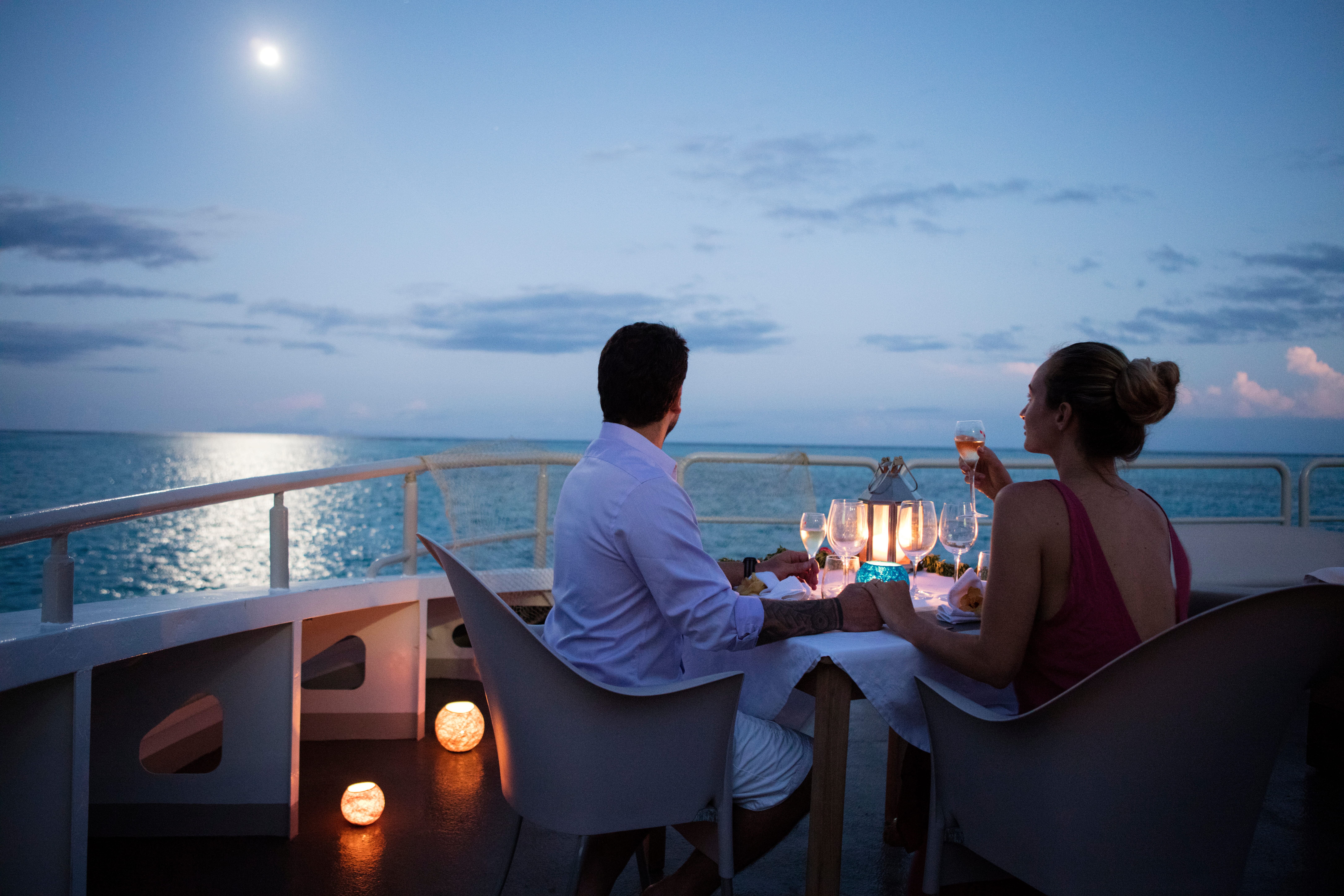
Dinner on the sand, a private motu lunch, and in Taha’a a day that takes in a vanilla plantation, a pearl farm and a rum distillery. On the remote islands there is nowhere else to eat, so we sort the dining arrangement before you book rather than leaving you to discover it.
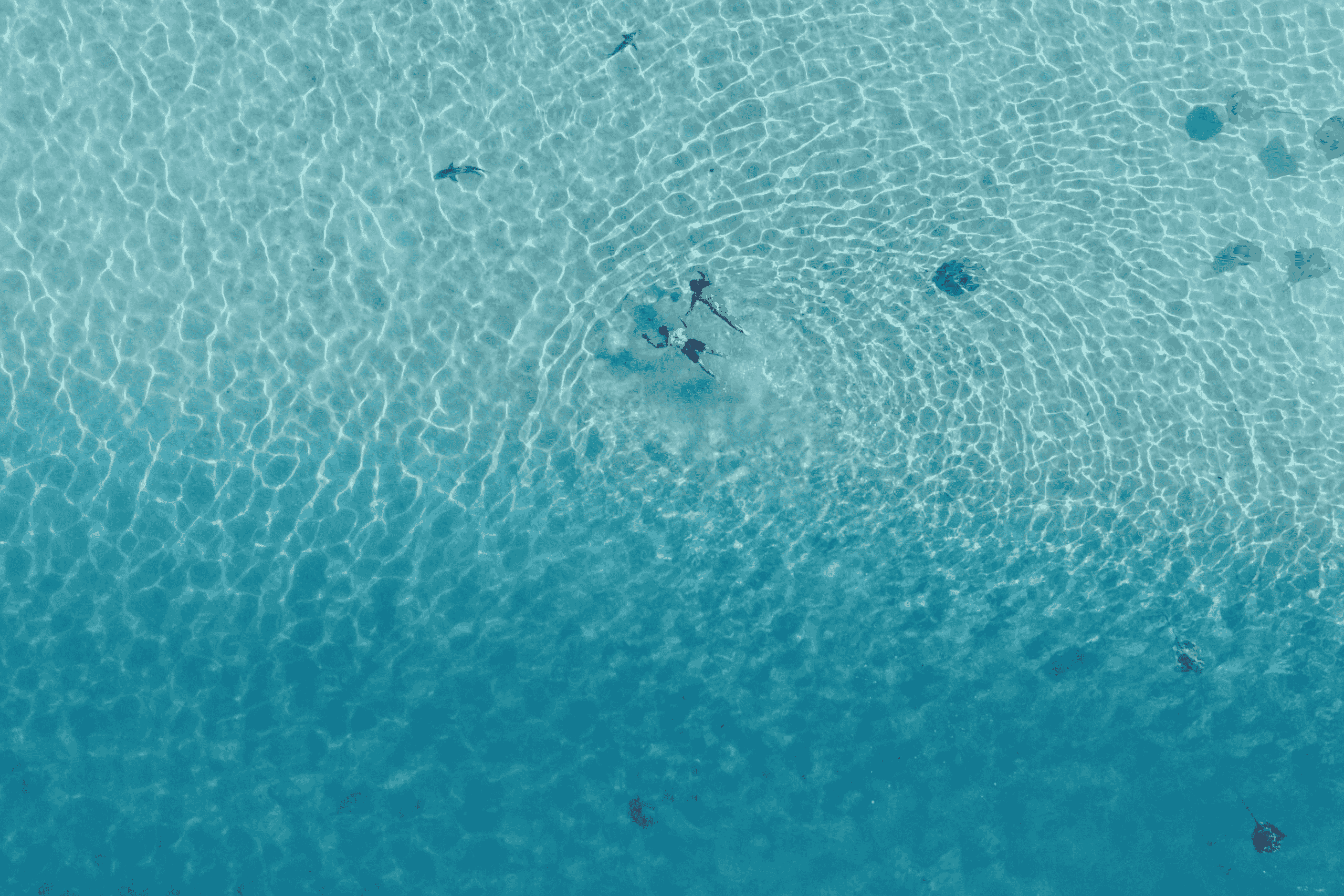
The reason to come. Coral gardens you drift through rather than swim across, lagoons clear to thirty metres, and in Fiji some of the best soft coral anywhere. Water sits between twenty-six and twenty-nine degrees year-round in both countries.
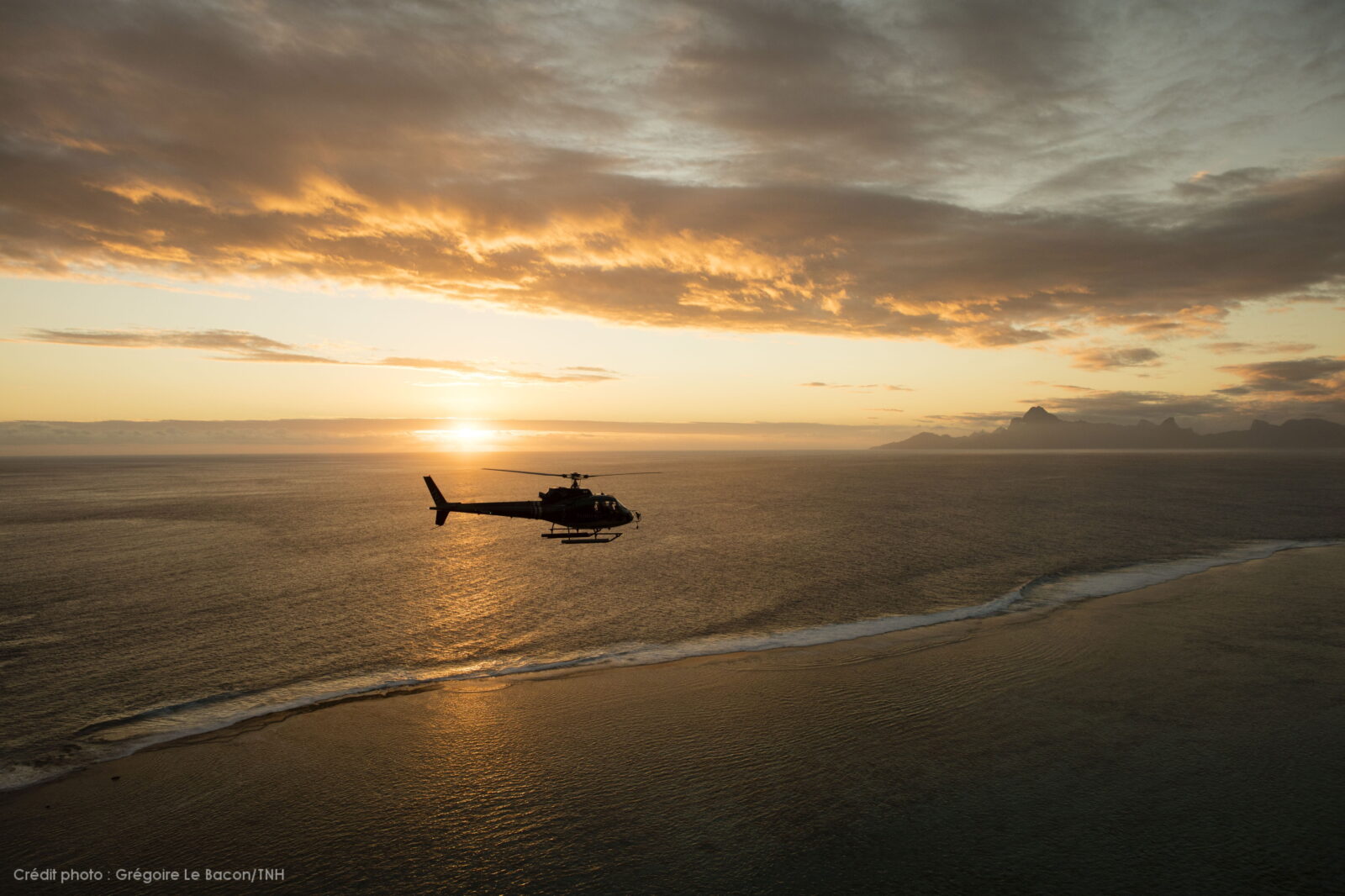
Only where it earns a place in a week like this. A helicopter transfer that doubles as the scenic flight, a dive on the Great Astrolabe, or the two-level floating day club moored over reef an hour off Denarau — though that one has a minimum age and a distinctly social atmosphere, so we place it carefully.
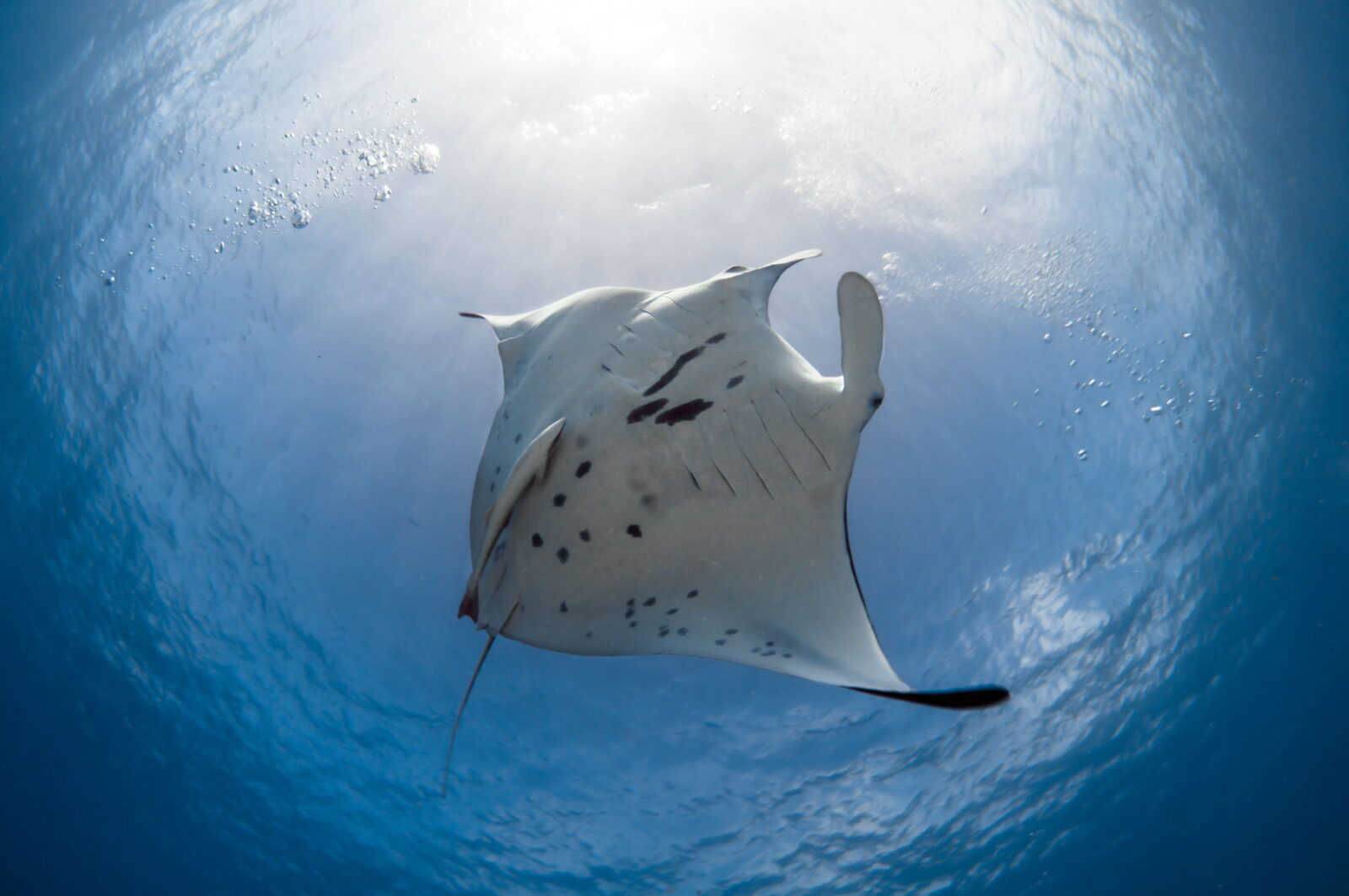
Manta season in the Yasawas from May to October. Humpbacks in French Polynesia on an official season from 20 July to 20 November, where swimming is legal only through approved operators and capped at seven people in the water. We book those and we never promise a sighting.
Read our South Pacific Travel FAQs.
The Villa Is the Holiday, So We Choose It First
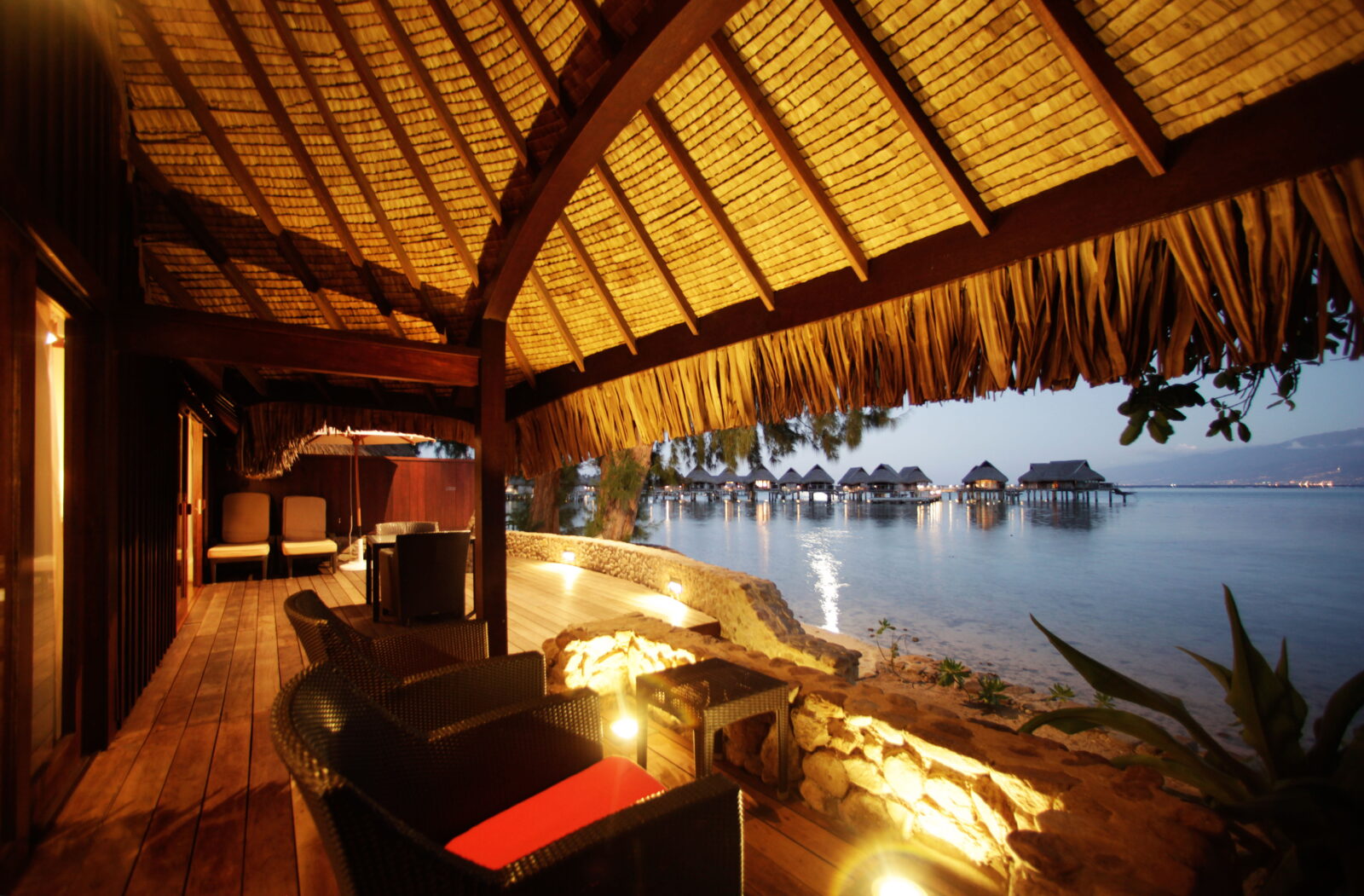
Nobody flies eleven hours for a hotel lobby. The room is the product here in a way it is not in Sydney or Queenstown, and the gap between the right villa and the nearly-right one is the trip.
Fiji is also where adults-only actually exists in this region. Likuliku at seventeen and over, Tokoriki at sixteen, Namale at eighteen — none of the French Polynesian properties we work with is adults-only, so if a child-free week is the requirement, that points you to Fiji before anything else does.
Why Couples Choose Journey Earth
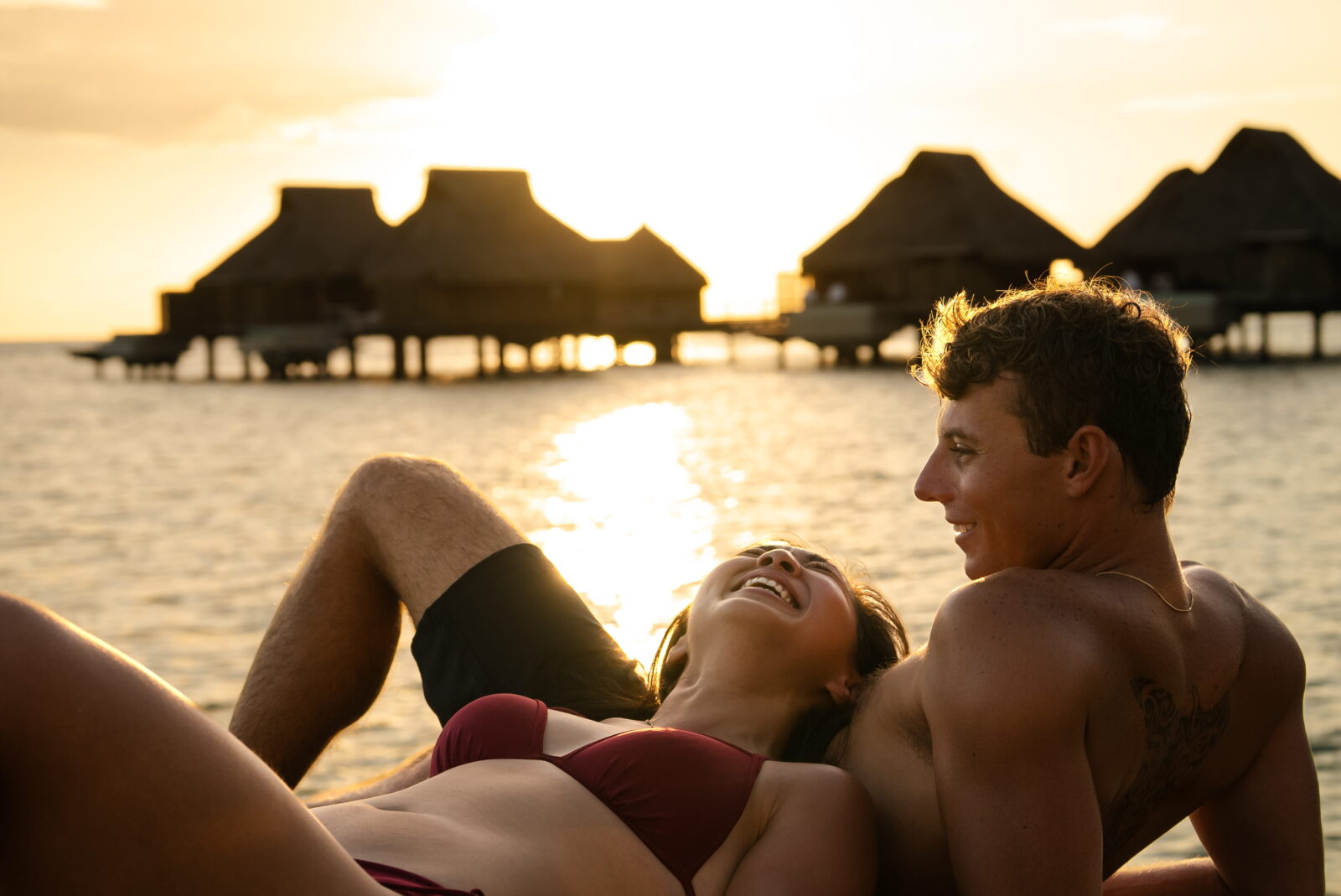
We are close enough to know the detail.
Three to four hours from Fiji, and we book these islands constantly rather than occasionally.
We sell the villa, not the category.
You will know which one, facing which way, before you pay for any of it.
We will tell you to visit fewer islands.
The most common mistake here is three islands in seven nights, and we would rather argue about it now.
Frequently Asked Questions About South Pacific Tours for Couples
Fiji or French Polynesia for a honeymoon?
French Polynesia for overwater villas and lagoon scenery at its most dramatic; Fiji for adults-only resorts, better diving, a shorter flight and meaningfully lower cost. Couples who want the postcard go to Bora Bora; couples who want a week alone often prefer Fiji once they compare the two.
When is the best time for a South Pacific honeymoon?
May to October, the dry season in both countries. Cyclone season runs 1 November to 30 April and is worth avoiding for a trip you cannot move. April, May, September and October frequently deliver dry-season weather at shoulder rates.
How many islands should we visit in a week?
Two. Three is possible and usually a mistake, because the transfers here run to fixed daily schedules and each move costs the better part of a day. A week split between two islands feels like a holiday; the same week across three feels like a tour.
Can we get married or renew our vows there?
In French Polynesia, yes — the law changed in 2009 and a civil marriage before a registrar is legally binding for foreign nationals, though a beach or religious ceremony on its own is symbolic. Australians may need a certificate of no impediment, which takes lead time. We will walk you through what is required and by when.
Do we need to be able to swim well?
No. The lagoons are shallow, calm and warm, the coral gardens are snorkelled at waist-to-chest depth, and most resorts have guides in the water with you. If one of you is a confident swimmer and the other is not, that is an entirely normal pairing here.