
Both Bora Bora resorts we book sit on the motu, the low coral islets strung around the reef, facing back across the lagoon at Otemanu. Which one you choose shapes the arrival, the view, and how dinner works.
Designed With You in Mind
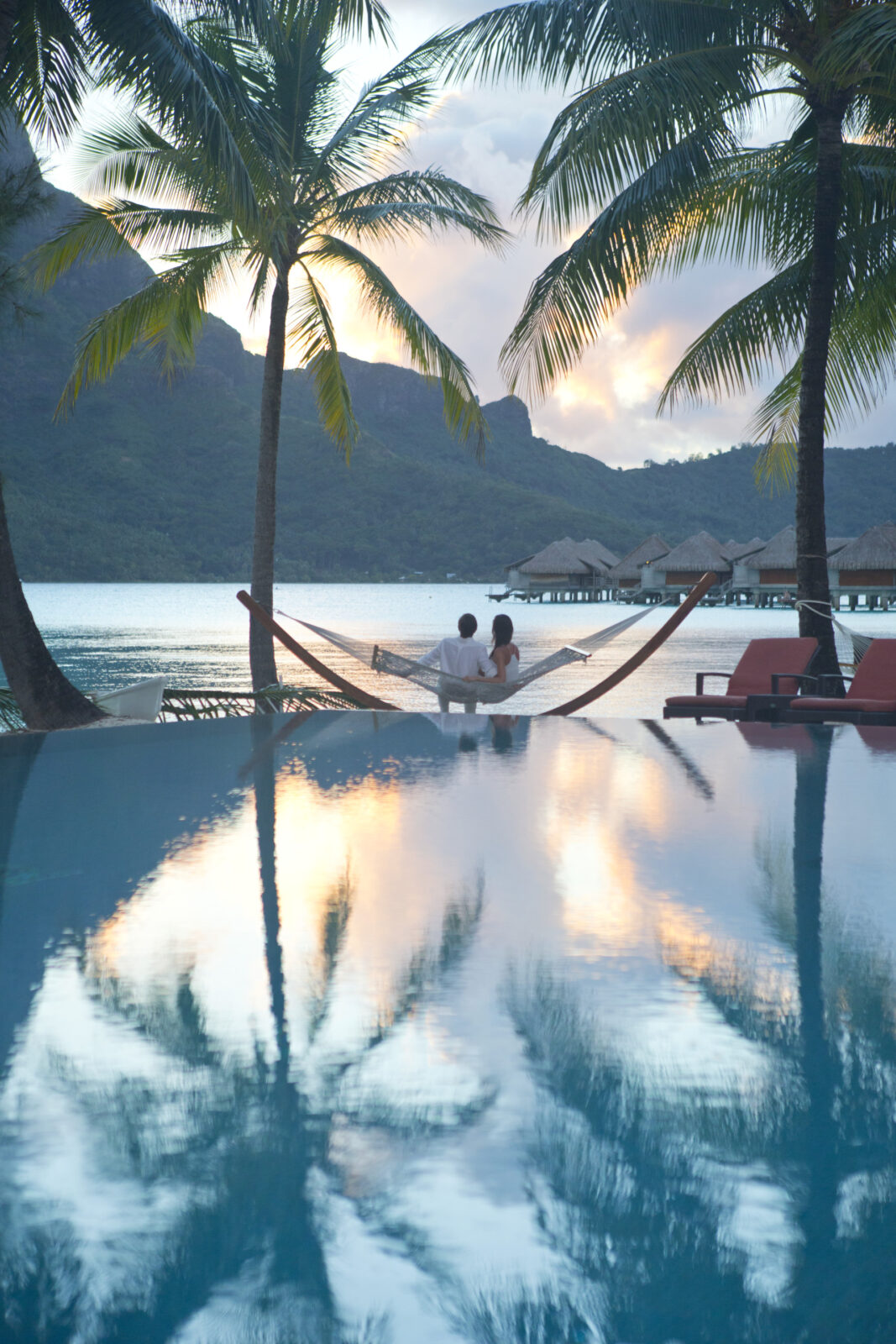
- Where we book: the St. Regis on Motu Ome’e and Le Bora Bora on Motu Tevairoa, both with overwater villas
- Getting there: a 50-to-90-minute flight from Papeete, then the resort boat, both booked around your arrival
- Meal plans: neither resort is all-inclusive, so we settle the dining plan before you book
- Best months: May to October, with July the driest
We Book the Flight and the Resort Boat Together
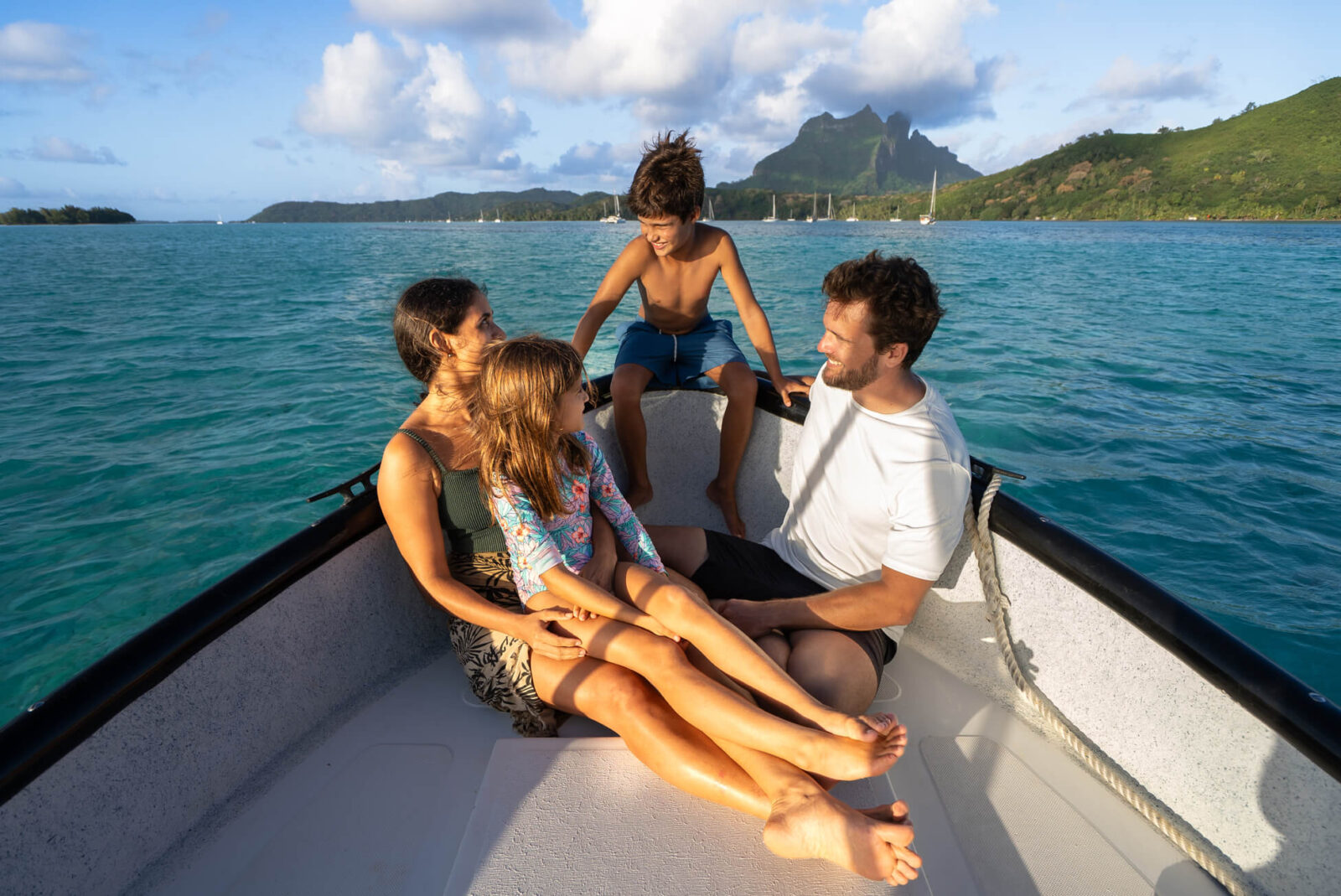
Reaching Bora Bora takes two more legs after you land in Papeete, and we book both around your international flight. The domestic hop runs 50 minutes nonstop, or up to about an hour and a half when it stops on the way.
The airstrip sits on its own motu. From there the resort boat takes around ten minutes to Le Bora Bora, or closer to twenty to the St. Regis, and we book that boat to meet your flight in both directions.
Queenstown to Milford is not a morning drive. The New Zealand Transport Agency’s own leg times put Queenstown to Te Anau at 170 kilometres and one hour 57, then Te Anau to Milford at 121 kilometres and two hours — four and a half hours one way before a single photograph stop. Return that in a day and you have spent nine to ten hours in a vehicle to spend ninety minutes on the water.
That self-drive marathon is the day most visitors buy, but we believe your time is better spent enjoying the scenery. If you prefer to travel by road, a private driver turns a grueling journey into a relaxed, seamless experience where someone else navigates the single-lane Homer Tunnel and summer traffic delays while you take in the views.
Alternatively, fly a leg: a forty-five-minute flight over the Southern Alps and Sutherland Falls transforms a long endurance test into an effortless afternoon.
The St. Regis and Le Bora Bora Suit Different Trips
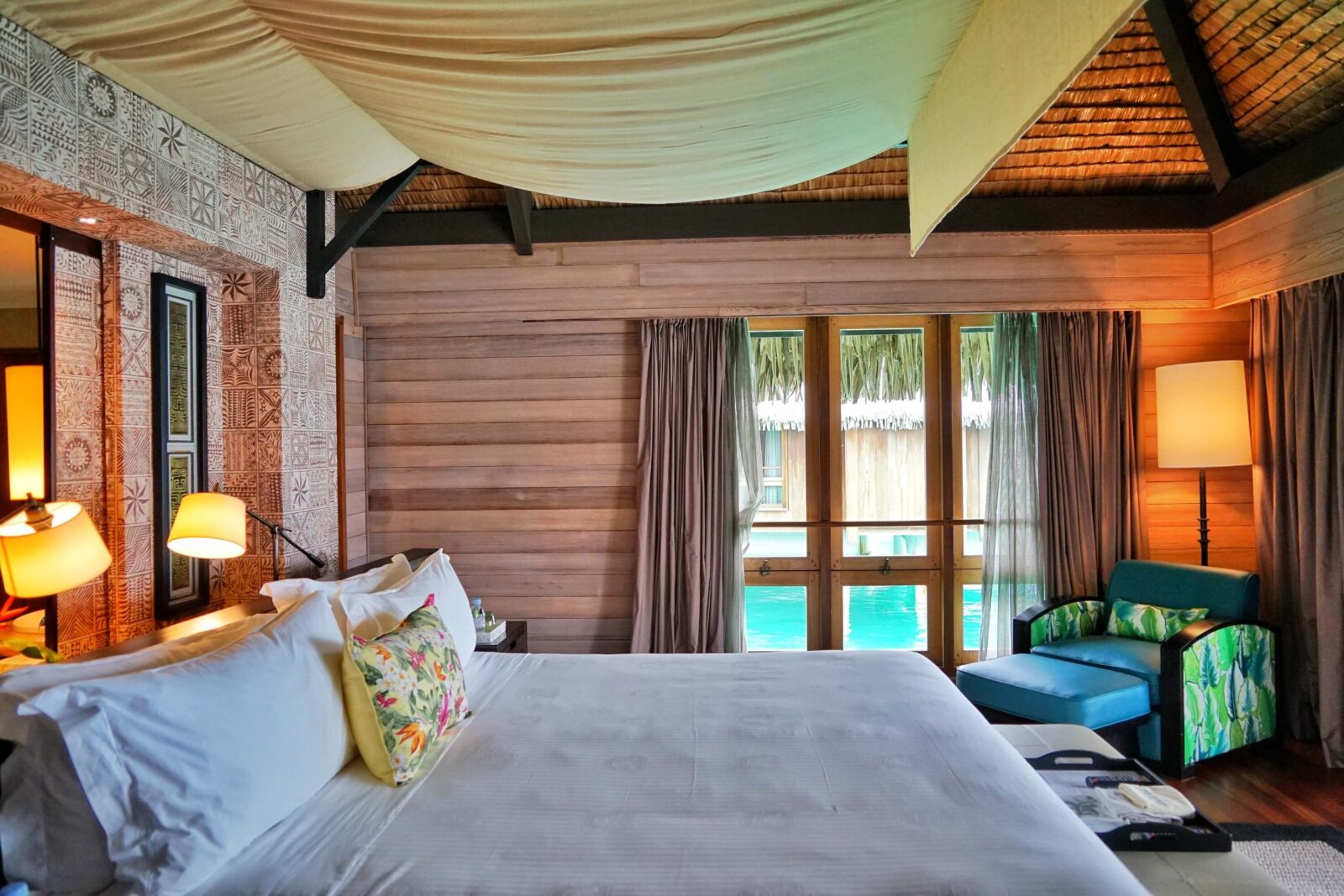
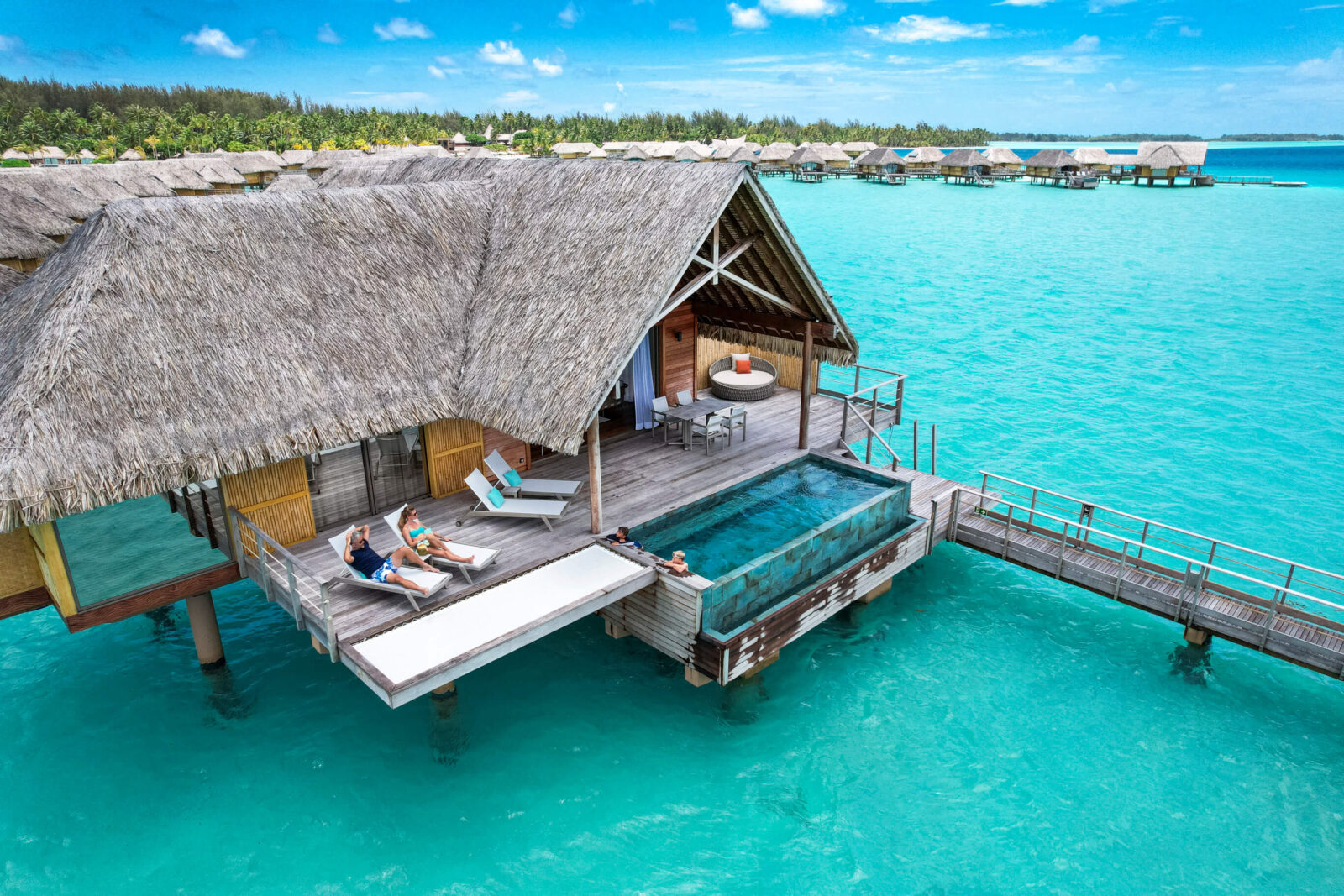
We match the resort to the way you like to spend a day. The St. Regis spreads across 17 hectares, with overwater villas from 1,500 square feet, its own lagoonarium for snorkelling and a spa on a private island, so it suits travellers who want room and plenty to do without leaving the resort.
Le Bora Bora by Pearl Resorts is a Relais & Châteaux member with two Michelin Keys and 108 rooms and villas. Both have overwater villas.
The day boats leave. That is the sentence that matters. The overnight vessels sail in the late afternoon, anchor in Harrison Cove, and give you the fiord at dusk and again at breakfast with nobody else in it — kayaks off the back, stargazing before bed, and the engines off.
Doubtful Sound goes further still, and getting there is half of it: a catamaran across Lake Manapouri, then a coach over the Wilmot Pass, then a fiord three times longer than Milford with a resident pod of bottlenose dolphins and almost no traffic. It takes a day to reach and it repays it.
Neither Resort Is All-Inclusive, So We Settle Dining First
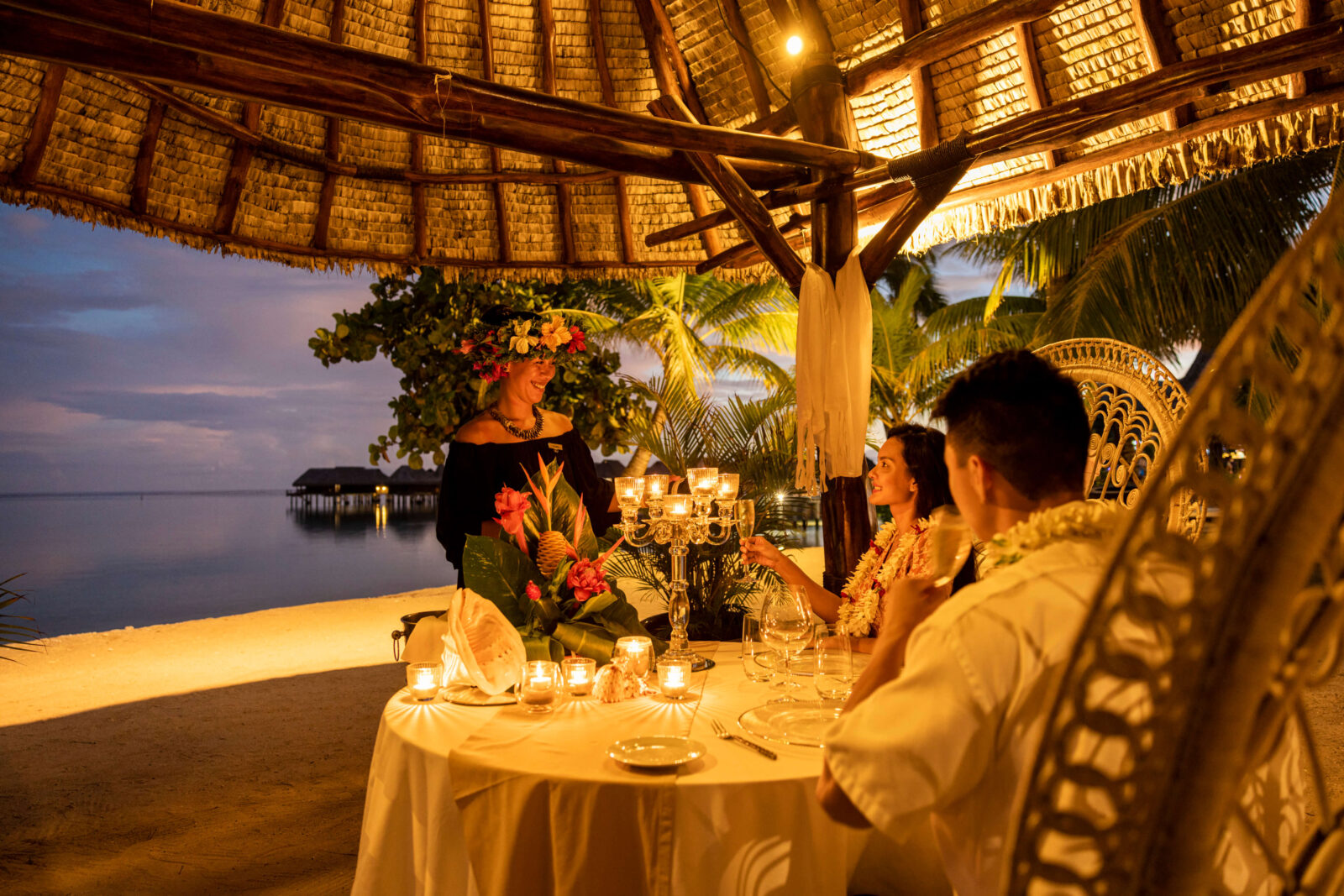
On a motu there is nowhere to stroll out to for dinner, so the meal plan needs deciding before the booking does. Le Bora Bora’s offers include breakfast. The St. Regis sells full board in some seasons.
When Tahiti Tourisme describes “all-inclusive” Bora Bora packages, it means the room, breakfast, an evening meal and transfers bundled together, with drinks still on top. Ask us before you compare prices.
Manta Rays and Sunset Cruises Fill the Lagoon Days
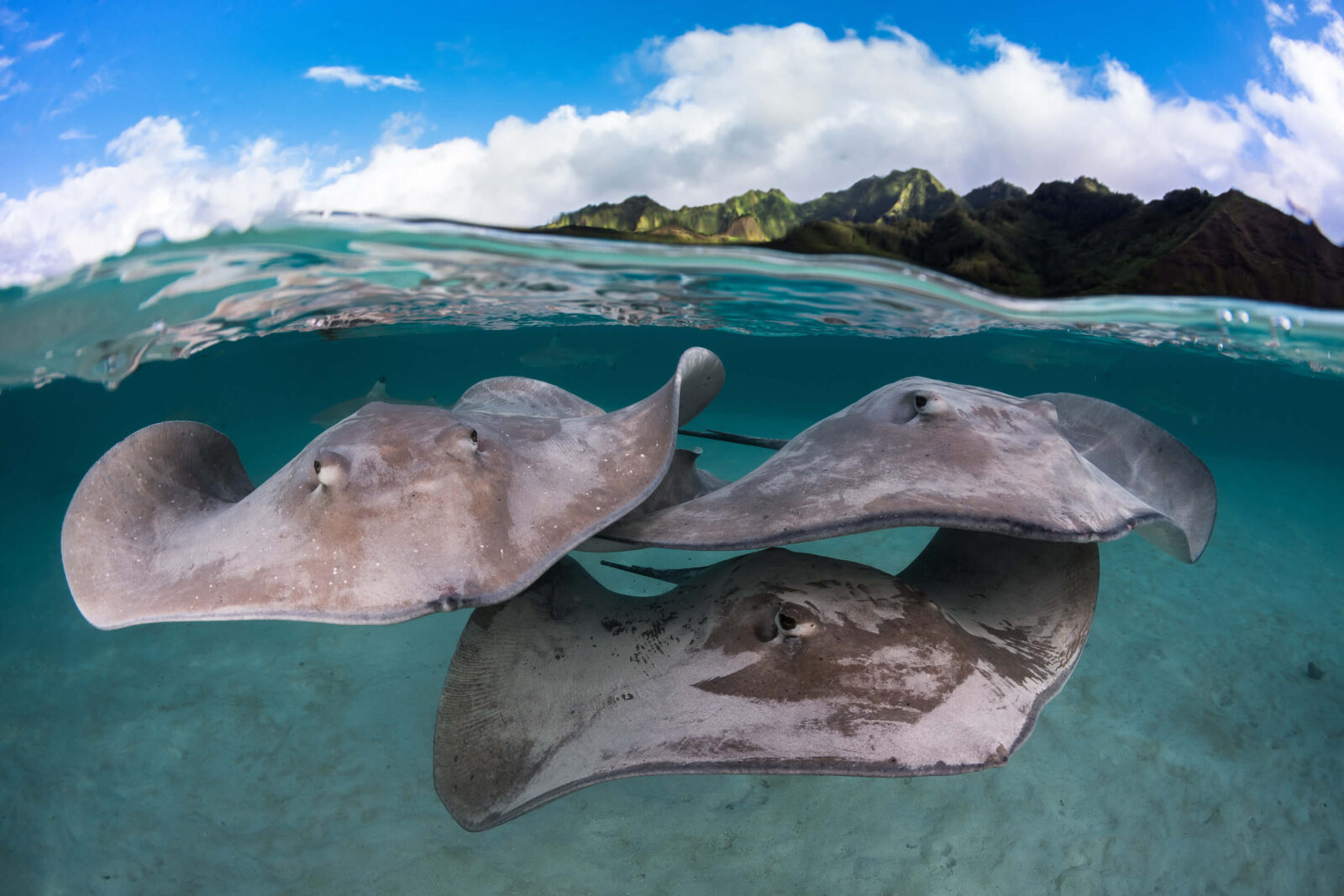
Snorkelling with manta rays and a sunset cruise between the motu are the classic Bora Bora days. Neither needs any diving experience.
We fit them in around the rest of your stay, leaving the other days open for the villa, the deck and the lagoon underneath it, which for most people on Bora Bora is the whole reason for coming.
Overwater Villas Go First, So We Book Early
Bora Bora’s best villas are the scarcest rooms in the region, so we recommend booking ten to twelve months ahead for the May-to-October dry season, and longer if you have a specific overwater category in mind.
The dry season earns the wait. Météo-France’s climate normals for Bora Bora average 61.9 mm of rain in July against 250.7 mm in December.
Frequently Asked Questions About Bora Bora
Can we climb Mount Otemanu?
Not to the summit, although trails go part of the way up for the view. Its neighbour, Mount Pahia (658 metres), is a proper hike with a local guide.
Can we combine Bora Bora with Fiji?
It can be done, though the flights between them normally connect in Auckland. Most travellers are better served giving the fortnight to French Polynesia alone, or pairing Fiji with Australia or New Zealand instead.