
The ground steams here, and it is not a special effect. Rotorua sits on the Taupō Volcanic Zone, where GNS Science notes the Earth’s crust may be as little as 12 kilometres thick — which is why so much heat sits so close to the surface, why the lakes bubble, and why the air smells the way it does for the first hour before you stop noticing. It is also the richest concentration of living Māori culture in the country. Those two facts are the whole reason to come, and both are considerably better arranged privately.
Designed With You in Mind
- Best months to go: October to April for warm walking weather, though the geothermal valleys work in any season and are best on a cold morning
- Getting there: just under three hours from Auckland, about an hour from Taupō
- How long to stay: two nights covers the geothermal and cultural core; three lets you add the redwoods, a lake day or Waitomo
- What makes it worth it: private access to a geothermal valley before the coaches, and Māori hosts who are sharing rather than performing
- Worth knowing: the parks vary enormously on accessibility, and only some are genuinely step-free
The Geothermal Valleys Are Best an Hour Before Everyone Else
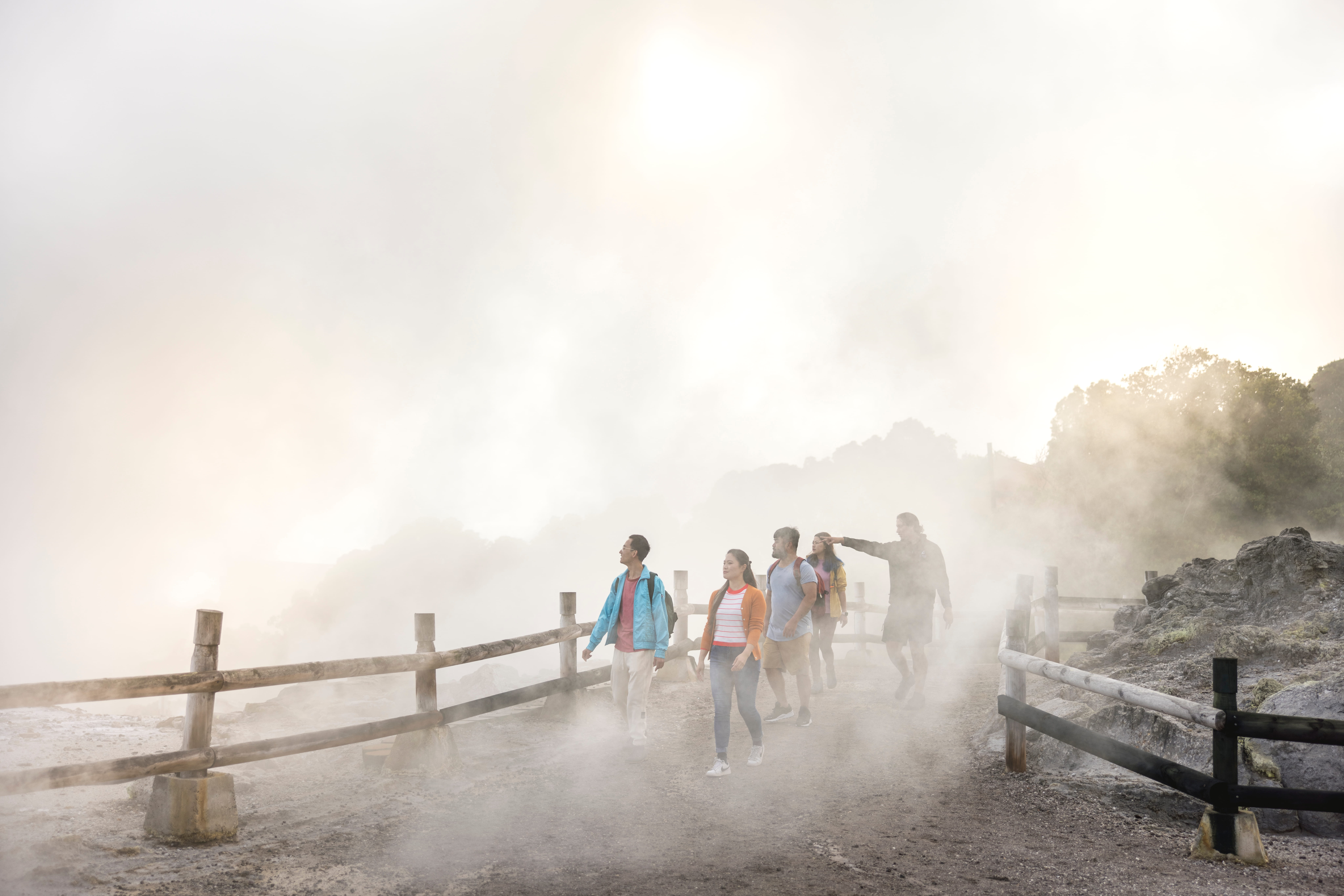
That is the day we build. Private access into a valley ahead of the general opening, a guide who explains what is actually happening underneath rather than reading the sign, and the itinerary arranged so you are somewhere else by the time the coaches arrive.
A cold, still morning is the best weather for this. The steam carries a kilometre and the whole basin looks like it is breathing.
Māori Culture Here Is Participation, Not a Performance
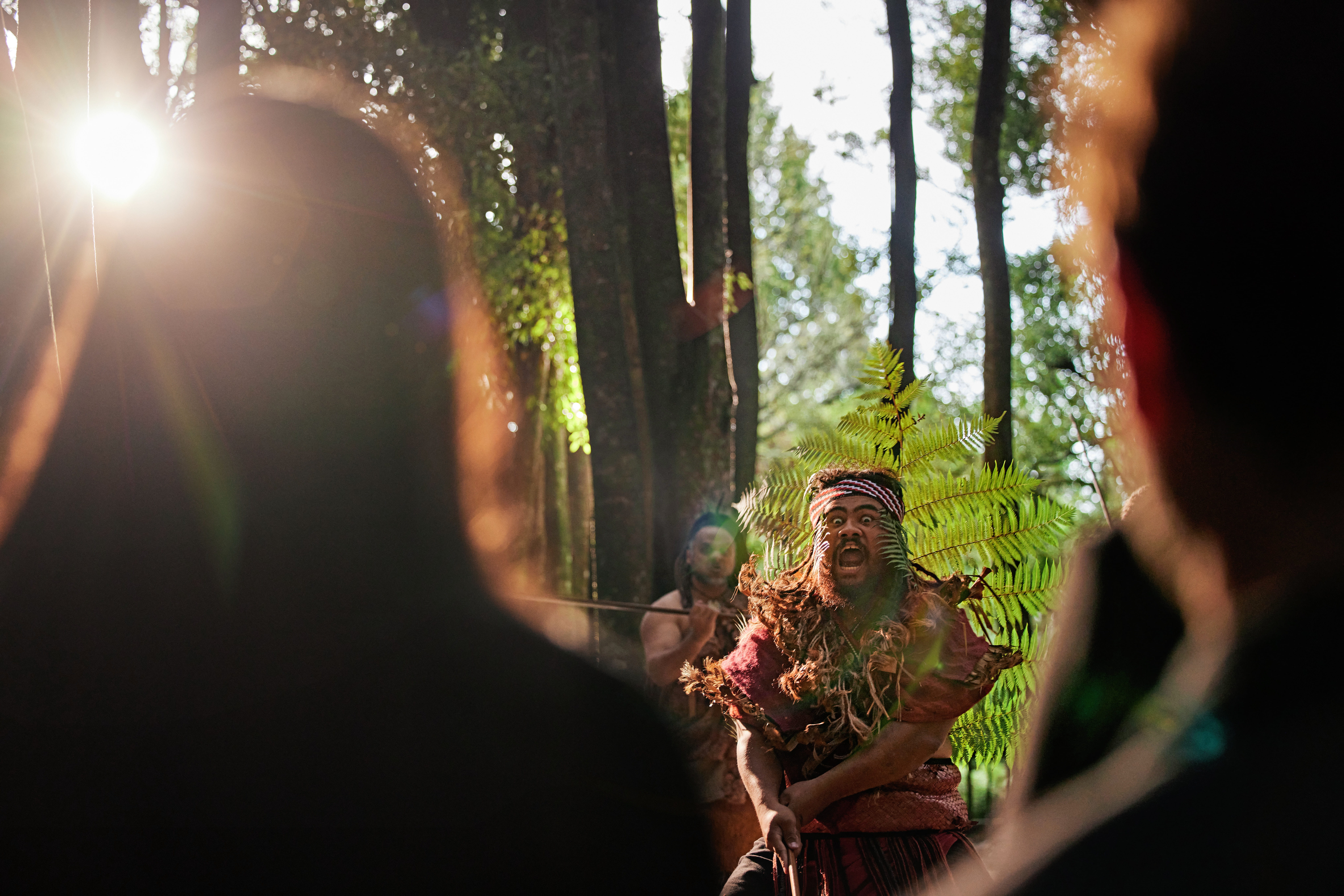
Rotorua is where most visitors to New Zealand encounter Māori culture, and it is also where the gap between the packaged version and the real one is widest. A hall of four hundred people watching a scheduled show is not the same experience as a private pōwhiri, a hāngī prepared for your party alone, or an afternoon with a rongoā practitioner walking you through healing plants growing beside the path.
The second kind takes relationships and notice. We arrange it because our people here have spent years building those connections, not because we hold a licence. Where a family is travelling, we push hard for the version your children take part in — they remember being welcomed considerably longer than they remember watching.
Whakarewarewa is the living village at the centre of all this, and it repays a slow morning.
The Redwoods, the Lakes and What Sits Within an Hour
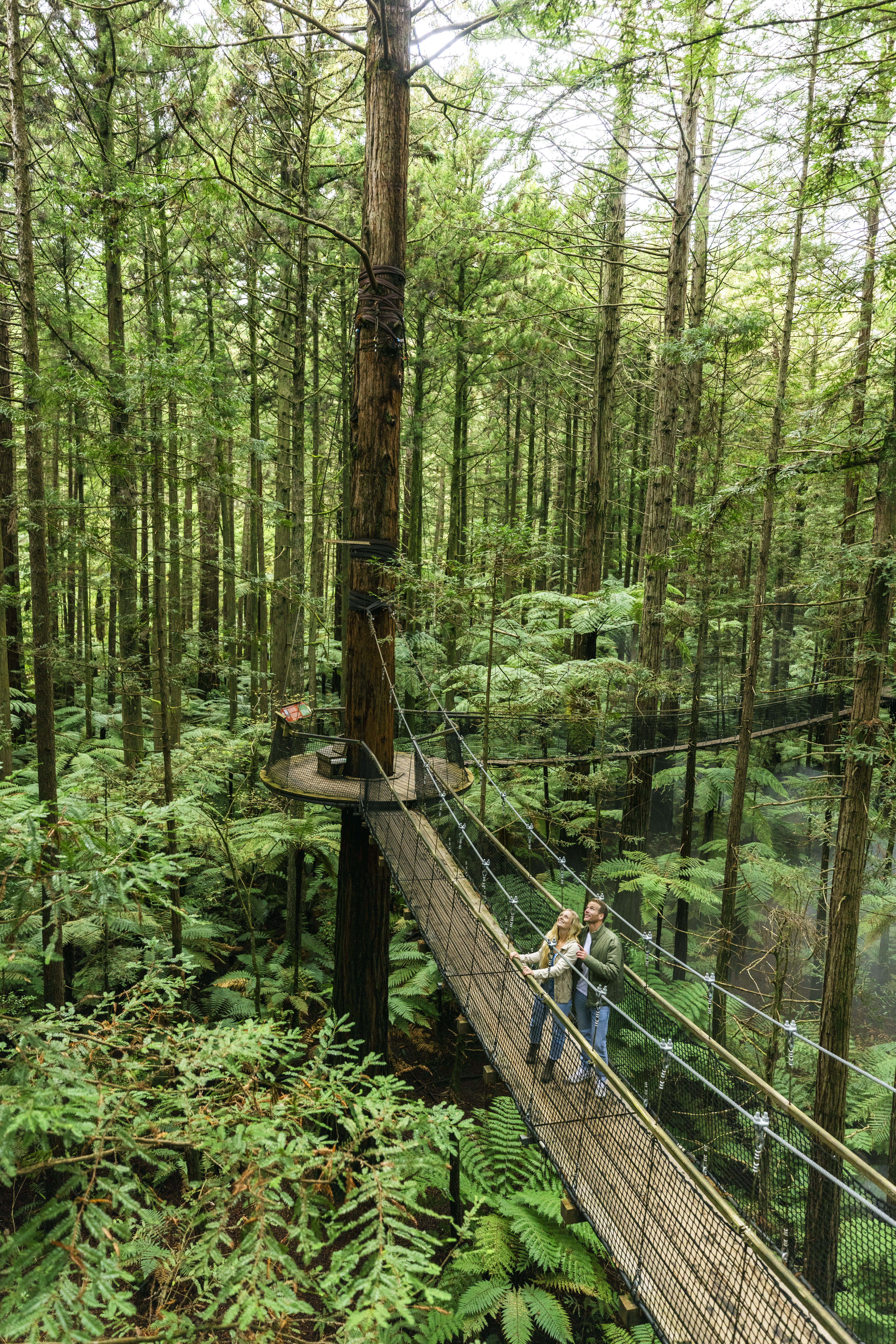
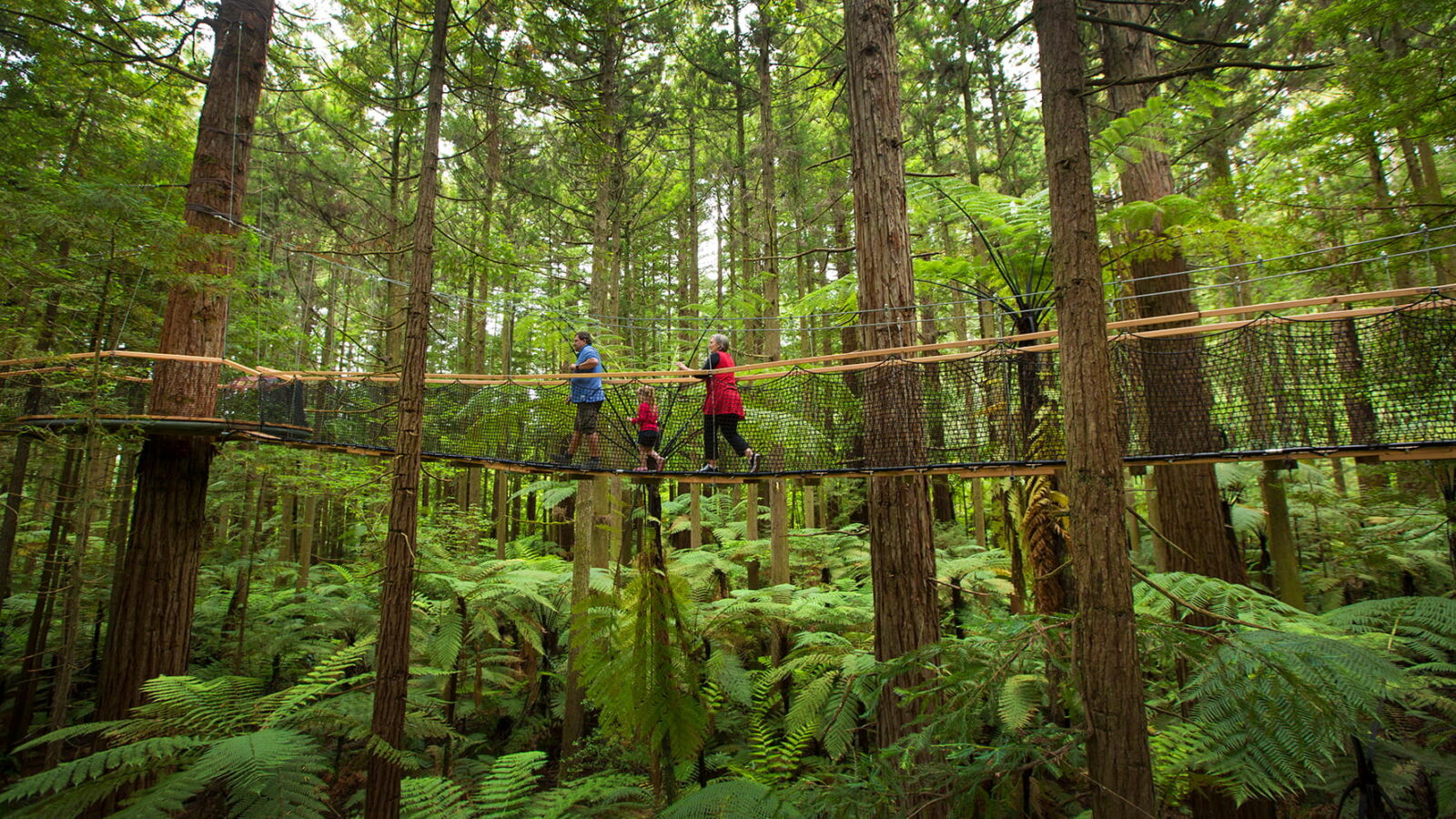
Rotorua is unusually well placed. The Redwoods Treewalk runs suspended bridges through a forest of Californian redwoods that took to the volcanic soil far better than anyone expected, and the walkways sit 65 feet above the forest floor.
Seventeen lakes surround the town. Fly fishing here is world class and, unusually, genuinely available to beginners with a guide. Whitewater rafting sits within reach for families with older children.
The Waitomo caves are about two hours away and worth the detour every time. There is more than one cave, and the choice matters: the famous glow-worm boat trip runs 45 minutes but has stairs and does not permit photography, while a neighbouring cave takes two hours, admits pushchairs and lets you use a camera.
Accessibility Varies More Here Than Anywhere Else in New Zealand
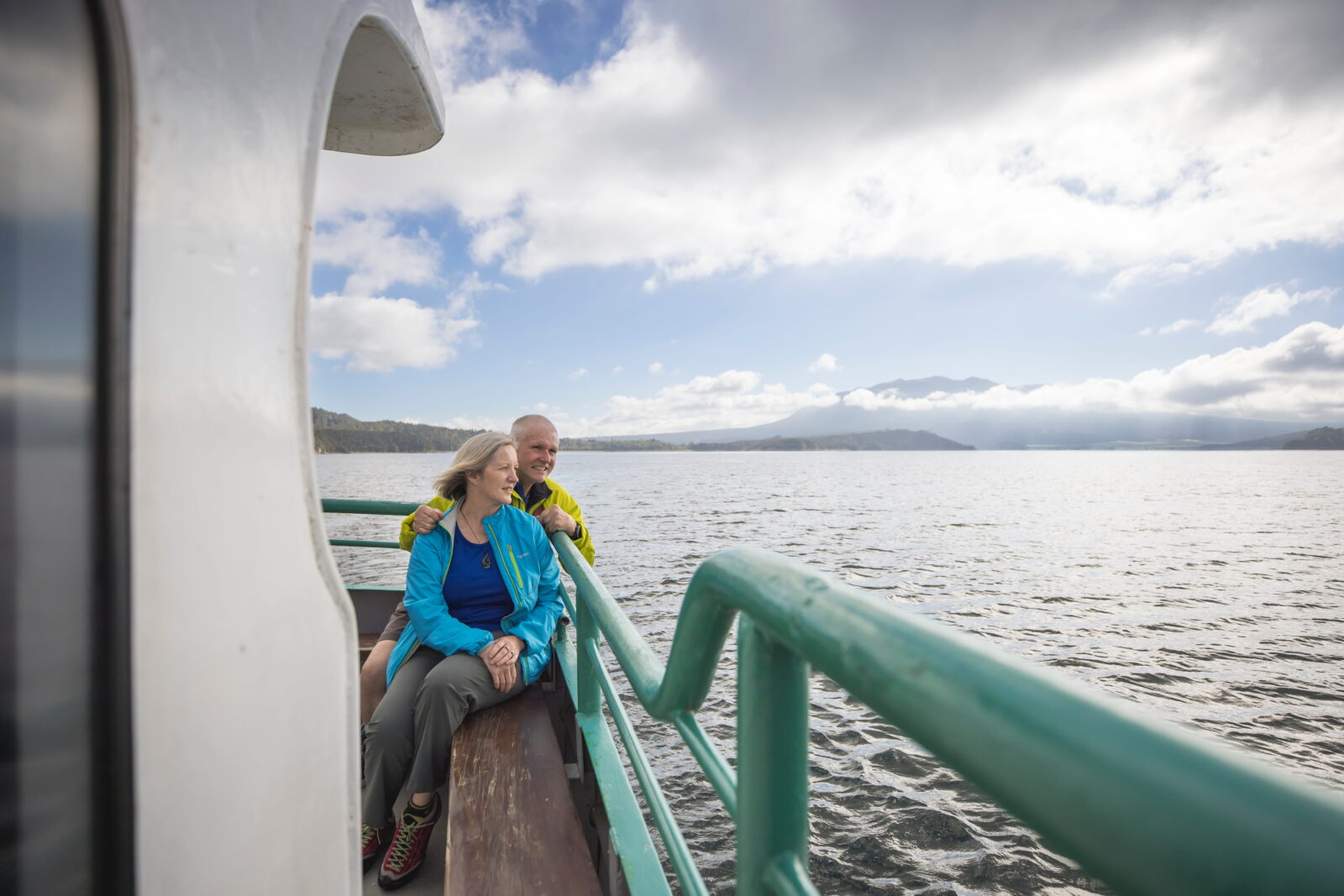
This is the practical warning we give every traveller over 55, and it is specific to Rotorua. The geothermal parks are marketed with a broadly similar tone and are not remotely similar underfoot.
One runs a return train up from the valley floor, which changes the whole day if walking back up a hill is the thing you were dreading. Another has a shuttle whose buses have no wheelchair lift, so you must be able to transfer up steps. Another states plainly on its own website that its walk has several steps and is not suitable for a wheelchair or a stroller, while being widely described elsewhere as accessible.
We check each one against the operator’s own words before it reaches your itinerary. Tell us what distance and what steps work, and we will put you at the right park rather than the famous one.
Where to Base Yourself
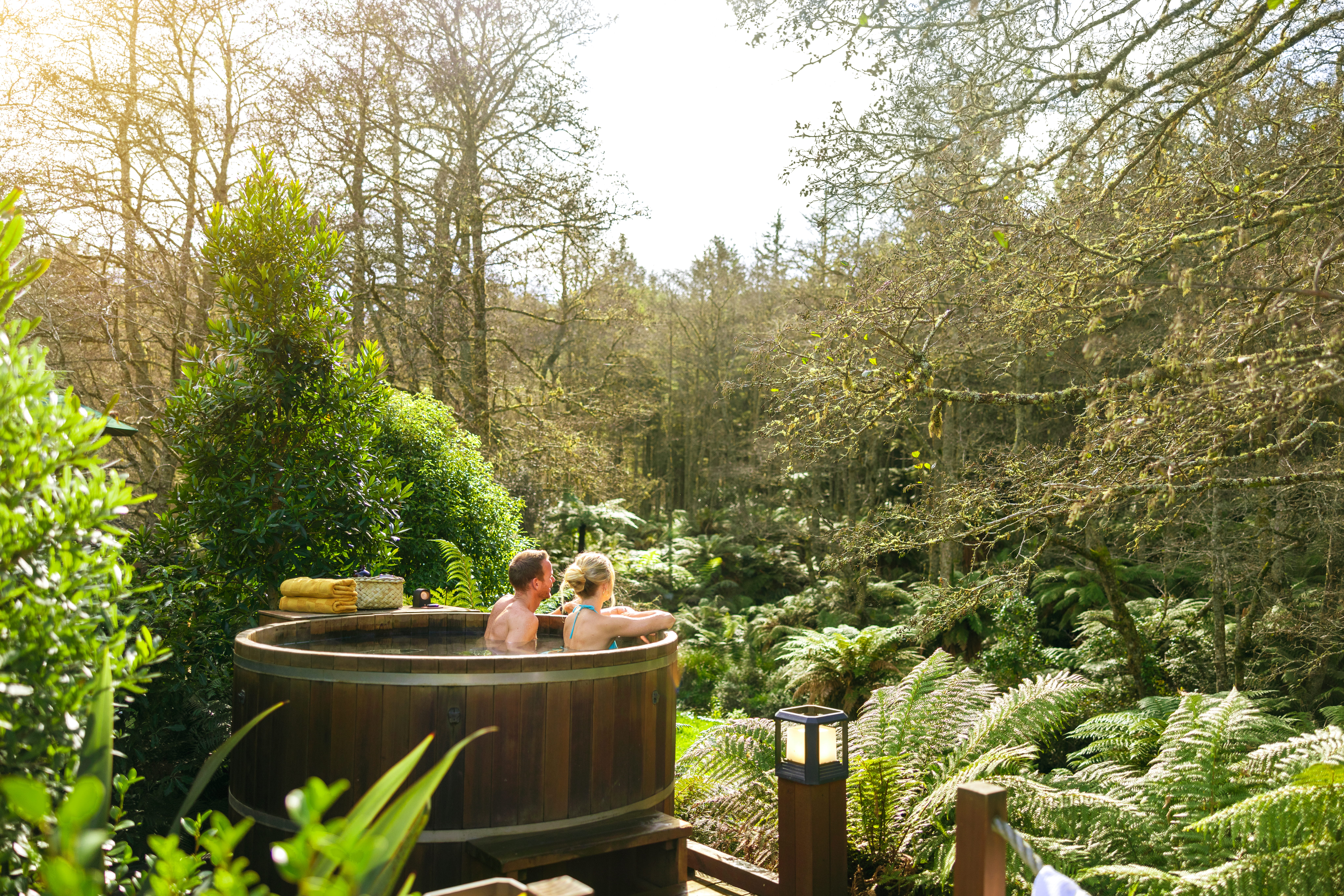
Rotorua itself has the geothermal spa hotels, and for two nights that is often exactly right — the mineral water is the point, and being able to walk to dinner matters after a long day.
Taupō sits about an hour south and is the alternative worth considering, particularly for travellers who want a lodge rather than a hotel. Huka Lodge stands above the Waikato River there with twenty suites and two private cottages, and a good number of our North Island itineraries put their best night there rather than in Rotorua.
Frequently Asked Questions About Rotorua
How long should we spend in Rotorua?
Two nights covers the geothermal valleys and a proper cultural experience without rushing either. Three lets you add the redwoods, a lake day, or the drive to Waitomo. One night is enough to see something and not enough to understand it.
Does Rotorua really smell of sulphur?
Yes, and it fades. The hydrogen sulphide is strongest near the active areas and around the lakefront, and most visitors stop registering it within an hour or two of arriving. A small price for what is underneath the town.
Is Rotorua good for families?
It is arguably the best single family destination in New Zealand. Steaming ground, a forest canopy walk, glow worms two hours away and a cultural experience children take part in rather than watch. The activities also scale — a six-year-old and a fifteen-year-old can have a good day together here, which is rarer than it sounds.
What is the best time of year to visit Rotorua?
October to April for the warmest walking weather and the longest days. That said, the geothermal areas are at their most dramatic in the cold, when the steam is visible across the whole basin, so a winter morning here is not a compromise.
Can you visit the geothermal parks with limited mobility?
Some of them, and the differences are significant. One park is genuinely wheelchair accessible and runs a train back up from the valley; others have steps, uneven ground or shuttles without lifts. We confirm the specific park against its own stated limits before booking rather than after you arrive.