
Luxury South Pacific Accommodation
The South Pacific is where the room genuinely is the holiday. Nobody flies to Bora Bora for the restaurants — they fly for a specific villa over a specific lagoon, and the gap between the right one and the nearly-right one is the whole trip. This page is the honest version, including where the famous thing is not actually available.
Designed With You in Mind
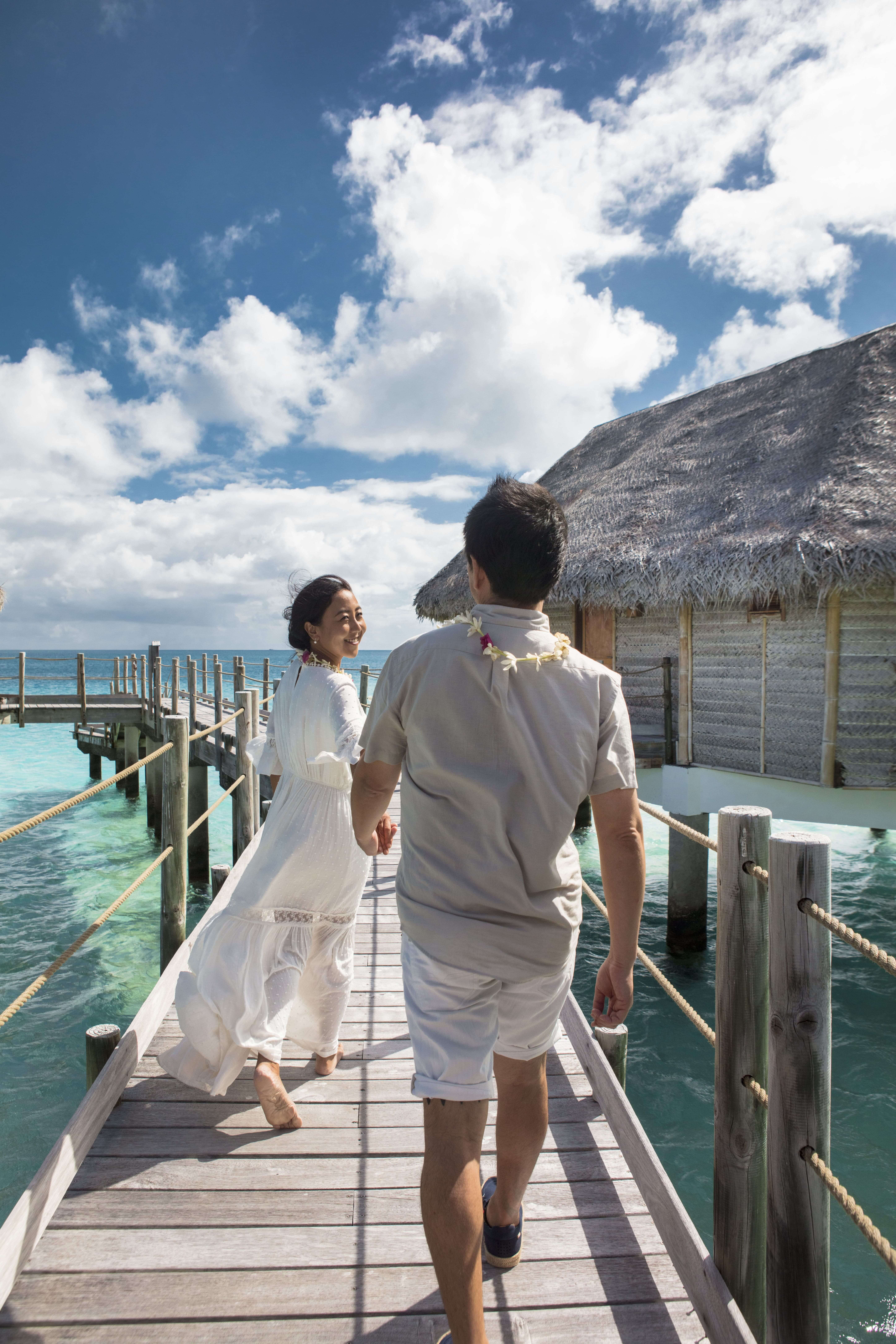
- Overwater is not everywhere: French Polynesia has it in quantity; in Fiji exactly one resort has it, with ten bures
- Adults-only is a Fiji strength: three of the properties we book most are 16, 17 or 18 plus
- Room counts are small: the properties here run from twenty-two bures to just over a hundred rooms
- The transfer is part of the choice: a resort’s boat or flight time shapes your first and last day more than its pool does
- How far ahead to plan: ten to twelve months for the dry season, and longer for a specific overwater villa
Overwater Bungalows: Where They Actually Are
The overwater bungalow was invented here, by three American expatriates over the lagoon at Raiatea in 1967. French Polynesia now has hundreds.
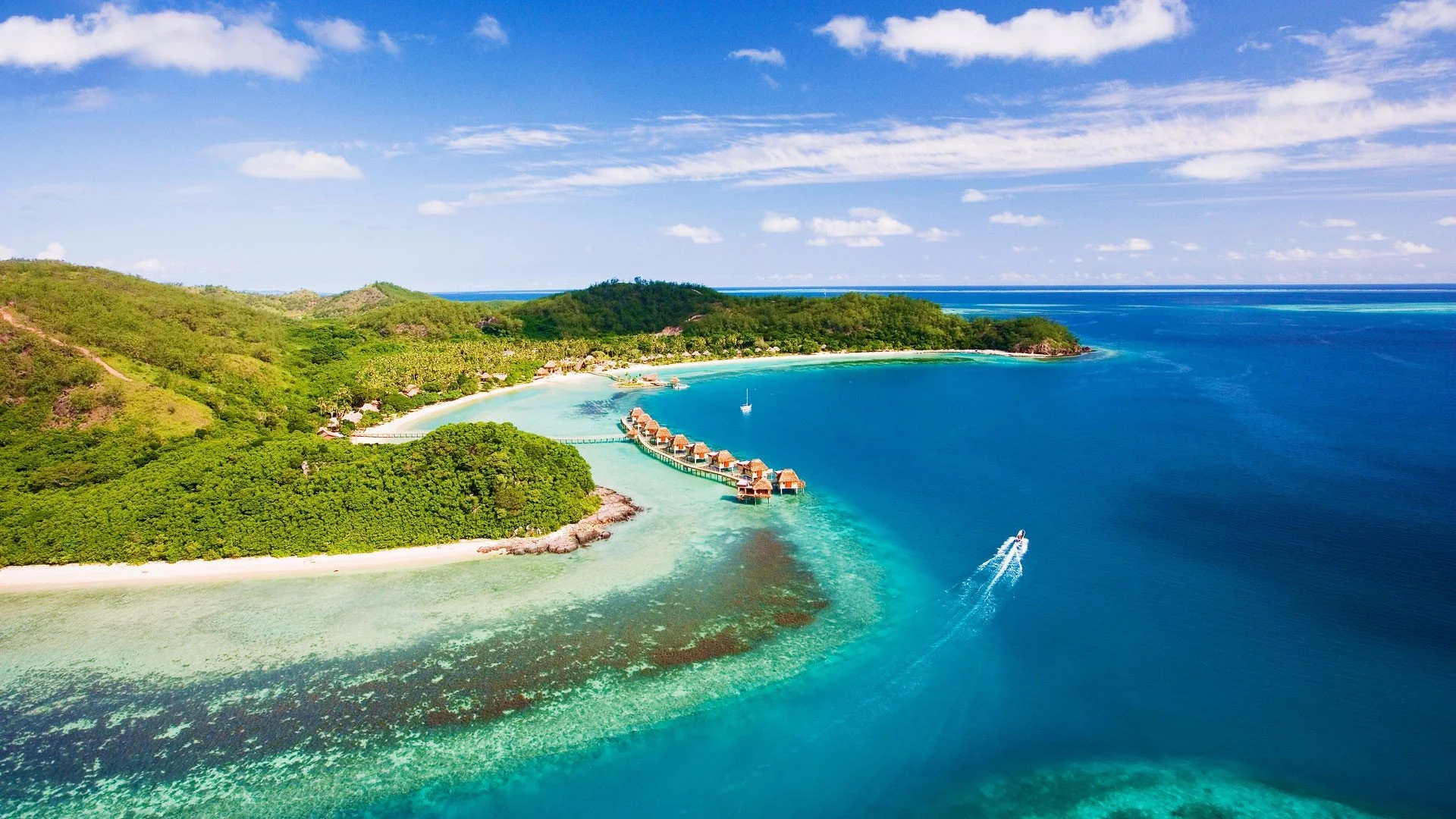
That is French Polynesia. Fiji is a different story, and it is worth being clear about: Likuliku Lagoon Resort is the only Fijian property with genuine overwater bures, and it has ten of them among forty-five in total. If a Fijian overwater villa is the picture in your head, that is the property, and it books out a long way ahead.
In French Polynesia the choice is wider. The St. Regis on Bora Bora has overwater villas starting at fifteen hundred square feet, on seventeen hectares with its own lagoonarium and a spa on a private island. Le Bora Bora by Pearl Resorts sits on Motu Tevairoa with a hundred and eight rooms and villas, holds two Michelin Keys and belongs to Relais & Châteaux.
Fiji Does Adults-Only Better Than Anywhere in the Region
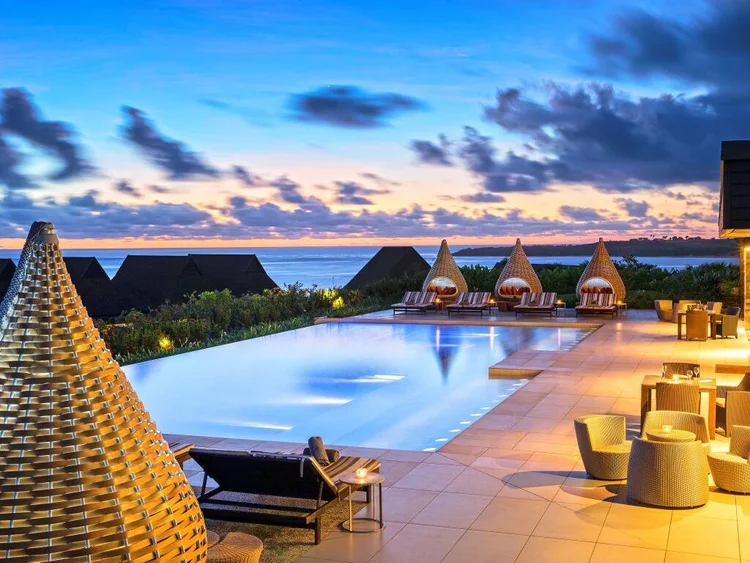
This is Fiji’s real advantage and it is under-advertised. Three of the properties we book most are adults-only, and they are adults-only properly rather than as a marketing line.
Likuliku takes guests seventeen and over, with a maximum of two to a room, and sits inside a protected marine sanctuary. Tokoriki in the Mamanucas has thirty-six freestanding bures and villas, caps the resort at seventy-two guests, takes sixteen and over, and runs a five-star PADI dive operation — fifteen minutes from Nadi by helicopter. Namale, on Vanua Levu near Savusavu, has twenty-two bures and villas across five hundred and twenty-five acres, takes eighteen and over, and its cliff-top spa runs to ten thousand square feet above the Koro Sea.
None of the French Polynesian properties we work with is adults-only. If that is the requirement, the answer is Fiji.
Where Families Should Actually Stay
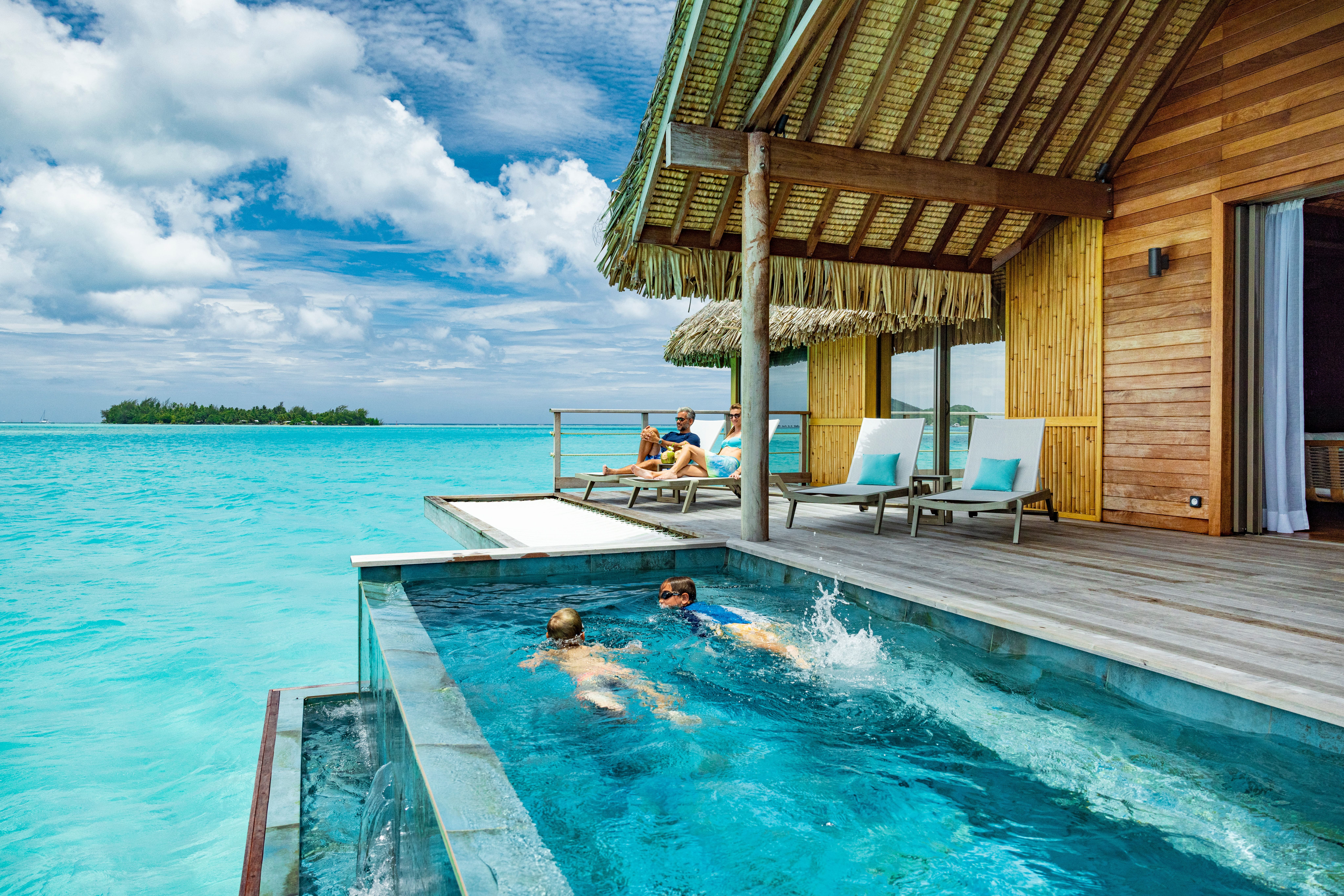
The same logic runs the other way. Castaway Island in the Mamanucas has sixty-five freestanding bures, a kids’ club, and a guided excursion to Modriki — the island from the film — which children find far more exciting than adults expect.
Vomo is the other one, a two-hundred-and-fifty-five acre private island with a nine-hole par-three course, run all-inclusive. It manages the trick of being a family resort with an adults-only pool, which solves an argument before it starts.
In French Polynesia, Moorea is the family island rather than Bora Bora — closer, cheaper, easier to reach and far more to do on land.
Taha'a and Moorea Are the Two Most Underrated Islands
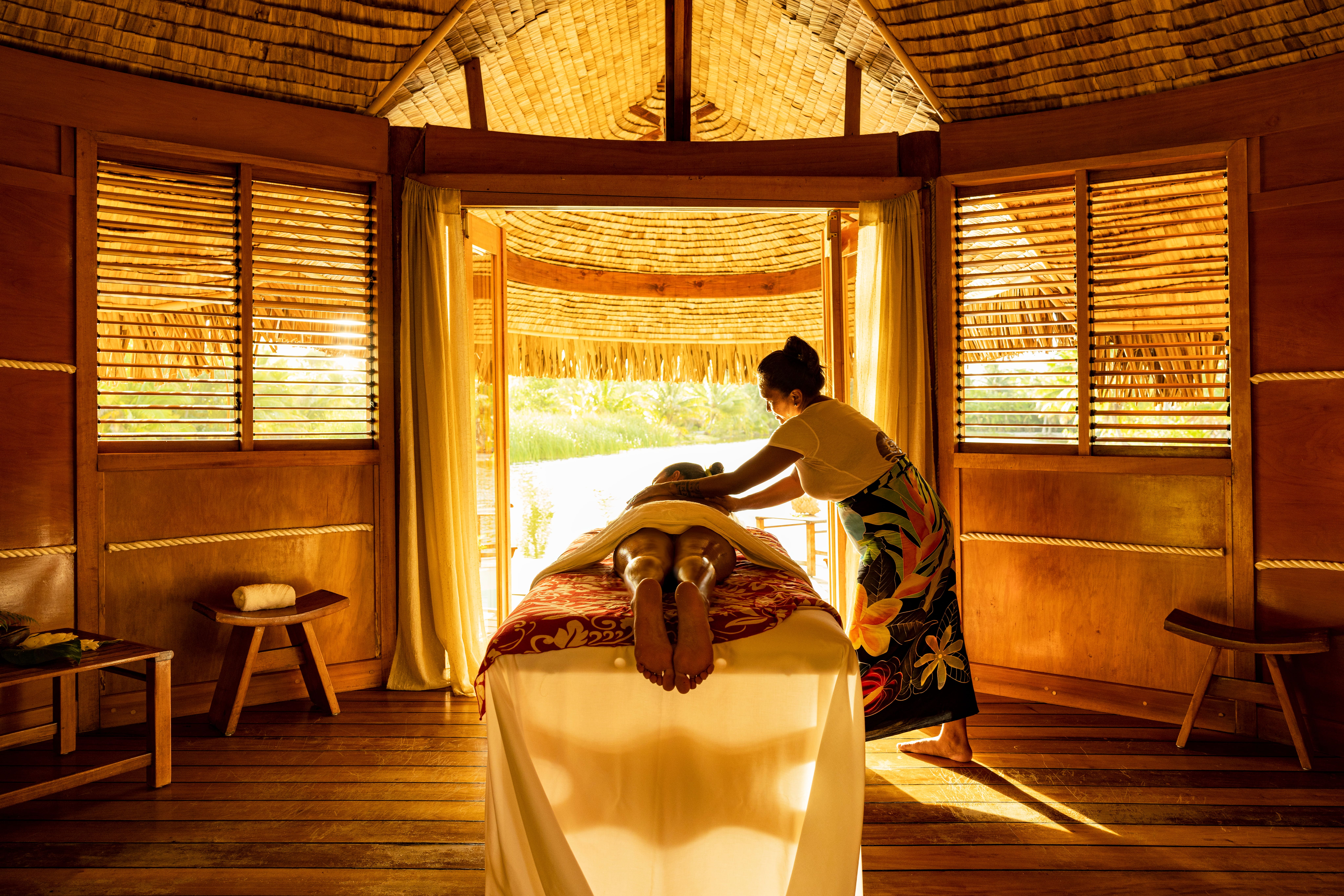
Le Taha’a by Pearl Resorts sits on Motu Tautau with fifty-nine suites and villas, and was the first Relais & Châteaux property in French Polynesia. It faces Bora Bora across the water, which means you get the view of the famous island without staying on it — and the coral garden drift snorkel is off its own motu.
Moorea has two properties we use regularly. The Hilton Moorea Lagoon Resort holds the only overwater restaurant on the island. The Sofitel Kia Ora Moorea Beach Resort has a hundred and nine villas, reopened in April 2026 after a renovation of its public areas, and sits five minutes from Temae airport.
Both cost less than Bora Bora and neither feels like a compromise.
The Transfer Decides More Than the Brochure Does
This is the part that separates a smooth island trip from a frustrating one, and it is almost never in the resort photography.
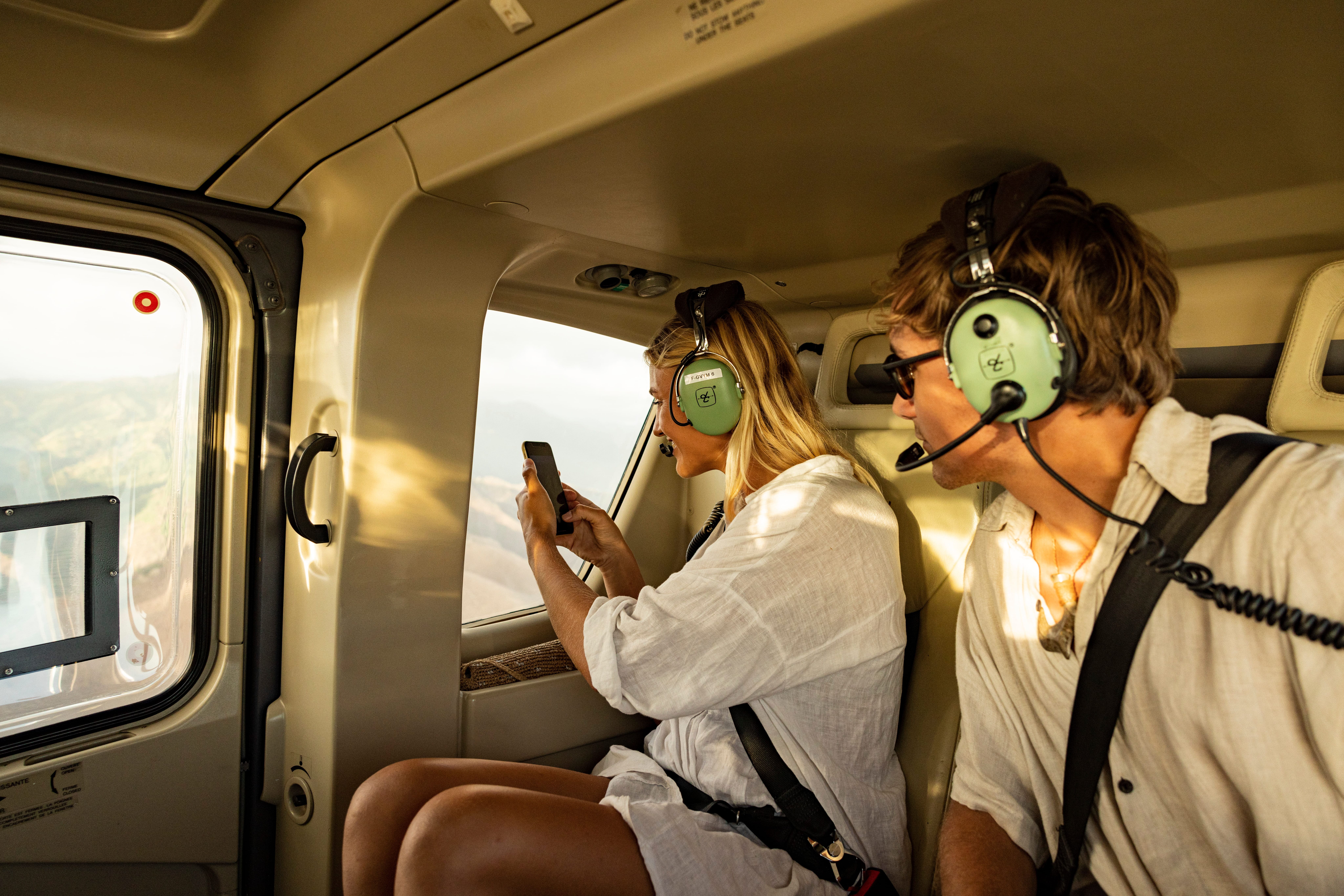
In Fiji, boats to the Yasawas run once a day from Port Denarau, leaving before nine in the morning — miss it and you lose a day. Seaplanes take about fifteen minutes to the Mamanucas and thirty-three to the Yasawas. Helicopters run daylight hours only and to two scheduled departures, at ten and two. A late international arrival simply cannot connect onward by air the same day.
In French Polynesia, Bora Bora’s airport is on its own motu, and the resort boat leg — not the flight — sets your departure morning. Taha’a has no airport at all, so it is always a flight to Raiatea plus around thirty minutes by boat.
We build the transfers first and the itinerary around them, which is why our island trips tend to have fewer islands in them than people initially ask for.
Frequently Asked Questions About South Pacific Accommodation
Does Fiji have overwater bungalows?
One resort does. Likuliku Lagoon Resort has ten overwater bures among forty-five in total, and it is the only property in Fiji with genuine overwater accommodation. Everywhere else in Fiji is beachfront, which is often better value and, for families, considerably more practical.
Bora Bora, Moorea or Taha'a?
Bora Bora for the lagoon and the name, at the top of the price range. Moorea for accessibility — thirty minutes by ferry from Papeete, plenty to do on land, and far gentler on the budget. Taha’a for seclusion, if two travel legs to reach somewhere is a feature rather than a problem. Many of our couples pair Moorea with one of the other two.
How far in advance should we book?
Ten to twelve months for the May-to-October dry season. Longer if you want a specific overwater villa category, because those are the scarcest rooms in the region and the good ones go first.
Are these resorts all-inclusive?
Some are, some are not, and it varies more than in most destinations. Vomo runs all-inclusive; others are room-only or half board. On a remote island where there is nowhere else to eat, the dining plan matters — we settle it before you book.
Can we combine Fiji and French Polynesia in one trip?
You can, but they are a long way apart and the routing usually goes through Auckland. For most travellers we would rather build one properly, or pair either with Australia or New Zealand, than split a fortnight across both.